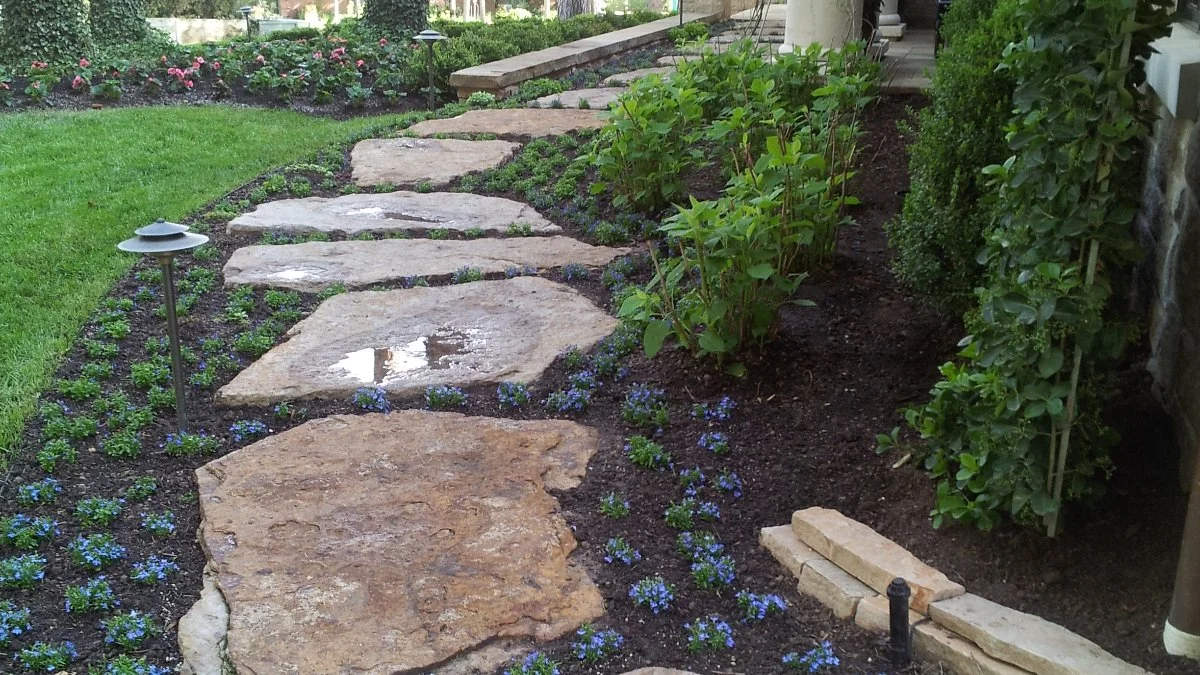
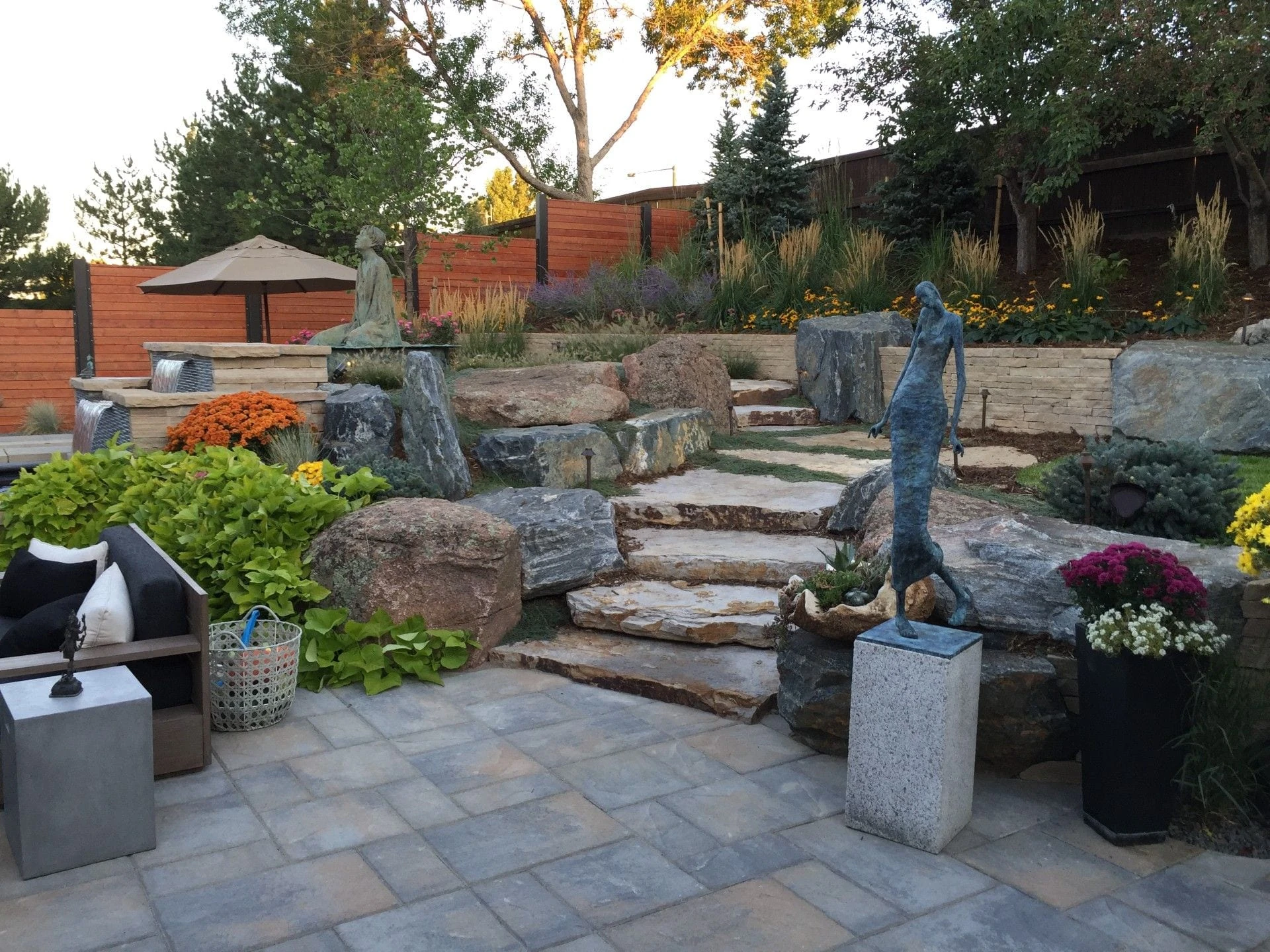
If you are thinking about repairing shifting hardscape, there is probably a practical reason behind it. Something may not be working the way you expect, or you may be planning ahead before a repair, renovation, seasonal change, or busy period. Front Range temperature swings can repeatedly move water through joints and base materials during winter. The most helpful place to begin is with what you want the finished result to do for your property, then look at the details that can affect that result.
Landscape decisions work best when the whole site is considered. Looking at base condition, drainage, and edge restraint helps explain how water, movement, plants, and built features interact in this part of the property. The goal is not simply to make the area look good on installation day. It should remain practical to use and maintain as the seasons and plantings change.
What to Look At First

It is also worth discussing joint condition, downspouts, and snowmelt. These details influence how the area handles weather, how easily crews can maintain it, and whether nearby plants or hardscape are likely to create conflicts later. They do not all require a change. Sometimes the best decision is simply to protect a condition that is already working well.
A tempting first answer is resetting surface units while water continues to enter or collect below them. The problem is not that this is always wrong. It is that the answer can be incomplete when the surrounding setup tells a different story. A little context makes it easier to keep a focused job focused and recognize when another detail truly changes the plan.
Walk the area at more than one time of day and after rain if possible. Photos of wet spots, shade, traffic patterns, or seasonal changes are often useful. You do not need a formal report. A few clear notes or photos related to base condition, drainage, and edge restraint can make the first conversation far more useful.
Timing may influence what can be seen during the property visit. Weather, occupancy, seasonal use, or recent work can temporarily hide or exaggerate a condition. If the concern comes and goes, a dated photo or a short note about when it appears can help. That is especially useful for repairing shifting hardscape, because the most informative condition may not be active when the appointment begins. When reviewing repairing shifting hardscape, keep any follow-up tied to a clear change involving snowmelt.
The main decision is whether selective reset, drainage correction, edge repair, or broader reconstruction is warranted. A helpful recommendation should explain that choice in terms you can use: what will change, what will remain the same, how the work may affect your day, and what kind of maintenance or follow-up to expect. If two options are presented, the difference should be more meaningful than a basic-versus-premium label. You should be able to see what each option is intended to accomplish.
Getting a Clear Answer
It is reasonable to ask which detail matters most. The answer may be base condition, or it may be the connection between drainage and edge restraint. You can also ask whether snowmelt belongs in the current work or is simply something to keep in mind for the future.
It is equally important to know what does not need to change. The review may confirm that part of the landscape can remain as it is or that a nearby condition is unrelated. That is useful information. A good visit should narrow the concern and keep the recommendation proportional rather than turning every observation into another service or upgrade.
We want the conversation about repairing shifting hardscape to end with a clear next step, not a vague warning or an oversized list of possibilities. That means focusing on the conditions that affect the result, explaining any reasonable alternatives, and being honest about anything the first property visit cannot settle. You should know what the work is meant to accomplish before deciding.
Helpful advice about repairing shifting hardscape should leave you with fewer questions, not a longer list of things to worry about. By keeping the discussion tied to your property, your priorities, and the conditions that are actually present, we can recommend a next step that feels practical rather than generic.