Estate Management Is More Than Mowing a Large Denver Property
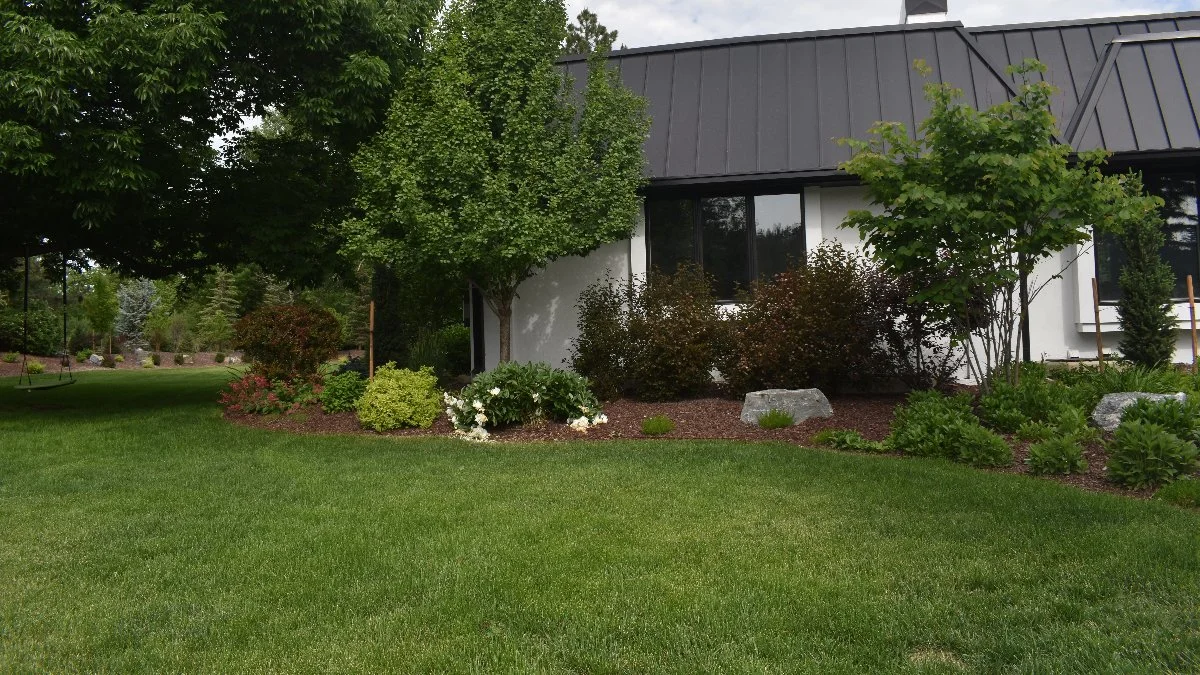
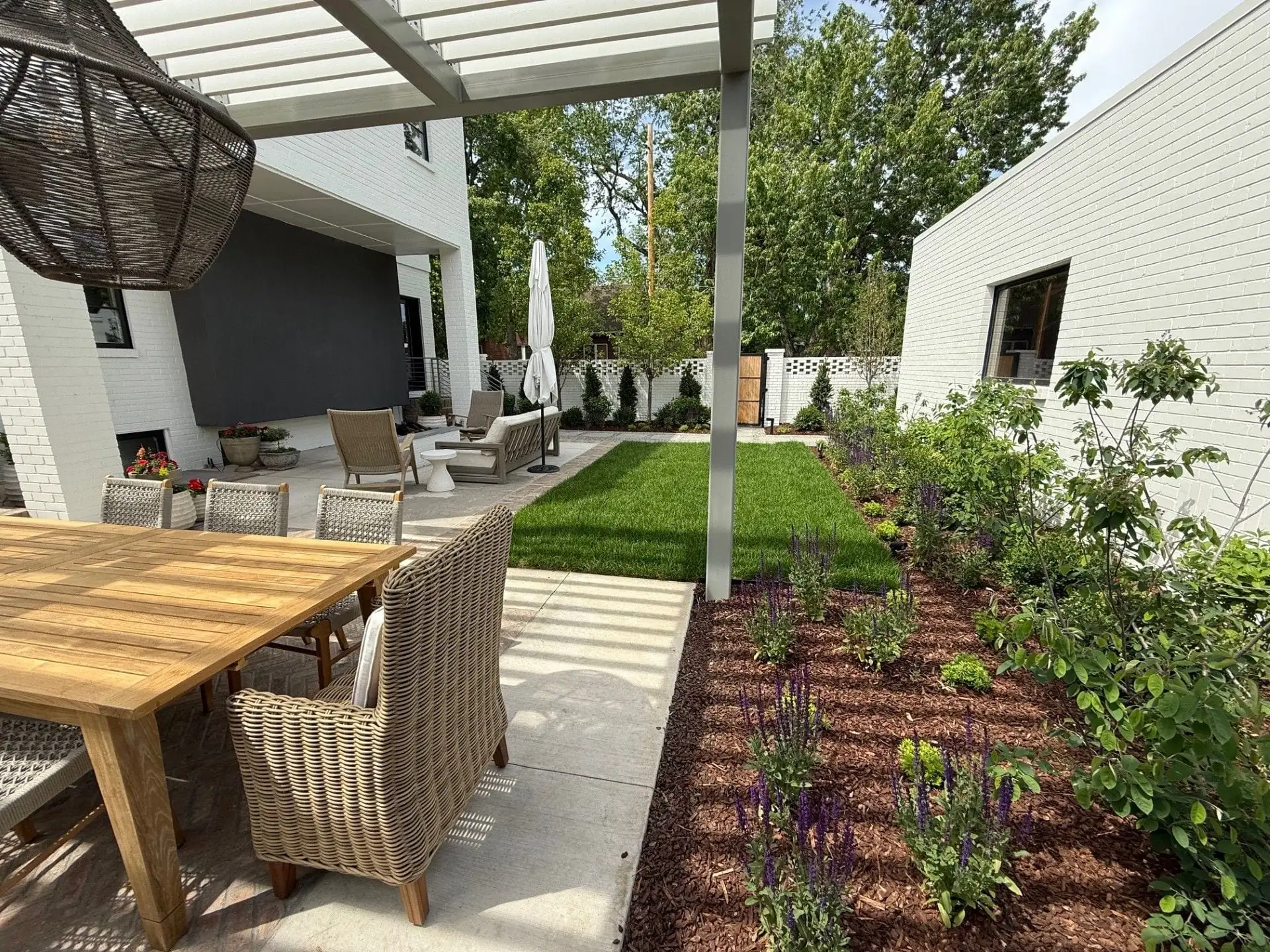
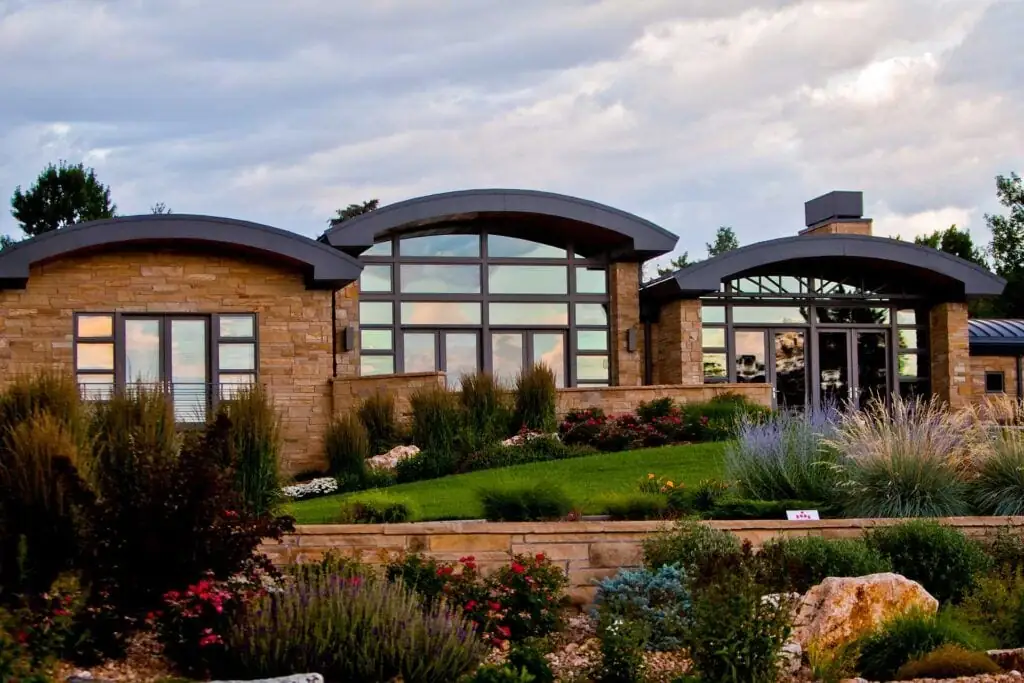
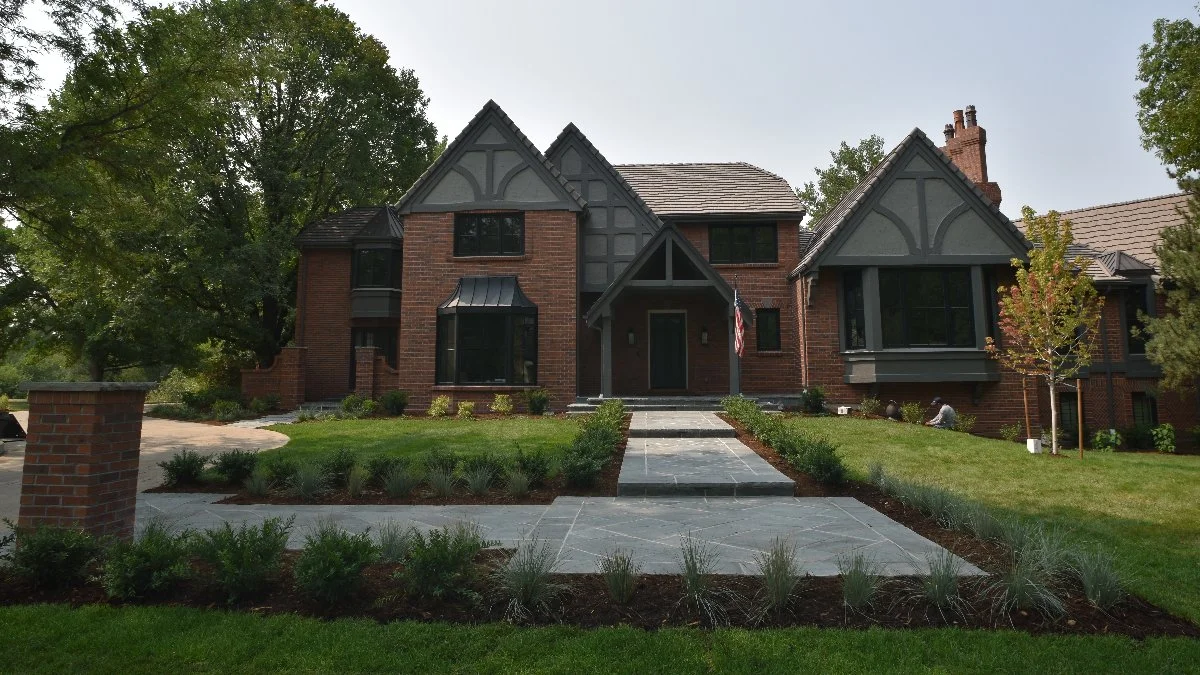
Estate management coordinates lawns, beds, trees, irrigation, outdoor living, and seasonal work on large Denver properties. Mowing is only one task inside that plan.
Tips, trends, and expert advice for your outdoor spaces
Stay informed with the latest landscaping tips, seasonal advice, and industry insights from the experts at Weston Landscape & Design.
Estate management coordinates lawns, beds, trees, irrigation, outdoor living, and seasonal work on large Denver properties. Mowing is only one task inside that plan.
Use a 2D plan when layout and dimensions are stuck. Use 3D when height, scale, and appearance block agreement. Weston helps Denver clients match the drawing to the decision.
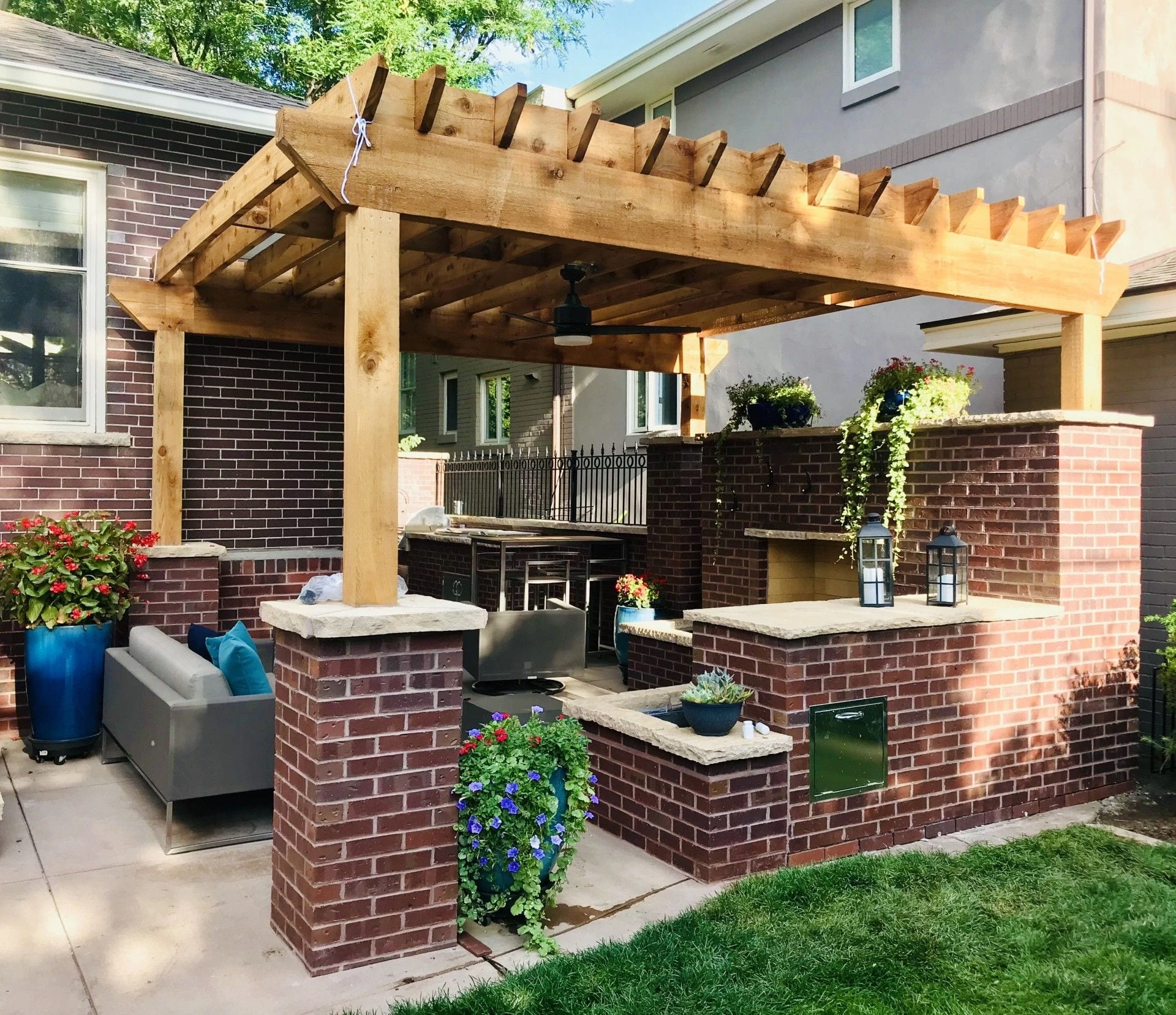
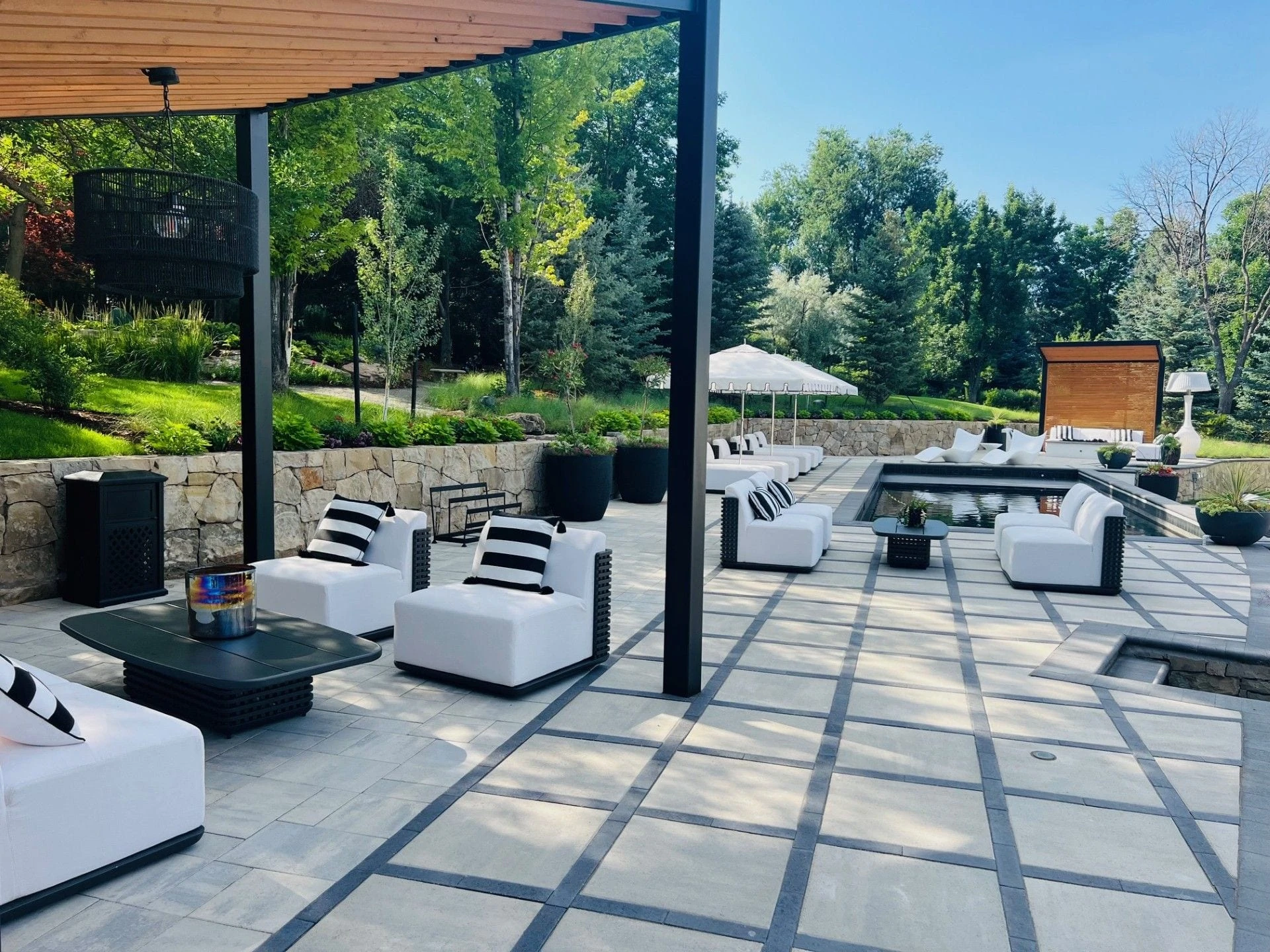
Weston builds custom pergolas, pavilions, and gazebos. The decision should follow rain protection, shade, furniture, cooking, views, utilities, architecture, and how the structure connects to the patio.
Artificial turf can reduce mowing in a selected area, but drainage, trees, beds, irrigation, snow, pets, hardscape, and remaining lawn still need a connected property plan.
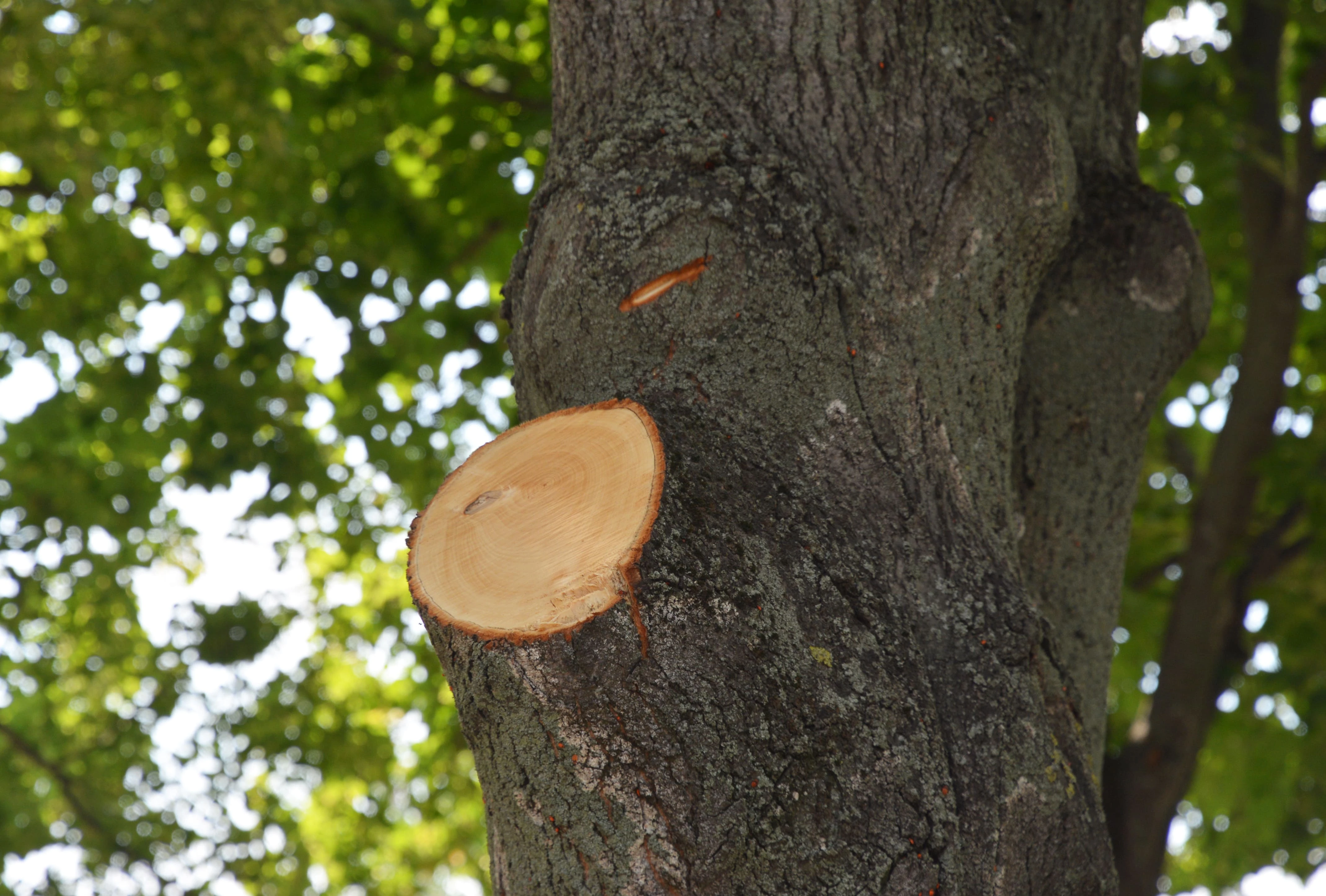
We separate pruning and removal work from fertilization, insect control, and disease treatment. See why a Denver tree may need one team, the other, or both.
We create both 2D and 3D landscape plans for Denver-area projects. See where 3D helps most with patios, kitchens, walls, planting, and larger backyard changes.
West sun and heat bouncing off fences, walls, and driveways cooks one strip while shaded turf a few feet away stays fine. Sort exposure before you raise every zone this dry summer.
Practical lawn, irrigation, and bed checks for Lakewood and west metro yards this dry summer, including Denver Water Stage 1 assigned days and cool-hour timing.
Roof leaders that dump on Front Range clay soak one ribbon while open turf stays thirsty. Fix the path before you raise sprinkler minutes this dry summer.
Four questions sort dry-summer yard symptoms into drainage, irrigation repair, lawn program, or mosquito control first.
Coming home this dry summer often means dry strips that missed assigned watering days, soggy shade from overwatering, and mower marks you did not plan. Walk the yard before you change the controller.
South and west walls bake foundation plantings while lawn may still look fine. Learn what plant stress looks like, and how drip, mulch, and plant care programs help on the Front Range.
Guests notice beds, mulch moisture, and dry pots before they study the center lawn. A light prep list for shrubs, seasonal color, and tidy edges on Front Range properties this dry summer.
Open west berm faces brown before tree shade and fence lines look stressed. Separate missed watering-day coverage, fungus, and grub damage on berm lots.
Sitters need your assigned watering days, cool-hour notes, and photos of dry spots. Leave clear instructions so irrigation is not wasted while you travel this dry summer.
Reflected heat off south and west walls punishes the wrong plants. Choose shrubs, perennials, drip, and mulch so foundation beds get water where roots can use it.
Clay soil, mature trees, and tight side yards share one controller under drought rules. Make assigned watering days count with coverage, cycle soak, and honest zone walks in Highlands Ranch.
Classes ending shifts foot traffic and evening seating onto drought-stressed strips. Pace outdoor comfort without wasting assigned watering days.
Not sure whether to fix sprinklers, turf, beds, or outdoor living first? Answer three quick questions about what you see on your Denver metro lot and get a Weston starting priority for irrigation, lawn care, garden maintenance, or patio comfort.
When Front Range afternoons stay in the eighties, lawns along walks and patios often dry out before the center turf shows stress. How to walk your zones, adjust the controller zone by zone, and know when to call for help.
Memorial weekend is when south-facing lawn strips fail in photos while shady turf looks fine. A practical checklist for zone walks, controller adjustments, and scheduling help before June heat.
South-facing garage walls and patio returns dry narrow lawn strips while center turf still looks green from the driveway. How to audit coverage, adjust heads, and prepare for Memorial weekend guests.
One irrigation valve often feeds both a shaded north lawn and a south wall strip that bakes by noon. How to split zones mentally, use cycle-soak, and plan repairs before peak summer.
Low-voltage lighting and sprinklers often share side-yard trenches on Denver lots. How to walk wire paths, verify pressure, and coordinate visits before guest week.
Front Range May still throws cool nights against warm patio afternoons. How that temperature swing affects mowing, watering, and the first weeks guests judge your grass.
Guest week checklist for Denver metro landscapes: irrigation checks, high-traffic turf, mulch refresh, and hardscape safety before Memorial gatherings.
Memorial weekends add chair legs and cookout paths on Front Range lawns when sprinklers are still earning trust. Read wear honestly and know what to fix before and after guests.
Tight Denver lots need clear paths before new color and stone arrive. Line up irrigation fixes, lawn programs, and hardscape timing in April instead of a June rush.
South-facing walls and fences reflect heat onto narrow lawn strips in April. Adjust heads, split zones mentally, and pair mulch with irrigation checks before May traffic.
April along the Front Range still mixes thaw, frost, and first foot traffic. Learn when to move on irrigation, raking, and lawn visits without compacting wet soil.
The calendar flips to April but nights around Denver can still flirt with frost. This guide walks through a calm early April sequence for beds, mulch, light lawn work, and scheduling professional help so you support growth without jumping the season.
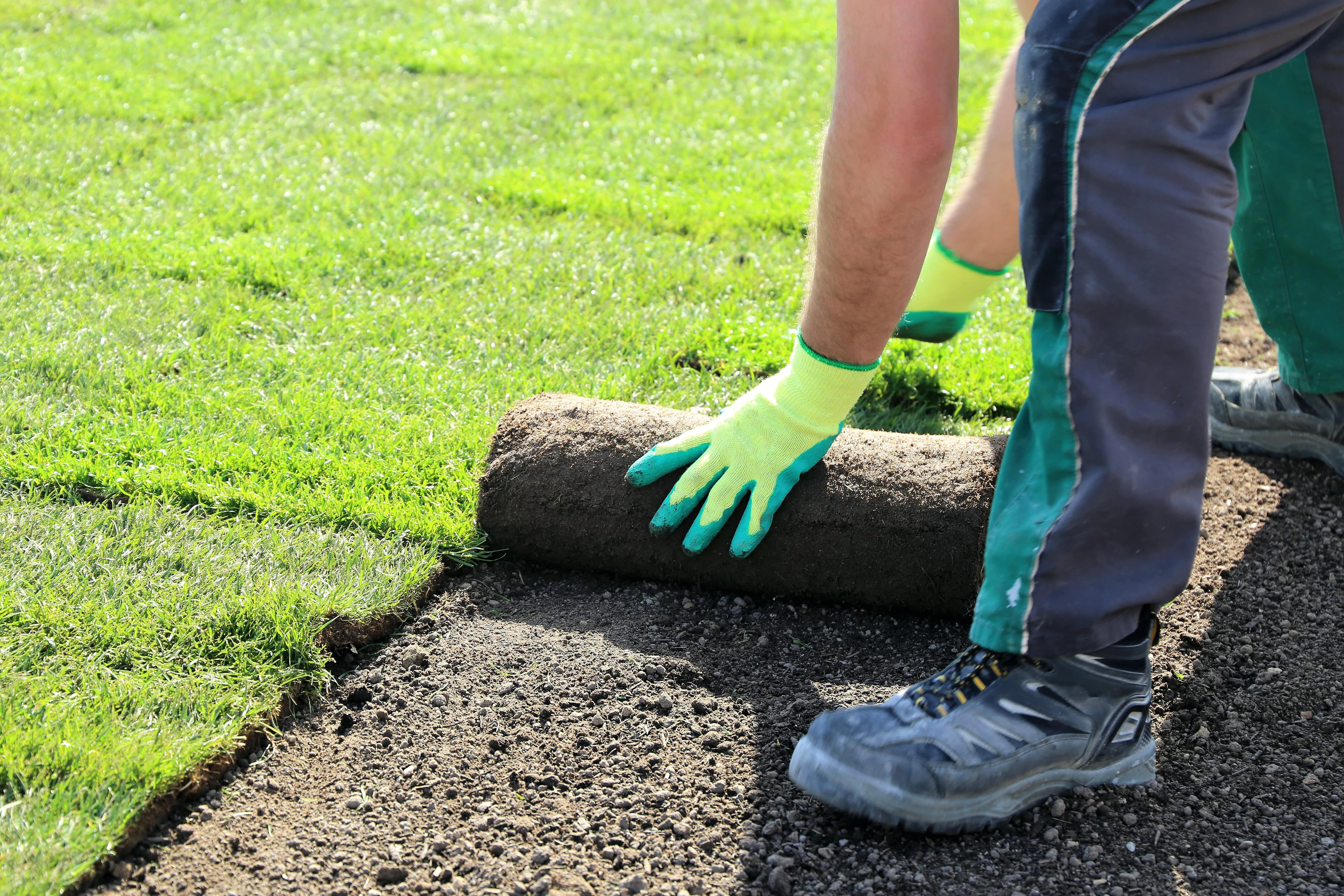
Bare patches after winter, pet wear, or a new walk route can leave you wondering whether to roll out sod or work with seed. This article compares both paths for cool season lawns around Denver, including timing, watering habits, soil prep, and how each choice fits common goals without turning the decision into a guessing game.
You want the backyard to feel finished, but the first step is not always obvious. Answer three questions about hosting, cooking outside, sun, and how the space feels today. We will point you toward the outdoor living or design path that usually lines up with that story, with links to services we already offer across the Denver area.
March and April are when Colorado homeowners start thinking about green grass again but nights can still freeze. This guide walks through how a professional irrigation startup fits your spring timeline, what we inspect zone by zone, and how reliable water supports fertilization and a healthy lawn all summer.
Before guests and buyers see your front door, they see edges, walks, mulch, and how the lawn meets the pavement. Here is a practical spring checklist for Denver-area homes what to fix yourself, what to schedule, and how it ties to the maintenance and design services we offer.
Not sure where to start? Answer three quick questions about your lawn bare spots, weeds, water, or mystery damage and we will point you toward the Weston service that usually lines up with those symptoms. This is a simple matching tool, not a site visit; call us when you want a pro on your grass.
Raccoons flipping sod, grass that lifts like a mat, and dead spots that grow fast can all point to grubs eating roots under your Englewood or Sheridan lawn. Here is how to tell grubs apart from drought or disease, what happens through a Colorado summer, and when professional grub control belongs in the plan.
Store bought flats look perfect until July sun and dry wind hit. Here is how to plan annual flower beds around Denver, Highlands Ranch, and southeast Boulder so color holds up, water use stays reasonable, and you are not replanting every few weeks.
A few sunny days in March can trick roses, perennials, and fresh annuals into soft new growth, then a hard freeze rolls back in. Here is how homeowners in Lakewood, Centennial, and across the Denver metro can cover plants, hold off on pruning, and avoid the worst damage without turning the yard into a science project.
Late spring is the time to set up your Front Range yard for the hot months ahead. From mowing and watering to beds and borders, here is a practical checklist so your lawn and garden look good and stay healthy all summer.
Pruning at the right time keeps Front Range trees and shrubs healthy and shapely. Learn when to cut back flowering shrubs, evergreens, and shade trees and how to avoid common mistakes that can weaken or damage plants.
Standing water and soggy spots are common on the Front Range. Learn where the water is coming from, how to move it away from your home, and when to call in a pro so your yard stays dry and your foundation stays safe.
You do not need harsh chemicals to make your Denver yard less inviting to pests. Learn easy, practical steps to reduce standing water, trim hiding spots, and work with nature so your outdoor space stays comfortable for you and less so for bugs and rodents.
Mulch keeps soil moist, cuts down weeds, and protects plant roots on the Front Range. Learn which types work best in Denver area gardens, how deep to spread it, and when to refresh it for the best results.
Denver area lawns need the right amount of water at the right time. Learn when to turn on your sprinklers, how much water to give your grass, and how to work with local watering rules so your lawn stays healthy without wasting water.
An outdoor kitchen can turn your backyard into the best room in the house. Learn how to choose materials, layout your cooking and dining areas, and build a setup that holds up through Denver freeze thaw cycles.
Denver area yards need steady watering without waste. Learn how to start up your sprinklers, fix common problems, and use drip irrigation so your lawn and plants get the right amount of water all season.
Heavy clay and alkaline soil are common on the Front Range, and they can hold your lawn back. Learn simple steps like aeration, sulfur treatments, and fertilization to get your soil ready before spring growth kicks in.
You can have a beautiful yard that uses less water. Learn how xeriscaping, native plants, and drip irrigation work together to create a Front Range garden that thrives in our dry climate.
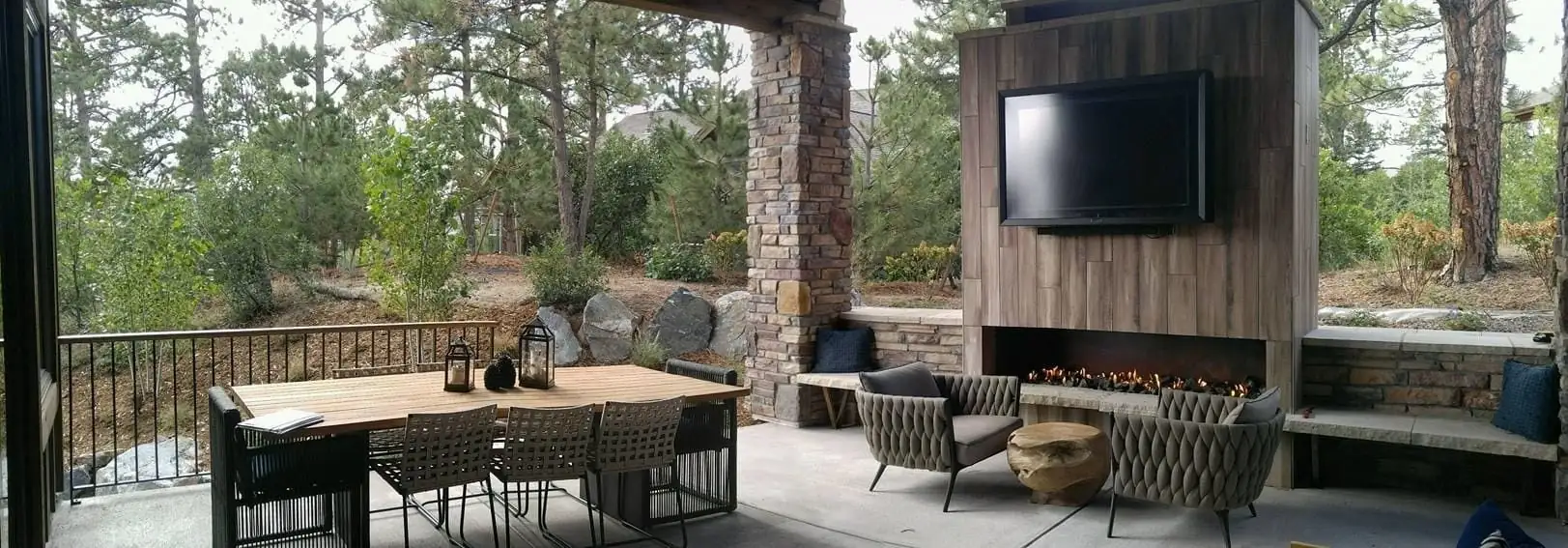
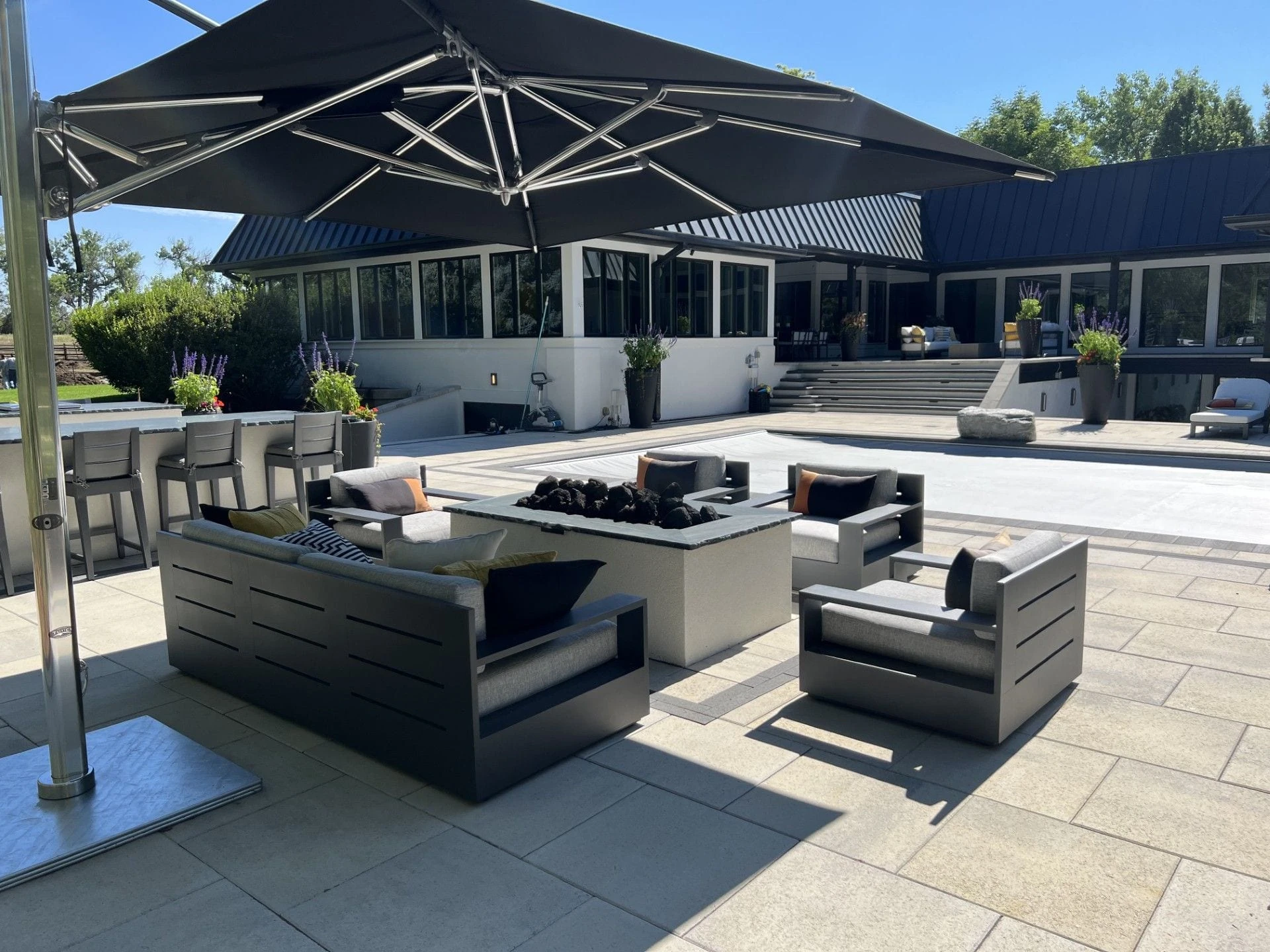
A great backyard has distinct spots for cooking, eating, and relaxing. Learn how to plan outdoor living areas with kitchens, fire pits, and patios that work together for everyday life and entertaining.
A well built patio handles Colorado freeze thaw cycles for decades. Learn what goes into proper base prep, drainage, stone selection, and how retaining walls and walkways complete the project.
As the snow melts and temperatures rise, it's time to prepare your landscape for the growing season. Follow our full spring checklist to ensure your yard looks its best.
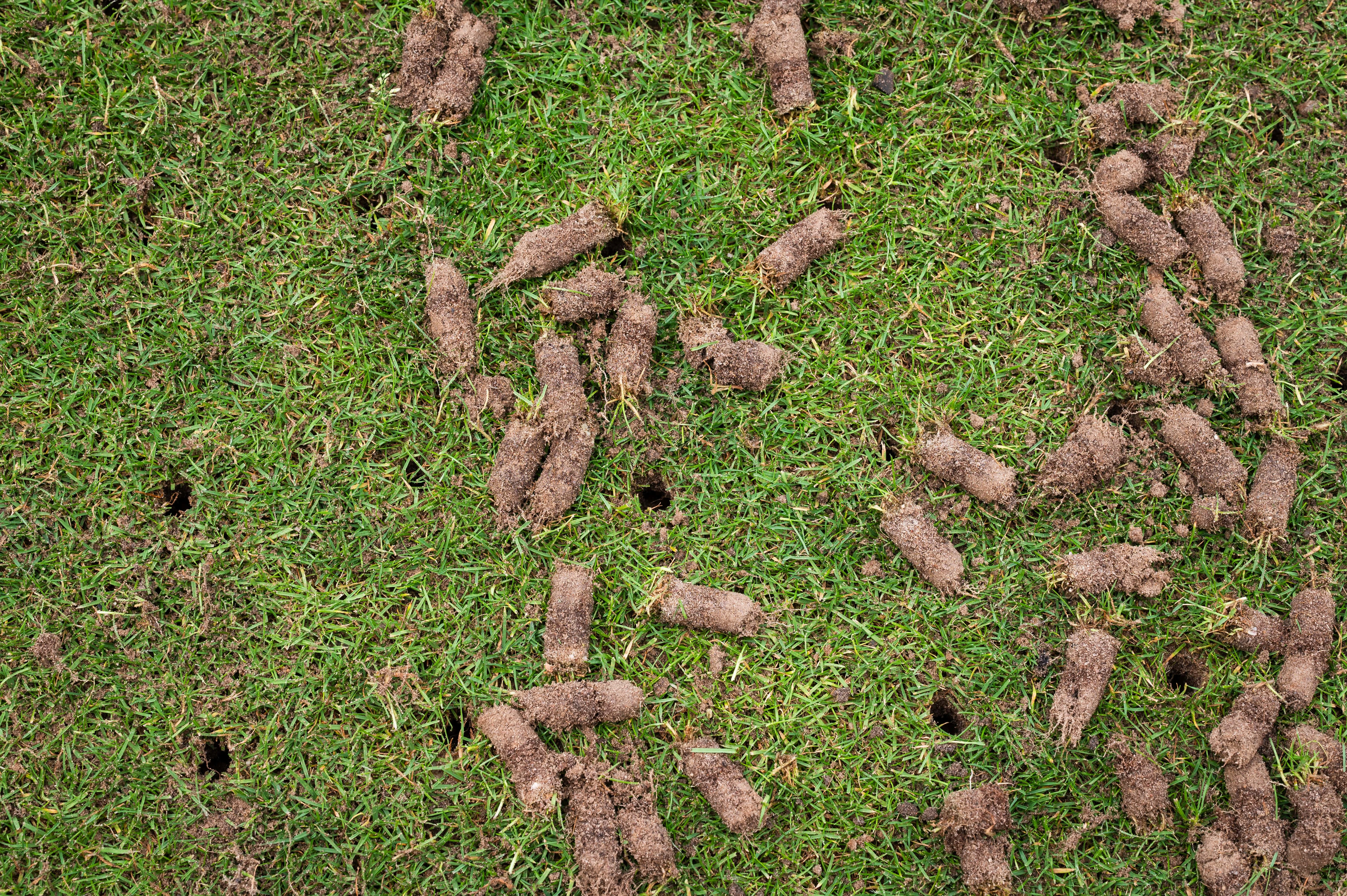
Aerate your lawn in Colorado twice a year, once in the spring and once in the fall, to ensure it can access essential nutrients during the growing season.
When applying fertilizer treatment in the spring, make sure you avoid putting it down when the ground is still frozen and instead wait for your grass to green up!
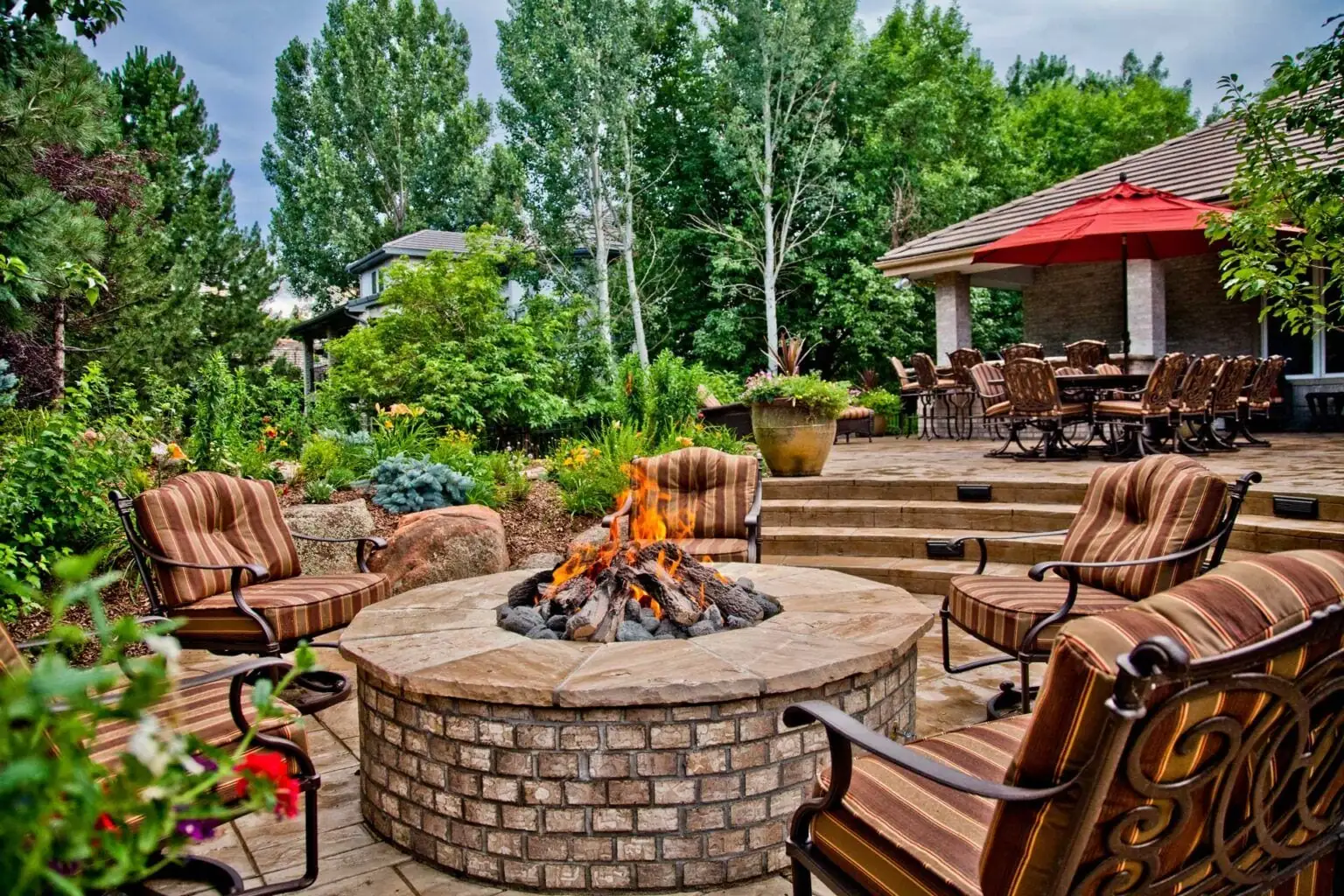
Transform your backyard into a cozy gathering space with a custom fire pit. Explore design ideas and considerations for creating the perfect outdoor entertaining area.
Proper watering is crucial for a healthy landscape. Learn the best practices for irrigation timing, duration, and frequency to keep your lawn and plants thriving.
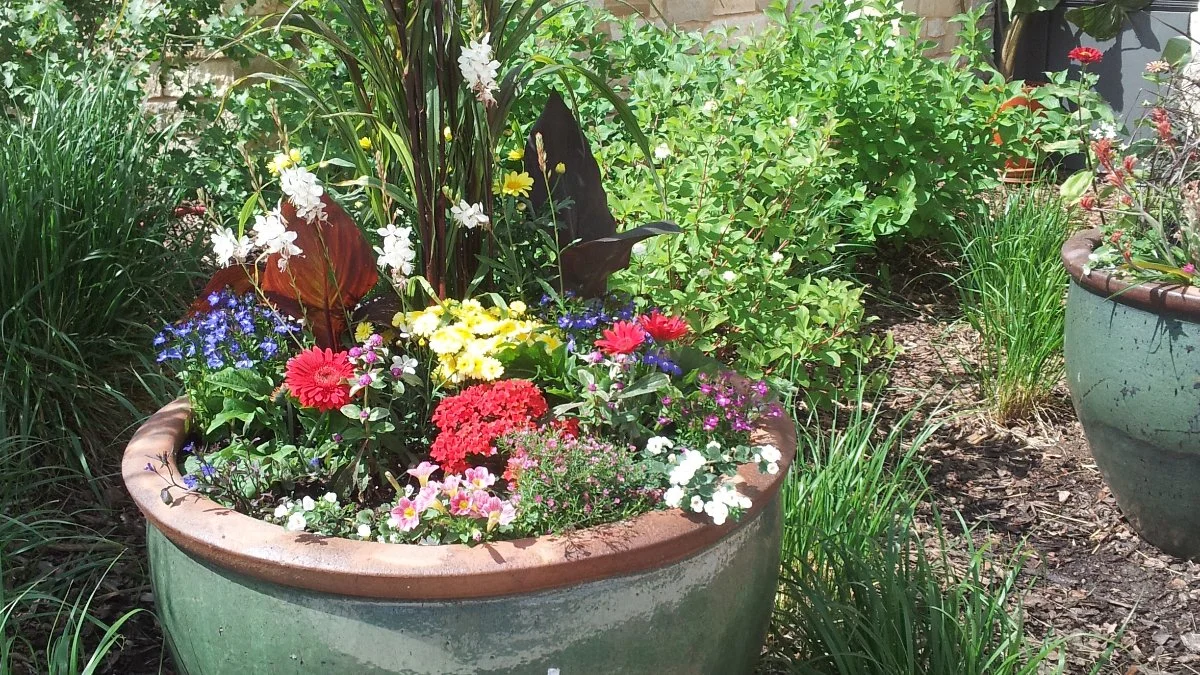
Discover beautiful, hardy plants that thrive in Colorado's unique climate while requiring minimal care. Perfect for busy homeowners who want a stunning landscape.
Winter in Colorado means snow management is essential. Learn professional tips for safe, effective snow removal that protects your property and keeps pathways clear.
A healthy, beautiful lawn doesn't happen by accident. Discover why professional lawn care services deliver better results than DIY approaches.
Let's discuss how we can bring your outdoor vision to life.