Cooking outside on a warm evening is one of the best parts of living in Colorado. An outdoor kitchen lets you grill, prep, and serve without running in and out of the house. But our climate is tough on outdoor builds. Big temperature swings, intense sun, hail, and winter freezes all take a toll on countertops, cabinets, and stone work. Planning ahead with the right materials and layout saves money and disappointment down the road.
Weston Landscape & Design designs and builds outdoor kitchens across the Denver metro. Here is what we tell homeowners who want a cooking space that looks great and lasts.
Start With a Solid Patio Base
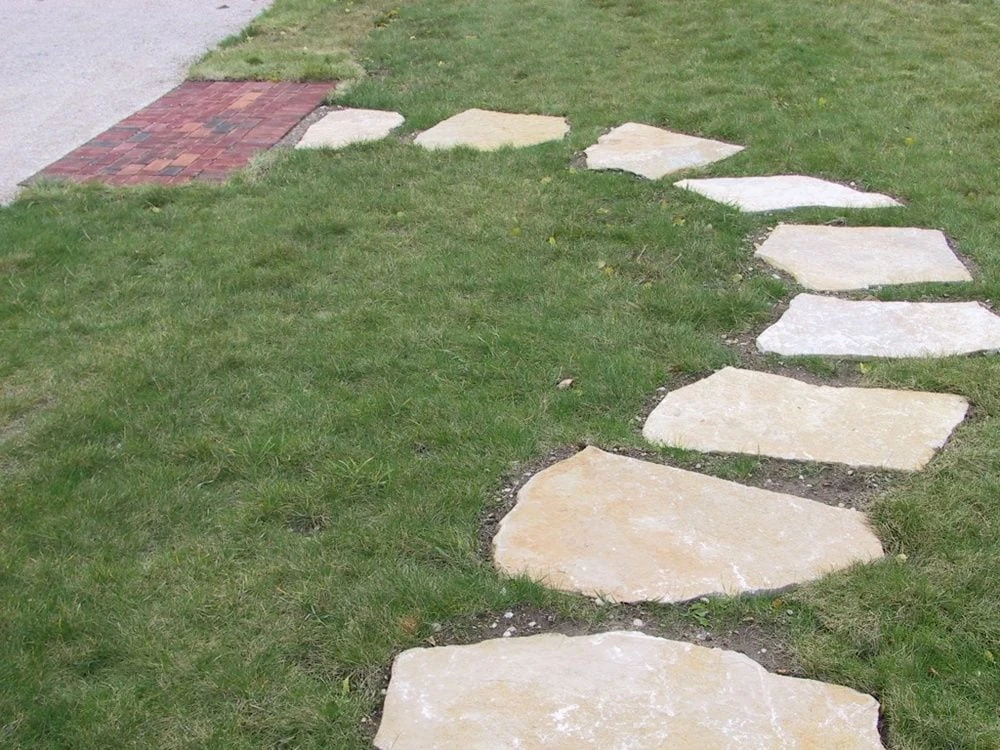
Your outdoor kitchen sits on top of your patio, so the base matters as much as the appliances. A proper patio starts with compacted gravel and sand, correct slope for drainage, and stone or pavers rated for freeze thaw cycles. Water should drain away from the house and away from cabinet bases. Skip this step and you risk settling, uneven counters, and cracked stone within a few seasons.
Choose Materials Built for the Front Range
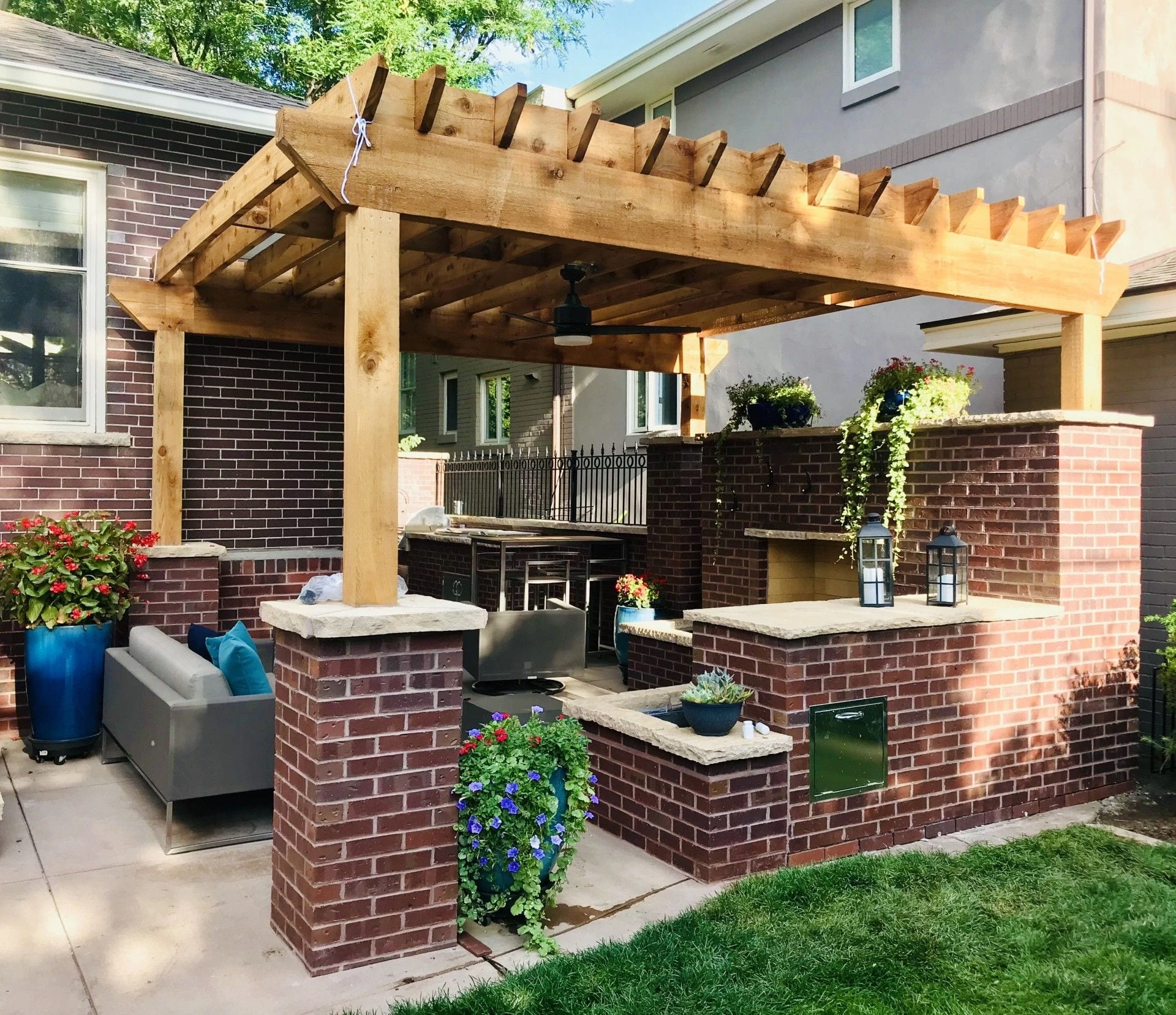
Not every countertop or cabinet material belongs outdoors in Colorado. Granite and concrete countertops hold up well when sealed properly. Avoid porous stone that soaks up water and cracks when it freezes. Cabinet frames should be built from weather resistant materials, not standard indoor plywood. Stainless steel doors and hardware resist rust and clean up easily after a season of grilling.
Layout Tips That Make Cooking Outside Easier
Think about how you actually cook. Put the grill where smoke blows away from the house and seating area. Leave counter space on both sides of the grill for plates and tools. Include storage for charcoal, propane, or utensils so you are not hauling everything from the garage. A small sink with hot and cold water is a luxury you will use more than you expect.
Connect Cooking, Dining, and Gathering Spaces
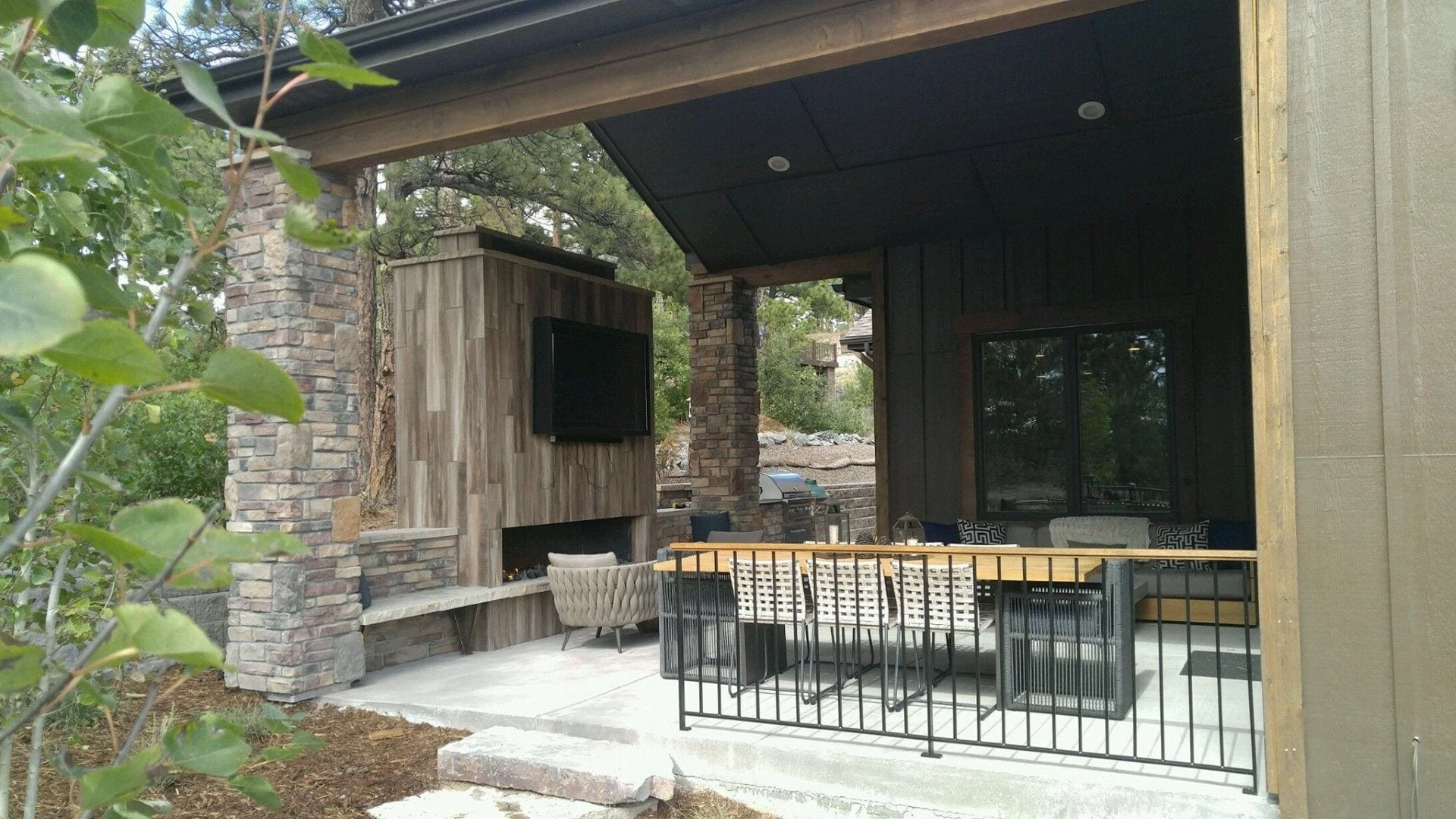
The best outdoor kitchens feel like part of a larger living area. Place dining seating close enough that the cook is still part of the conversation. Add a fire pit nearby and you extend the season into cool fall nights. Lighting along paths and over the counter makes the space usable after sunset and keeps guests safe walking between areas.
Plan for Utilities Early
Gas lines, water supply, and electrical outlets need to be planned before stone goes down. Running utilities after the patio is built costs far more and often means tearing up finished work. If you want a refrigerator, ice maker, or powered awning, map those needs during the design phase. Even a simple grill setup benefits from a dedicated gas line instead of swapping propane tanks every few weeks.
Common Mistakes to Avoid
- Building too close to the house without proper clearance for heat and smoke
- Using indoor grade cabinets that swell and fall apart after one wet season
- Skipping overhead shade, which makes the space uncomfortable on sunny afternoons
- Forgetting winter protection for appliances and plumbing lines
Work With a Team That Builds Start to Finish
A do it yourself outdoor kitchen kit can work for a simple setup, but most homeowners want stone work, gas plumbing, and electrical done to code. We handle design, patio construction, and kitchen installation so everything fits together cleanly.
Ready to cook outdoors more often? Contact us to talk through your outdoor kitchen ideas and get a plan built for Colorado weather.