The calendar says May while nights along the Front Range can still remind you that Colorado owns spring on its own schedule. Then a warm holiday block arrives and neighbors roll out furniture across turf that already looked tired in April. Traffic did not invent the thin spot, it revealed where soil, shade, dog paths, and water coverage were never even.
Weston Landscape & Design serves homeowners preparing outdoor spaces for heavy use across the Denver metro. This article covers how Memorial weekends show wear on turf, patios, and irrigation. For practical tasks in order, open our guest week landscape and irrigation prep guide.
Why ruts and tan lines show up overnight
Soft soil under a chair leg or a collapsed sprinkler trench feels like a crisis on Friday afternoon. Often the story started weeks earlier with uneven growth, compaction near a swing set, or a zone that never reached the patio return.
Cool May nights slow recovery even when afternoons feel like summer, which makes the same footprint look worse on Monday morning. Compare trouble areas only to similar sun and slope on your lot, the same habit we describe in south wall heat and dry lawn strips in April.
Patios, grills, and concentrated paths
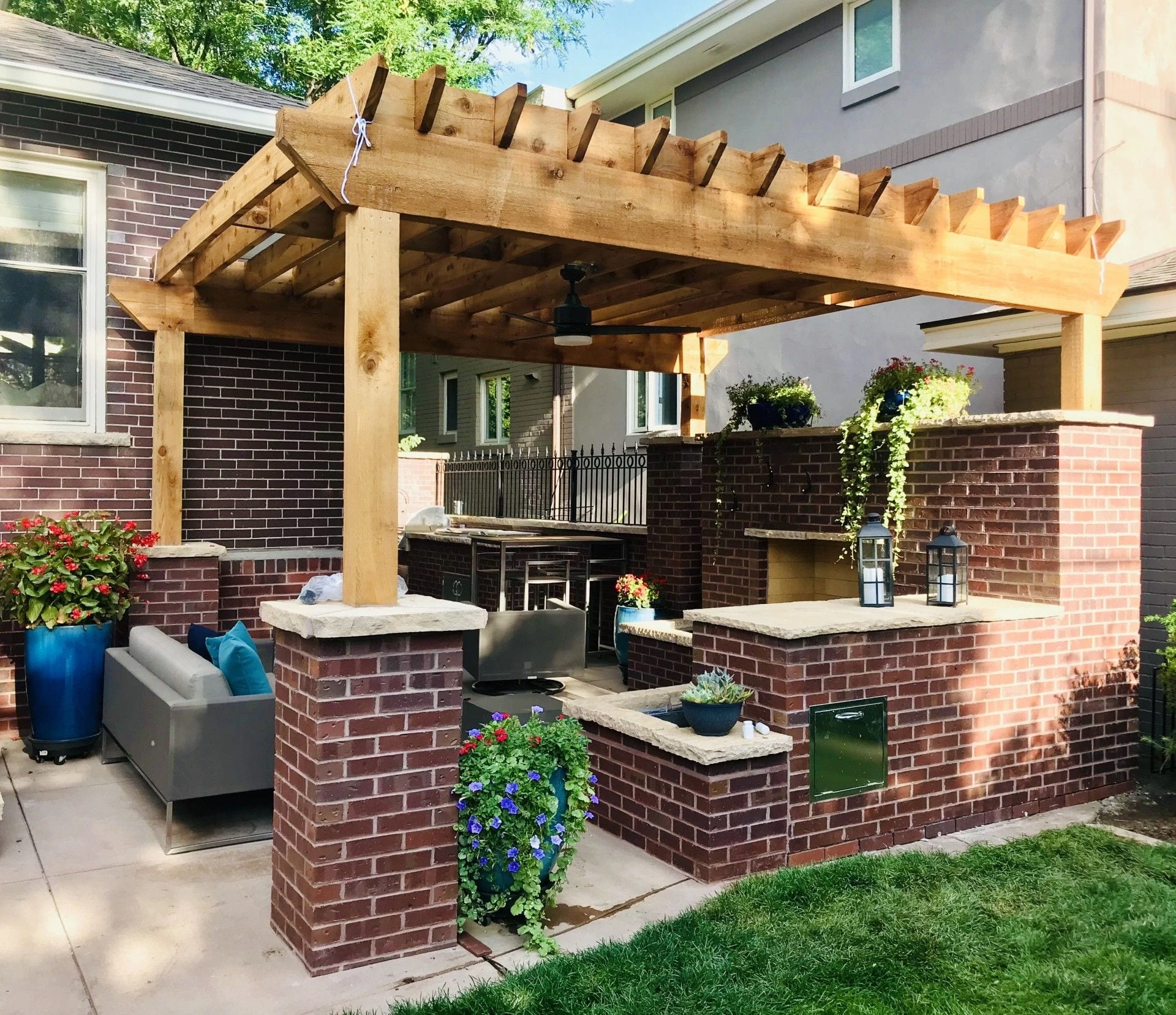
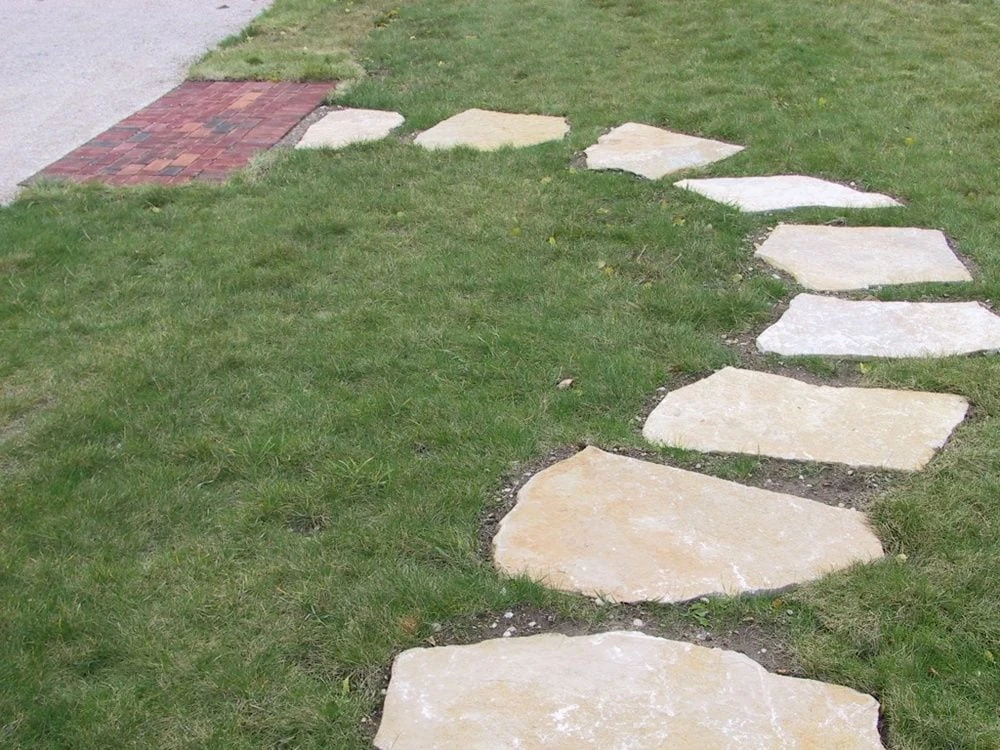
Every cookout repeats the same path from kitchen to grill to table. On small lots that path is also the lawn. Stone, mulch, or a defined walk spreads load better than hoping grass absorbs a season of heels in one line.
Loose pavers and pooled water beside the grill are safety issues. Landscape design can map circulation before you add furniture to a slope that already moves water the wrong direction.
What to delay until water is right
Seed or sod on active dry spots without fixing heads or pressure usually buys a short green flash and a July redo. Read spring irrigation startup in Colorado before you invest in patch repair.
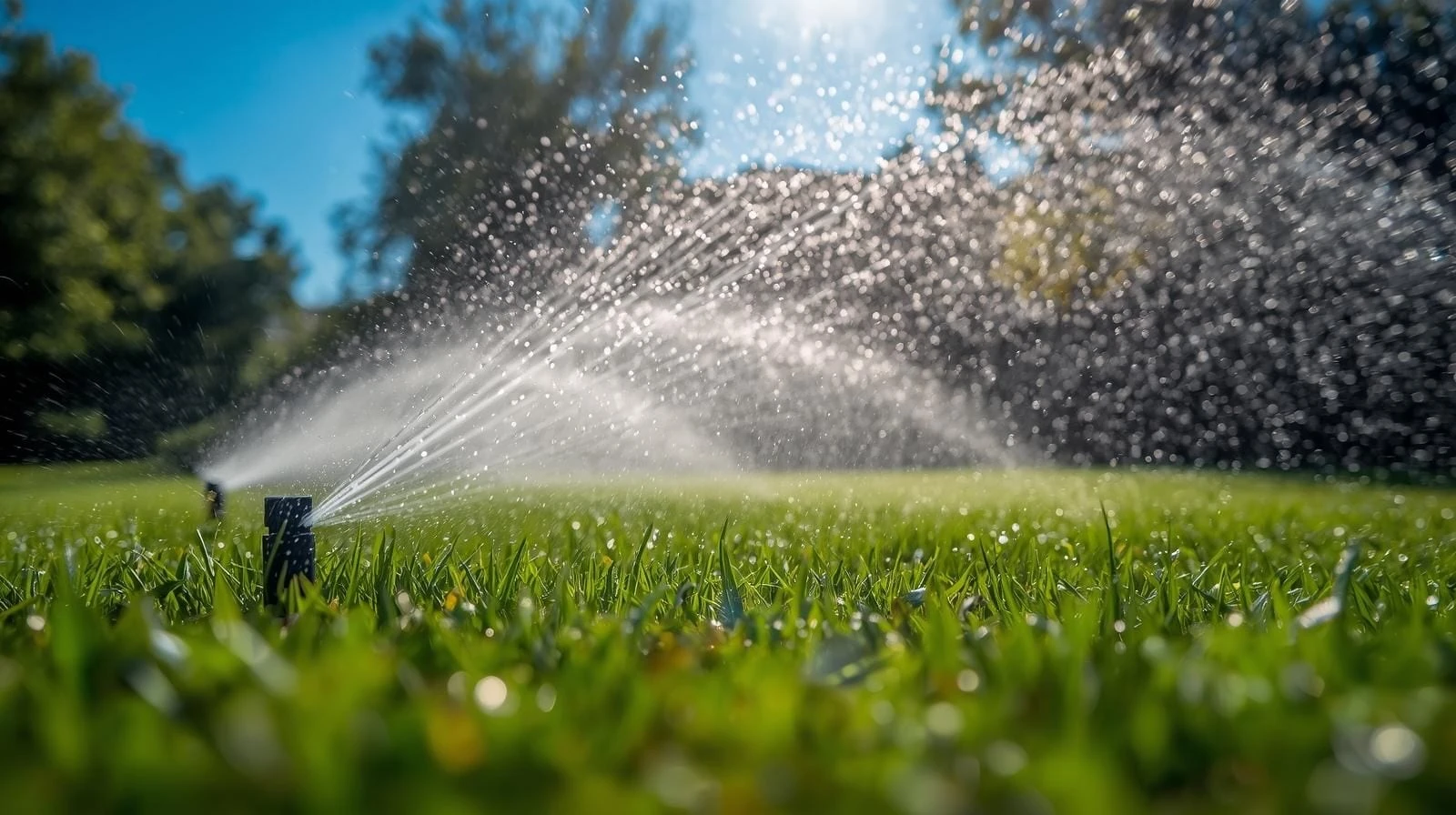
Walk zones at dusk after a cycle. Mist on siding and dry spots at the patio return point to coverage problems. Schedule irrigation startup or repair while you still have weekdays to observe the system.
Mowing, edges, and the guest photo
Guests photograph the approach: walks, mulch, pots, and the edge where turf meets stone. Center lawn can lag slightly if edges look intentional. Lawn mowing at steady height beats scalping for one weekend.
Pair presentation with mulch choices for Colorado gardens when bark looks thin beside paths that will see extra feet. Cool nights and hot days explains why the lawn can look uneven at different times of day without being doomed.
Lighting, water, and the side yard after dark
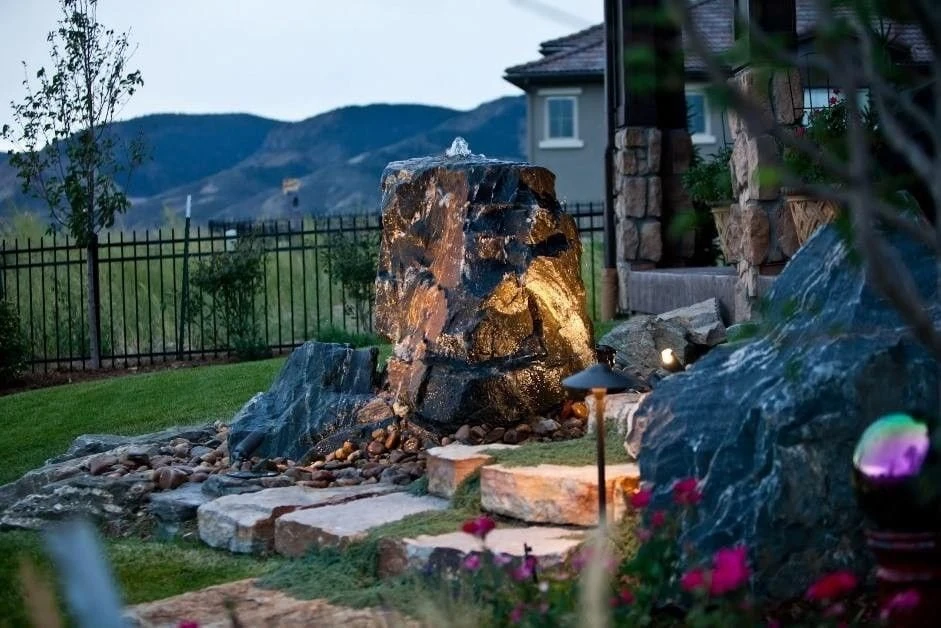
Memorial weekends extend outdoors past sunset. Fixtures added in spring can change how you use narrow side yards and expose problems you ignored in daylight. If lighting and sprinklers share a corridor, read lighting and irrigation conflict guide before you chase brown corners with more minutes on every zone.
Professional programs after the party
Once coverage and mowing rhythm are stable, lawn fertilization and bed work show their value faster than rescue products. Note compacted circles now so fall aeration targets real wear.
Getting your Denver yard ready for summer lines up chores after Memorial traffic subsides.
Recovery without overcorrecting
Give compacted turf a few mow cycles at proper height before you judge permanent damage. Overwatering the whole lawn because one chair line looks tan duplicates the problem on shady zones that were already wet below the surface.
Before the next hosted weekend
Honest assessment beats panic seeding. Note where furniture sat, which zones reached those areas, and whether soil was wet when chairs sank. For south strips before the next event, see Memorial weekend irrigation on south-facing strips.
Contact Weston Landscape & Design with hosting dates and photos of thin spots and controller screens so we can coordinate irrigation, lawn, and landscape visits between events.