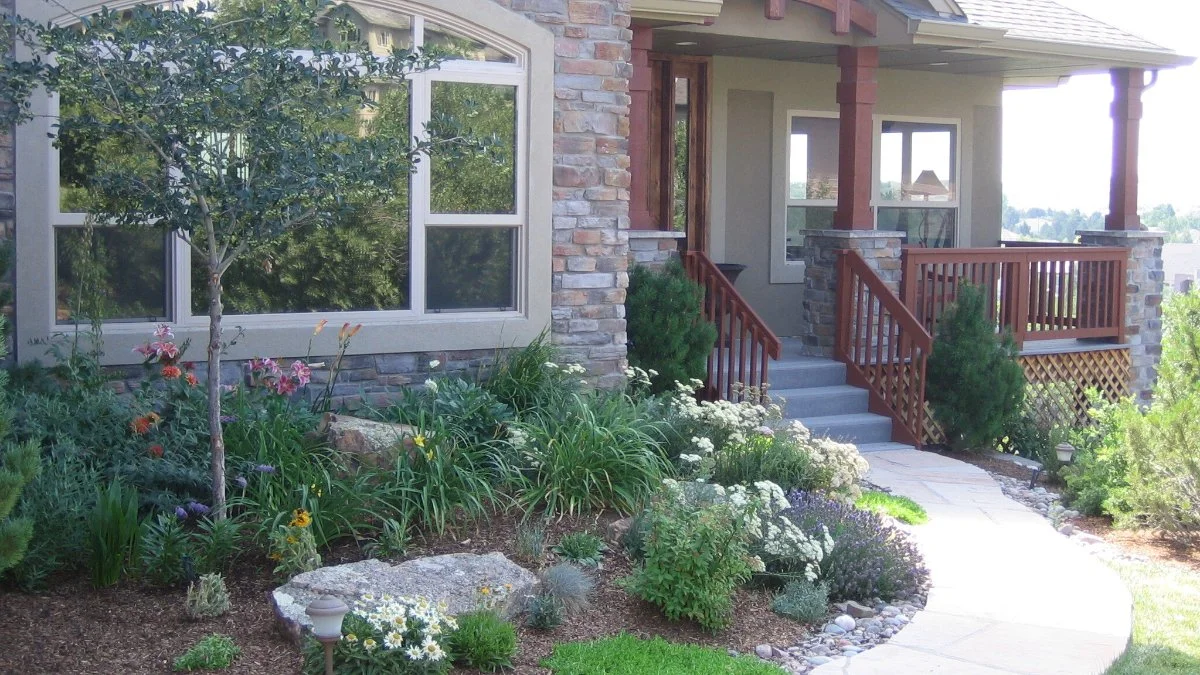
Mulch is one of the simplest ways to help your garden beds look good and stay healthy. It holds moisture in the soil, slows weeds, and buffers plant roots from our hot summers and cold snaps. Not all mulch is the same, and in the Denver area the right choice depends on what you are growing and how you want the yard to look.
Weston Landscape & Design installs mulch on residential and commercial properties across the Front Range. Here is a straightforward guide to choosing and using mulch so your beds thrive.
Why Mulch Matters on the Front Range
Colorado soil tends to be heavy clay and often dries out quickly. Mulch acts like a blanket: it shades the soil so it does not bake in the sun, slows evaporation so you water less, and over time breaks down and feeds the soil. It also blocks light so many weed seeds never get going. In winter, a good layer helps protect roots from freeze and thaw cycles.
Types of Mulch That Work Well in Denver
Shredded Bark and Wood Chips
These are the most common choices. They look natural, last a few years, and work in most beds. Choose a size that stays put in wind; finer shreds can blow around before they settle. Avoid stacking mulch right against tree trunks or stems to prevent rot and pests.
Pine Needles
Pine straw is lightweight, lets water through easily, and gives beds a tidy, natural look. It works especially well around evergreens and in spots where you want a slightly acidic soil. It does not pack down the way wood mulch can.
Rock and Gravel
In hot, dry spots or xeriscape plantings, rock mulch can be a good fit. It does not break down, so it lasts a long time, but it does not improve the soil or hold moisture the way organic mulch does. Use it where you have drought tolerant plants that like good drainage.
How Deep to Spread Mulch
For most beds, 2 to 3 inches of mulch is enough. Too thin and weeds push through and the soil dries out faster. Too thick and water may not reach the roots, and stems can stay too wet and rot. Keep mulch a few inches away from the base of plants and trees. If you already have old mulch that is not broken down, fluff it or remove a bit before adding more so you do not build up a deep, matted layer.
When to Refresh Mulch
Organic mulches break down over time. Plan to add a fresh layer once a year, usually in late spring after the soil has warmed and you have done any weeding or planting. In Denver, that timing also helps lock in moisture before summer heat. If you notice the layer getting thin or compacted before then, add a little more as needed.
Getting It Done Right
Spreading mulch by hand works for small areas. For larger beds or a full refresh, a professional mulch installation saves time and ensures an even depth. We can match the product to your soil, plants, and look you want.
Choosing the right mulch and keeping it at the right depth keeps your garden healthier and cuts down on watering and weeding. Ready to freshen up your beds? Contact us to schedule mulch installation or a full landscape maintenance plan.