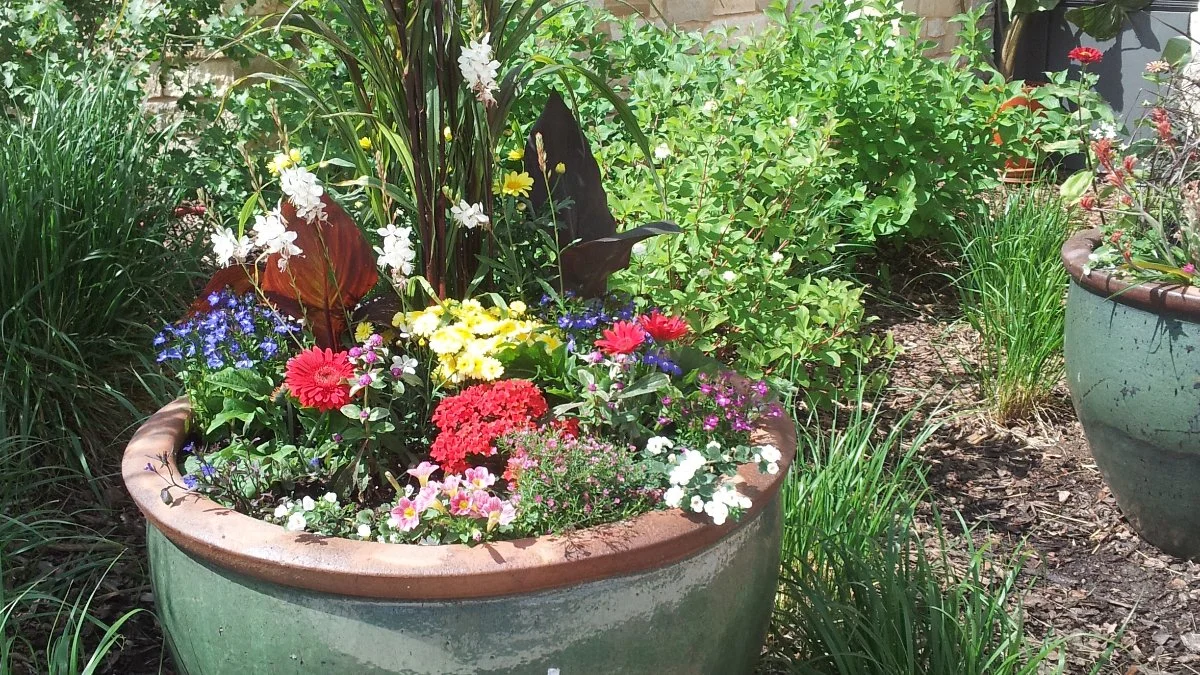
You bring home trays from the garden center in April and the porch looks like a magazine. By August the same pots can look tired unless you planned for Colorado real growing conditions, not the greenhouse where those plants started. Heavy clay, sudden hail, and weeks without rain are normal here, not exceptions.
Weston Landscape & Design plants and maintains seasonal color for homes from Highlands Ranch to southeast Boulder. These are the habits we use so beds and containers stay full without wasting water or your weekends.
Start With Soil That Drains and Feeds
Annual roots are shallow. If the ground is rock hard or stays soggy in low spots, flowers stall no matter how often you water. Work compost or a quality bed mix into the top six to eight inches before you plant. Break up the sides of each hole so roots do not circle in a smooth clay bowl. Raised beds and large pots are tools in Ken Caryl and Roxborough Park where native soil is thin or full of stone.
Match Water Needs in One Bed
- Group thirsty annuals together so one zone of drip or hand watering fits the whole bed.
- Keep succulents and silver leaf plants apart from plants that want steady moisture.
- Plan for mulch two to three inches deep once soil warms, pulling it back slightly from stems.
Timing Around Late Cold and Early Heat
Tender annuals still need protection when nights threaten frost. Have frost cloth ready the same week you plant. Once nights stay mild, shift focus to morning watering and afternoon shade for new transplants during the first hot spell. In Denver and Littleton, that first ninety degree week can arrive while school is still in session, so plan shade cloth or temporary placement on the east side of a fence for vulnerable pots.
Deadheading spent blooms every few days tells many annuals to keep producing flowers instead of seed. A pair of snips and five minutes twice a week beats ripping everything out in July because the bed looks spent. For mixed containers, swap one tired plant rather than the whole arrangement if the rest still look strong.
When Hail Shreds Leaves
June storms can area petals and punch holes through leaves in minutes. After hail, trim off truly mangled stems so the plant is not fighting torn tissue, water gently to reduce shock, and wait a week before you decide the whole flat was a loss. Many warm season annuals push side shoots if the root ball stayed intact. If a bed along a Castle Pines driveway gets hit every year, plan taller structural plants or a simple wind and hail buffer on the storm side next season rather than repeating the same vulnerable layout.
Pick healthy starts at the nursery: stiff stems, roots white and visible at the drain holes, no fuzzy mold on the soil surface. Leggy plants stretched under dim store lights rarely catch up outside. A few extra dollars for stock grown hard outdoors pays off in Lakewood sun.
Stretch Color Into Fall
As September cools, swap heat lovers for pansies, ornamental kale, or other cool season picks that handle light frost and look fresh through Halloween. That bridge keeps entryways cheerful for Wheat Ridge porches and Greenwood Village front walks alike. A light feed with a balanced product labeled for flowers, used exactly as directed, can support that last flush if summer leached nutrients from pots.
Water Smarter, Not More Often
Shallow sprinkling every day keeps roots near the surface and wastes water to evaporation. Soak the root zone deeply two or three times a week in peak summer, then let the top inch dry slightly between runs. Early morning is still the best window. If you tie beds into an automatic system, have a pro check coverage so flowers are not blasted by the same heads that reach turf. Our irrigation startup visits often catch tilted heads and overspray that cook delicate petals.
Hand watering with a breaker nozzle lets you aim at the soil line instead of beating flowers flat. For long narrow areas along a garage in Centennial, a simple soaker hose on a timer often beats overhead spray that never matches the bed shape.
Professional Help When You Want the Look Without the Schedule
Rotating seasonal color on time, refreshing mulch, and keeping edges crisp is a rhythm. If travel, work, or a big property makes that hard to keep, annual flowers programs and garden maintenance visits spread the work across the season. We also tie flower choices to your overall landscape design so paths, beds, and entries read as one plan.
Annuals are the fun layer of a yard: quick color, bold texture, room to experiment. With soil prep, smart grouping, and steady deadheading, that fun lasts from the first warm week deep into fall. When you are ready for a pro install or a full refresh, contact us and we will map a color plan that fits your corner of the Front Range.