Overgrown shrubs blocking the windows, branches hanging over the walkway, or a tree that has not been trimmed in years: these are the kinds of calls we get from folks in Centennial, Lakewood, and the rest of the Denver metro. Pruning at the right time and in the right way keeps plants healthy, improves how they look, and can prevent damage to your home. Get the timing wrong or cut too much, and you can stress the plant or ruin the next season’s flowers. Here is a straightforward guide to when and how to prune so your trees and shrubs thrive on the Front Range.
Weston Landscape & Design provides garden maintenance and landscape care across the Denver area. This is the same advice we give our clients when they ask about pruning.
Why Timing Matters in Colorado
Plants use stored energy to heal cuts and put out new growth. If you prune at the wrong time, you can leave them vulnerable to cold, invite disease, or remove the buds that would have produced flowers. In the Denver area we get late freezes into spring and hot, dry summers, so pruning when the plant is dormant or right after it flowers is usually the safest bet. Avoid heavy pruning in late summer or early fall; that can push new growth that does not harden off before winter.
When to Prune Flowering Shrubs
Shrubs that bloom in spring (like lilac, forsythia, and many spireas) set their flower buds the year before. If you cut them in fall or early spring, you remove those buds and get few or no flowers. Prune spring flowering shrubs right after they finish blooming. That gives them the rest of the season to grow and set buds for next year. Shrubs that bloom in summer (like butterfly bush and some roses) flower on new growth. Prune these in late winter or early spring before new leaves appear. You will get a flush of new stems and a strong bloom cycle.
Quick Reference
- Spring bloomers (lilac, forsythia, spirea): prune right after flowers fade.
- Summer bloomers (butterfly bush, panicle hydrangea): prune in late winter or early spring.
- Roses: in the Denver area, prune in early spring when buds swell; avoid fall pruning so you do not encourage tender growth before cold weather.
When to Prune Shade Trees
Deciduous shade trees (maples, oaks, ash, and similar) are best pruned when they are dormant: late fall after leaves drop or in winter before buds break. There is less sap flow then, and you can see the branch structure clearly. Avoid pruning in early spring when sap is running heavily; some trees can bleed. In Colorado, late winter (February into March) is a common window for tree work. Remove dead, damaged, or crossing branches first. Then thin for shape and clearance. Do not remove more than about one fourth of the live canopy in a single year; heavy pruning stresses the tree.
When to Prune Evergreens
Spruces, pines, and other needled evergreens need less pruning than shrubs. If you do trim, do it in late winter or early spring before new growth starts. Light shaping is fine; avoid cutting back into bare wood because many evergreens will not resprout from old wood. For broadleaf evergreens (like some hollies or euonymus), prune after new growth has hardened, usually in late spring or early summer. That way you do not expose tender growth to a late freeze.
How to Prune Without Hurting the Plant
- Use sharp, clean tools. Clean cuts heal faster; dull blades crush tissue and invite disease. Wipe blades with a disinfectant between plants if you have had any disease issues.
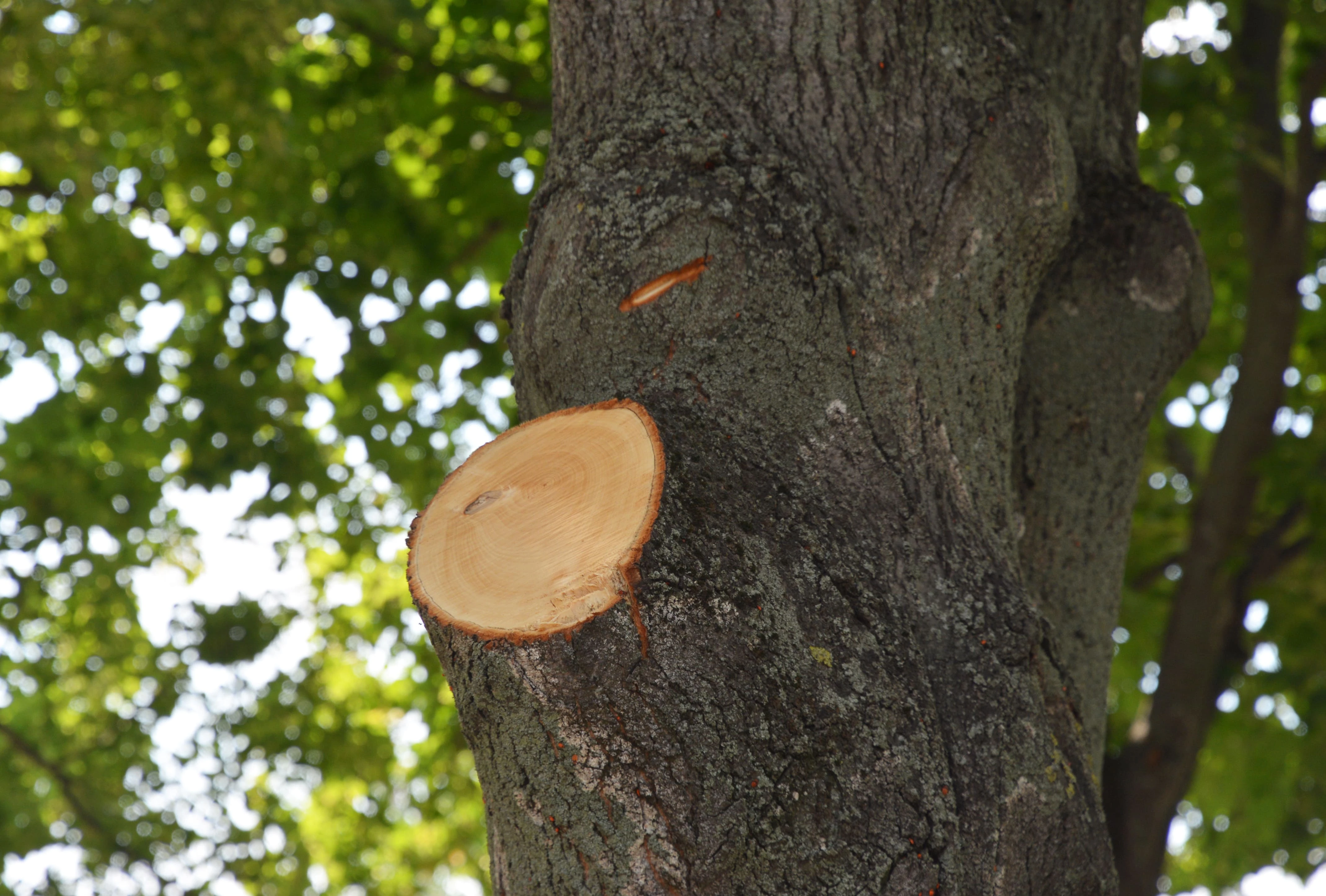
- Cut at the right place. On branches, do not leave a long stub and do not cut flush into the trunk. Cut just outside the slight swelling (the branch collar) where the branch meets the trunk or a larger branch.
- Thin instead of shearing when you can. Shearing turns shrubs into tight balls and can block light and air. Removing whole branches back to a main stem or the ground opens the plant up and keeps a more natural shape.
Mistakes to Avoid
Topping a tree (lopping off the top to reduce height) weakens it and leads to weak, crowded regrowth. If a tree is too tall, work with an arborist to reduce height with proper cuts or consider whether the tree is in the right place. Another common mistake is pruning too much at once. Taking more than about one fourth of the leaves or branches in a year can shock the plant. Spread big jobs over two or three seasons. Finally, do not prune when the wood is wet or during very cold snaps; that can damage tissue and make cuts slow to heal.
When to Call a Pro
Small shrubs and young trees are manageable for many homeowners. Large trees, work off the ground, or pruning that requires a chainsaw are best left to trained crews. So is correcting years of bad pruning or managing disease. Weston’s garden maintenance team can handle routine pruning as part of ongoing care. For big trees or hazardous limbs, we recommend a licensed arborist. If you are not sure when to prune or how much to take off, contact us and we can point you in the right direction or schedule a visit.
Pruning at the right time and with the right technique keeps your trees and shrubs healthy and your yard looking tidy. A little planning goes a long way on the Front Range.