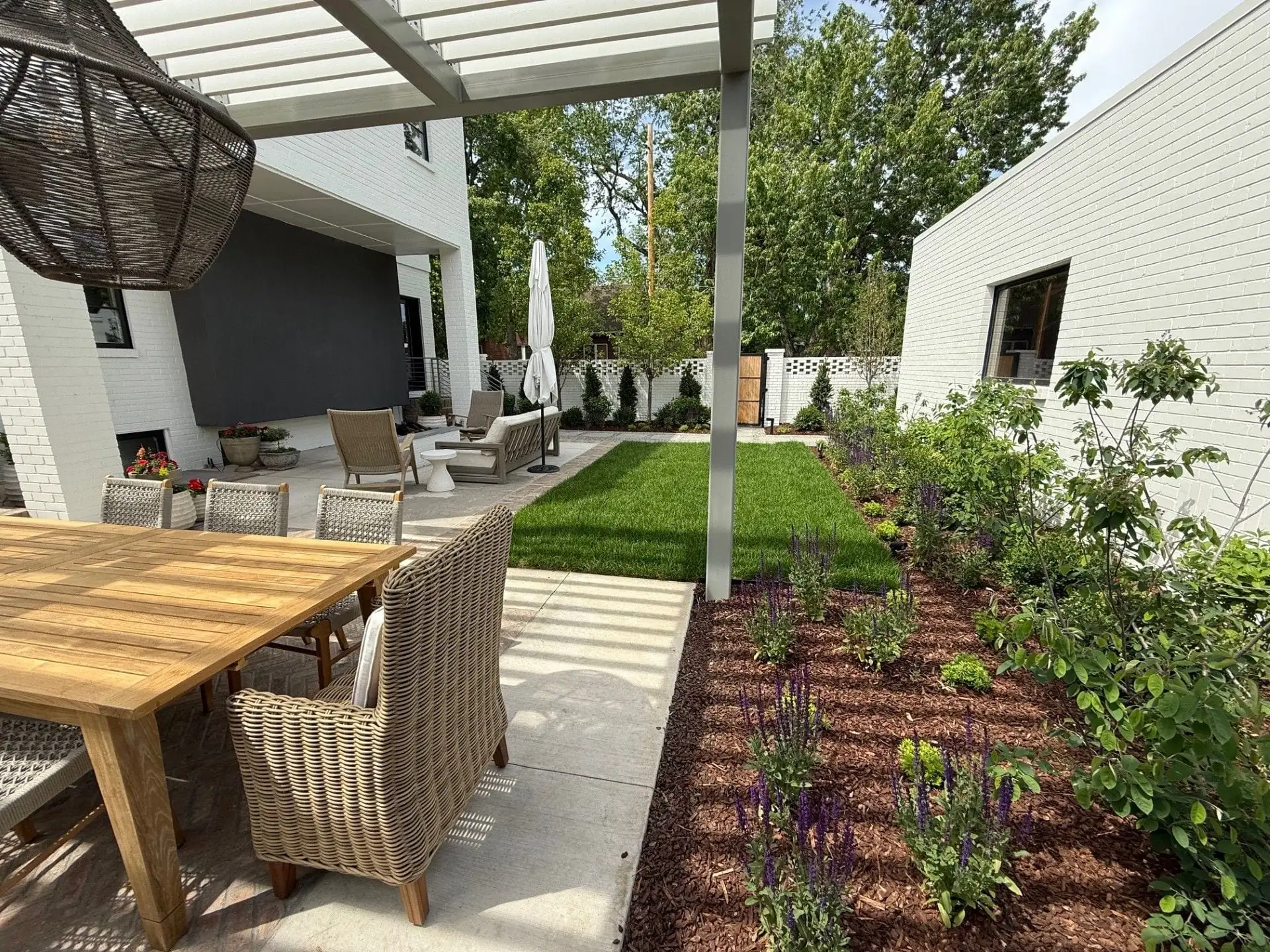
Memorial season weekends stack cookouts, graduations, and the first serious patio nights across the Denver metro. Guests notice wobbly pavers, dry lawn wedges, and sprinkler mist on siding before they compliment your flower pots. This guide orders practical work so irrigation, turf, beds, and hardscape support the calendar instead of fighting it.
Weston Landscape & Design helps homeowners from Englewood to Highlands Ranch prepare properties for heavy use. For why damage can look sudden when furniture returns, see Memorial long weekends and patio traffic.
Water first, cosmetics second
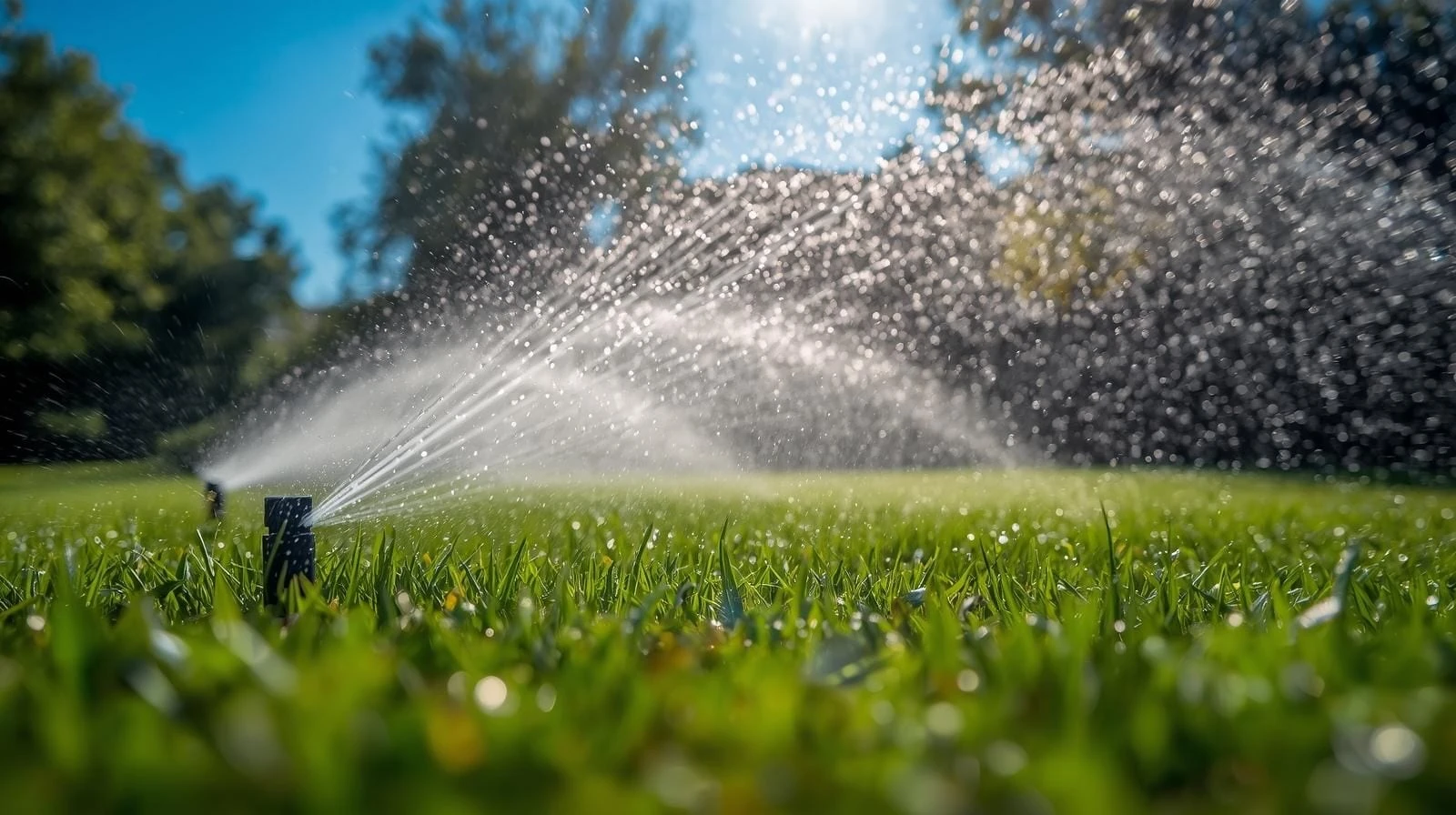
Walk every zone once at dusk so mis-aimed heads show as mist on siding and dry spots show as wilted grass at the patio return. Match minutes to May weather, not July memory, using spring irrigation startup in Colorado and when to start watering your lawn in Denver as references for weekly depth.
If a zone will not shut cleanly, pressure drops when multiple heads run, or coverage leaves tan triangles beside walls, book irrigation startup or repair before you blame fertilizer or traffic.
Place straight-sided cans on the lawn during a normal cycle. Measure depth, add totals across watering days, and compare to the one to one-and-a-half-inch weekly target most metro lawns need including rain. That quick test prevents running every station longer because one hot strip looked dry at lunch.
Turf that will carry chairs and paths
Keep lawn mowing steady instead of scalping for one evening photo. Steady height supports roots when traffic doubles on gate cuts and grill paths.
On tight lots, pair this pass with small lot softscape planning so you are not asking grass to be a hallway and a showcase without a plan.
South exposures that dried in April still matter in May. See south wall heat and dry lawn strips. When color lags after coverage is verified, lawn fertilization on a program beats panic products that push growth into the next cold night.
Beds, mulch, and finished edges
Refresh mulch for even depth and weed suppression, not only color. Choosing the right mulch for your Colorado garden explains Front Range materials. Keep mulch a few inches off stems and walks.
Mulch installation and garden maintenance can align with head checks so new depth is not blasted the same afternoon sprinklers run. Edges along drives sell the yard when center turf is still catching up, see cool nights and hot days on metro lawns.
Hardscape, drainage, and circulation
Loose steps, pooled water beside the grill, and stones that rock under a chair leg are safety issues, not projects to hide behind a planter. Note downspouts that discharge toward seating areas.
When layout needs rethink, landscape design helps circulation, grade, and drainage before stone locks mistakes in place. Our drainage guide applies when puddles persist after normal watering.
Lighting and irrigation in the same side yard
May is when low-voltage paths and sprinklers share trenches and tight beds. If you added fixtures over winter, read outdoor lighting and irrigation conflicts before you assume brown corners are only drought.
Accent lighting should respect valve boxes and future head adjustments. Holiday and accent lighting teams can flag wire crossings so irrigation techs know where to listen for leaks.
Annual color and entries
Tender annuals in open pots freeze easier than beds near the house. When you are ready for reliable entries, annual flowers installed after head checks are less likely to be blasted by mis-aimed spray. Match plant water needs to zones you actually water well.
After Memorial season, getting your Denver yard ready for summer carries chores forward once heat settles in.
Quick safety passes
Remove dead branches you can reach safely before storms and guests arrive. Empty standing water in pots and saucers when you adjust irrigation. For south-facing strips, see Memorial weekend irrigation on south-facing strips.
Pull the plan together
Guest week prep is about sequencing water, wear zones, presentation edges, and safe hardscape, not perfection in one afternoon. Photos of thin spots, south exposures, valve boxes, and controller screens speed scheduling.
Contact Weston Landscape & Design with hosting dates so crews can stack irrigation, lawn, mulch, and design visits on one plan instead of undoing each other's work between Friday and Monday.
.webp)