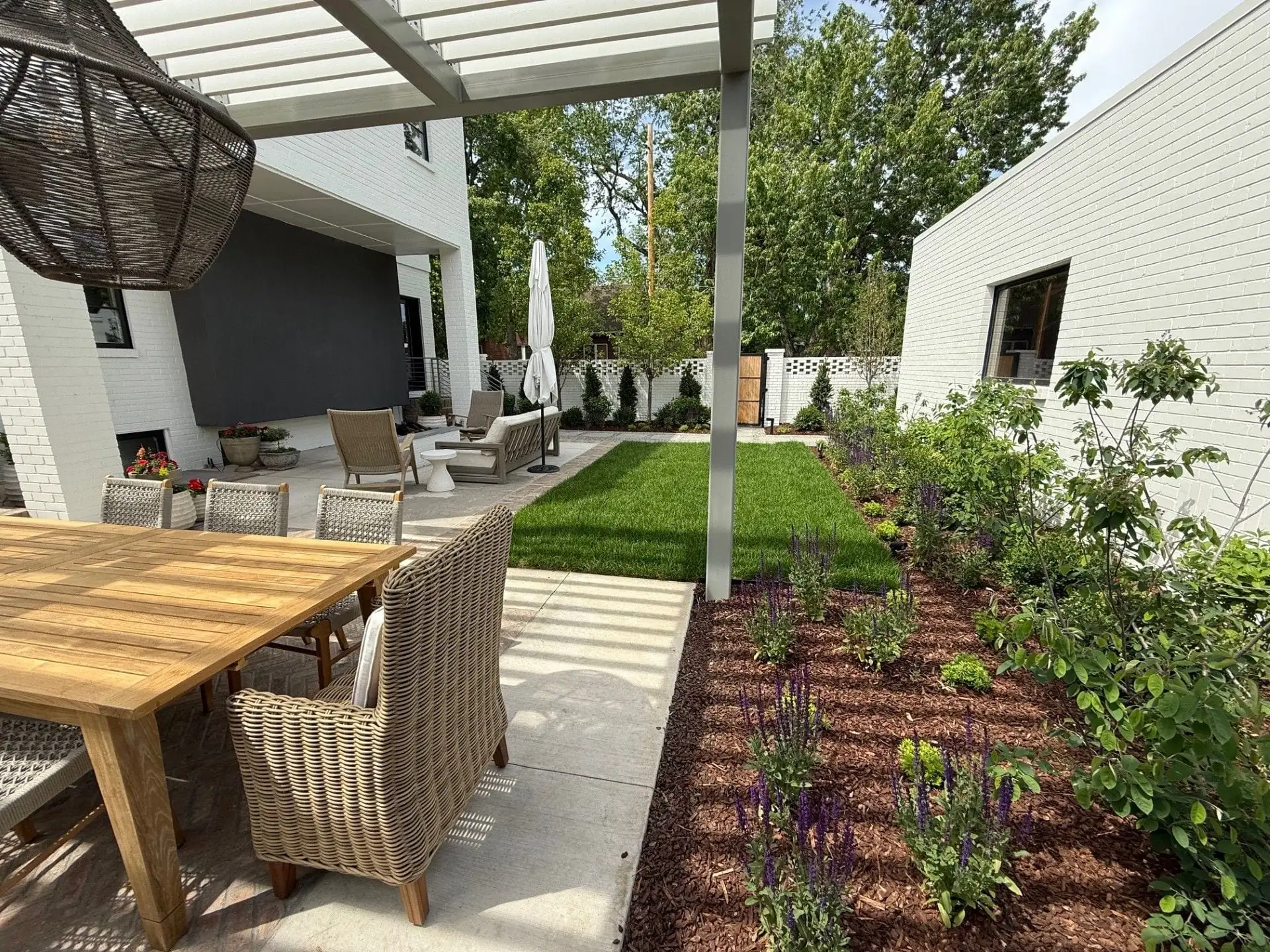
Smaller Denver lots still want patio season, yet every square foot competes for the same weekend calendar. April is when smart homeowners line up softscape tweaks, irrigation fixes, and low-drama plant moves before June heat and before Memorial traffic compresses turf into hallways. This article speaks to townhomes and tight setbacks as well as suburban lots where the usable yard is smaller than the lot size suggests.
Weston Landscape & Design plans and maintains properties across the Front Range. Thinking in circulation first saves water, stone, and lawn later.
Define circulation before you buy color
Moving a path eighteen inches can save hundreds of feet of drip line and reduce turf wear at the gate. Sketch how people move from kitchen to grill to street before you order pavers or pots.
If you are planning new stone, browse landscape design for how we think about grade and drainage before pavers lock mistakes in place. Our drainage and standing water guide pairs with layout changes on tight lots where there is nowhere else for water to go.
Leave a thoughtful path to meters and hose bibs before you plant dense shrubs along the side yard. Future irrigation repairs are cheaper when valves are not buried behind new stone.
How small lots exaggerate April soil rhythm
Every foot of lawn is also a path on compact lots. Wet April soil compacts faster when the only route to the shed crosses turf. Read April soil thaw rhythm for when to host heavy traffic and when to wait for crumbly soil.
South lawn beside the garage dries first and sees the most furniture. South wall heat and dry strips explains why the garage side yellows before the shady fence line, different problems, different water thinking.
Townhomes and zero-lot-line properties also share reflected heat from neighbor walls and fences. A narrow strip may be full sun and radiant heat from multiple surfaces.
Irrigation on tight lots
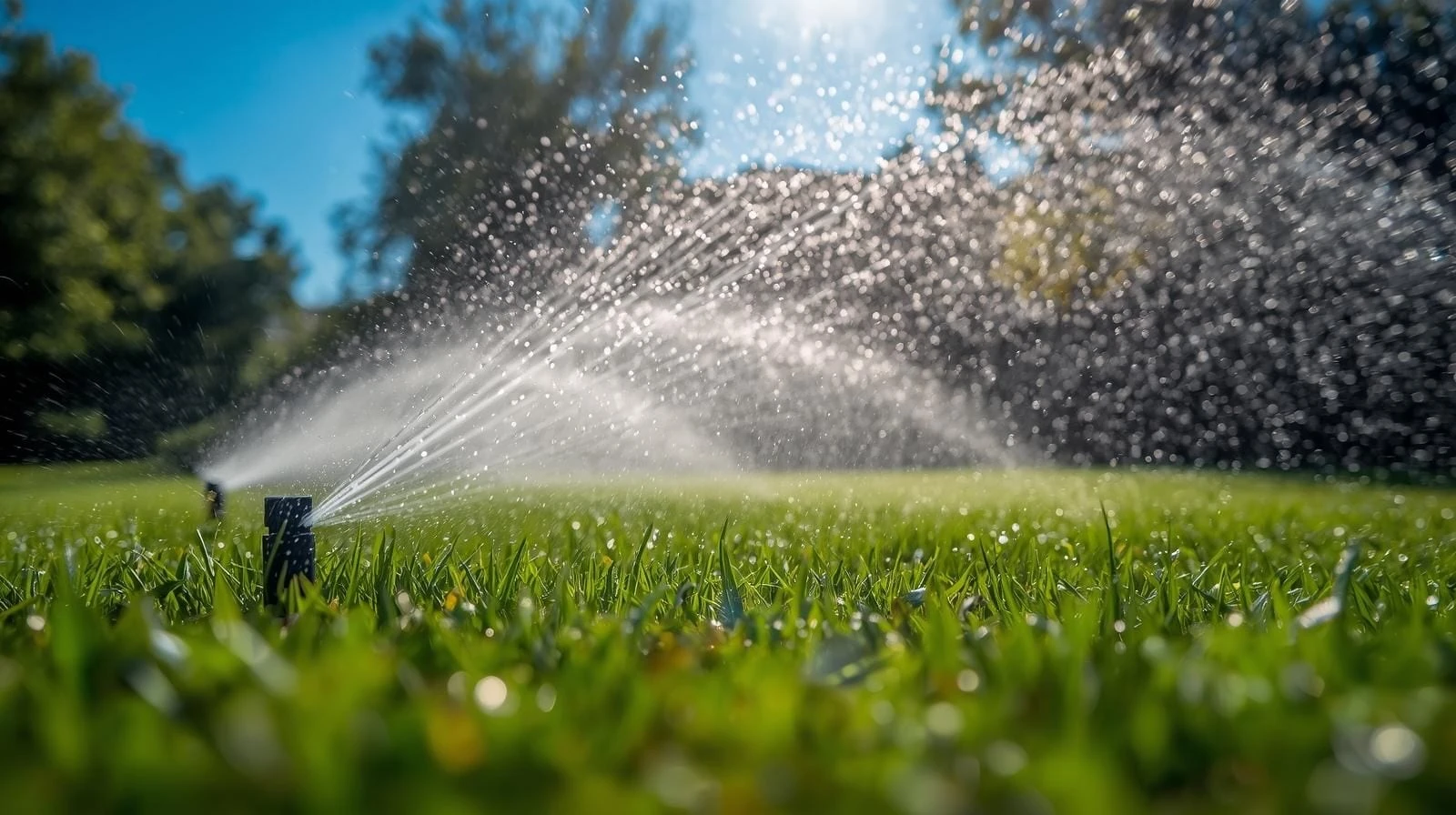
Short lateral runs still have overlap problems when heads are old or beds steal pressure. Schedule irrigation startup before you plant tender color in lines that get blasted by mis-aimed spray. Technical context lives in spring irrigation startup in Colorado and when to start watering in Denver.
When lighting and irrigation share a side-yard corridor, see lighting and irrigation conflicts if winter projects moved wire near laterals.
Lawns as hallways
Dog paths and gate cuts matter more when total turf area is small. Lawn mowing at steady height paired with lawn fertilization can thicken traffic lanes when soil and light allow, but not if coverage is wrong.
Scalping for one event photo weakens the same area guests cross all summer, especially when Memorial weekend traffic repeats the same lines.
Where grass cannot survive constant feet, convert the lane to stepping stones, mulch, or compacted gravel with edging. The goal is not maximum turf square footage, it is a yard that still looks intentional in September. Patio extensions and defined walks spread load better than hoping grass absorbs a season of heels.
Planting windows and night cold
Wait until May for tender annuals on open patios, or match baskets to nights you can cover. Annual flowers visits can align with irrigation checks so new plantings are not blasted by mis-aimed heads.
Beds, mulch, and vertical space
On small lots, height is an asset. Trellis, upright shrubs, and layered beds add privacy without eating the only flat lawn patch. Measured mulch installation and garden maintenance keep edges crisp for the approach guests photograph first.
Storage and winter damage
Tables and planters stored on turf all winter leave lines that look like disease in April. Fix water on those strips before you aerate and overseed. Confirm HOA rules before built-ins block the only irrigation access panel on the lot.
Pull April planning into patio season
A short list beats vague ambition: firm soil before parties, verified irrigation before fertilizer, defined paths before more furniture.
Getting your Denver yard ready for summer bridges planning into steady maintenance. Share a sketch with photos when you contact Weston Landscape & Design.
.webp)