April along the Front Range is when soil finally stops acting like concrete every morning, yet night air can still nip new leaves. Homeowners in Denver, Aurora, and Lakewood step onto lawns that look half awake and wonder whether to water, fertilize, or simply wait. This guide keeps decisions tied to what Colorado grass and soil usually do in April, not a national calendar written for milder climates.
Weston Landscape & Design designs and maintains landscapes across the Denver metro. The rhythm below connects thaw, foot traffic, irrigation patience, and the microclimates that show up beside south walls before May guests arrive.
Soil thaw and first foot traffic
Wet soil squeezes under boots and cart wheels. If you rake, roll, or host a large gathering while the profile is saturated, you cause compaction that shows up as summer thin spots in the same paths you walked in April. Wait until a handful of soil crumbles instead of smearing before you treat the lawn like a ballroom.
Kids and dogs often compress the same half circle near swings and gates all spring. Note those areas for aeration later when grass can recover fast. Traffic patterns you establish in April persist when Memorial season patio traffic multiplies load on the same lines.
Frost, thaw cycles, and what grass is doing
Roots wake slowly. Top growth can look eager after a warm week while the profile below is still catching up. See avoiding spring fertilizer too early for nutrient timing when soil is still cold.
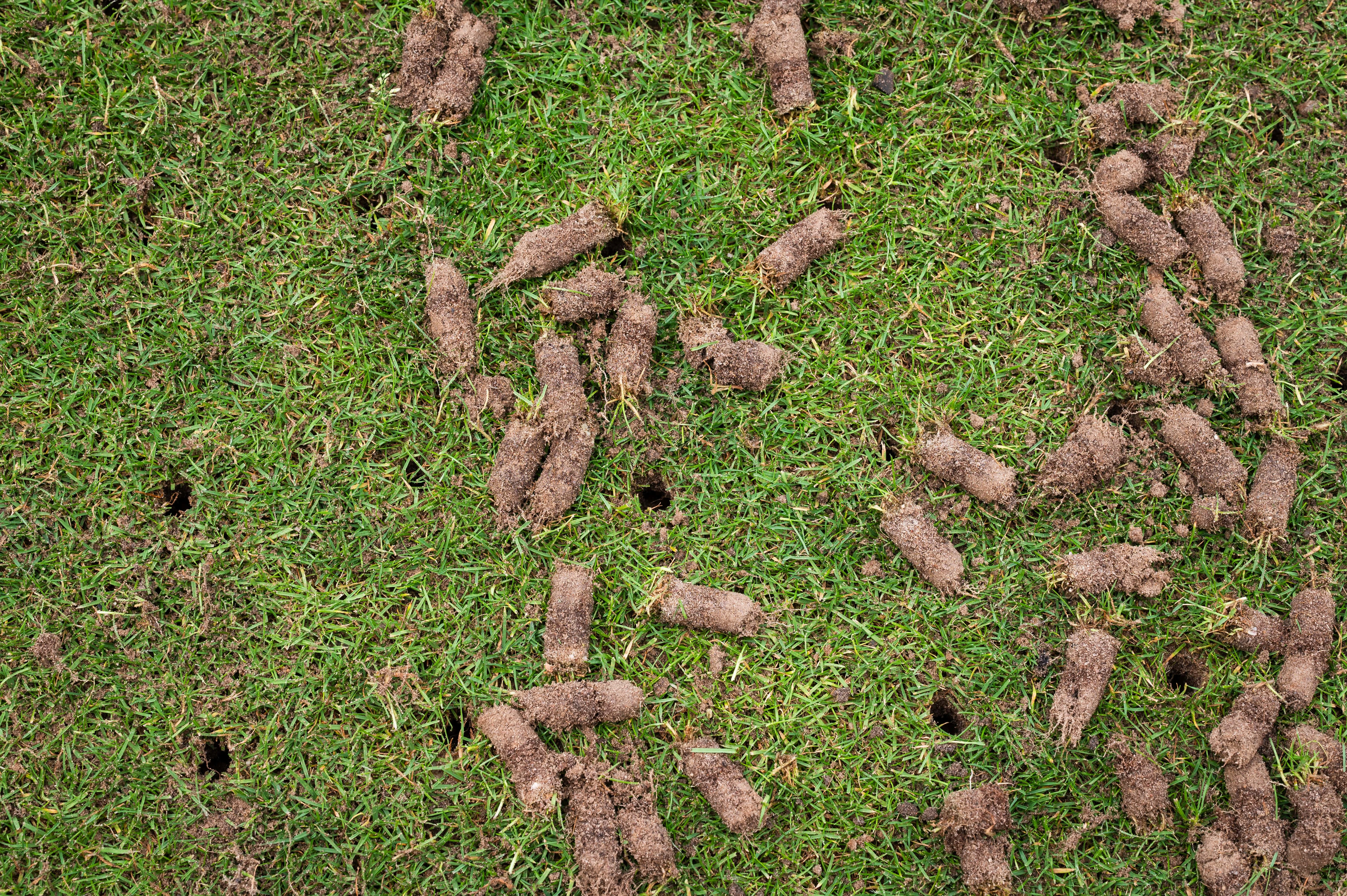
Core aeration belongs later when grass is actively growing and soil is firm enough to recover. Mark compacted areas now for targeted spring or fall work.
Irrigation patience in April
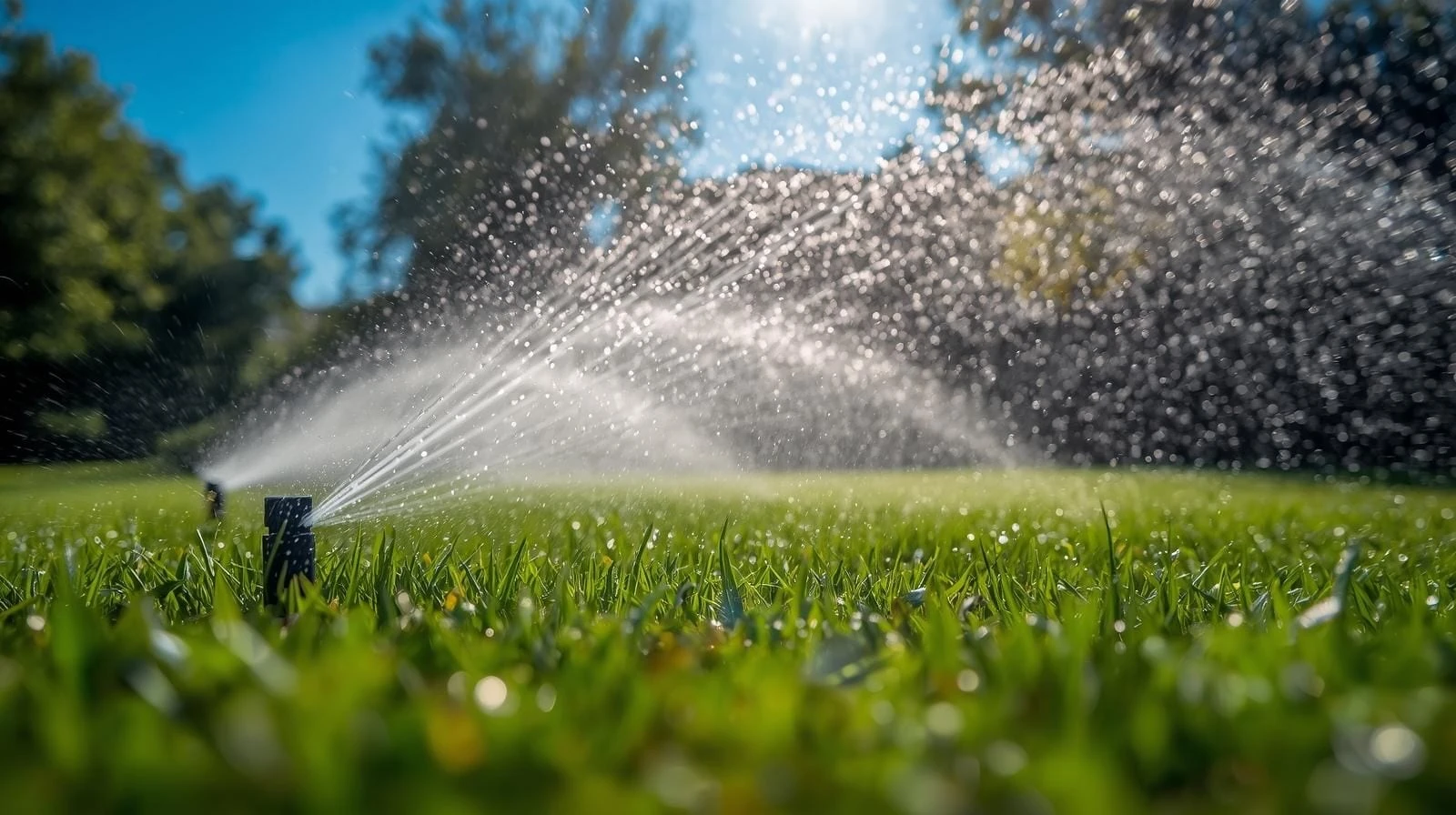
Nights below freezing still appear in April many years. Water in above-ground lines and heads can freeze and crack if you rush the season. Schedule a professional irrigation startup instead of guessing which valve to open first. Startup checks leaks, pressure, head aim, and controller programs before you rely on the system weekly.
Hand watering for new seed or tender starts should follow a steady pattern once you commit. Our spring irrigation startup guide fits startups into the wider picture alongside when to start watering your lawn in Denver.
Wind and blade appearance
April wind dries leaf surfaces even when soil is wet below. Watch patterns on the lot instead of adding minutes to every station because one bed looked stressed at lunch.
South walls, mulch, and lawn edges
South-facing beds dry fastest and often pull water away from lawn edges through roots and radiant heat. Read south wall heat and dry lawn strips if narrow turf beside the garage yellows before the rest of the yard.
Mulch depth and material matter on those edges. See choosing the right mulch for your Colorado garden before May heat arrives. Measured mulch installation slows evaporation on bed soil and keeps weeds from claiming the same area you want lawn to fill in later.
Small lots and early circulation choices
Tight setbacks mean every April decision echoes into patio season. Moving a path eighteen inches can reduce future compaction and irrigation complexity. Small lot softscape planning explains defining circulation before you buy color and stone.
Steady lawn mowing at proper height supports roots once soil is firm enough to carry the mower without rutting. Scalping to wake up the lawn in April usually wakes up weeds instead.
Raking and cleanup timing
Light raking to lift matted blades can help once soil firms, but aggressive power raking on wet turf causes compaction. Snow mold in shady wet spots often needs only light raking and time once soil dries.
Sequencing April with one plan
April rewards patience and observation: firm soil before parties, irrigation checks before fertilizer, and local comparisons before panic products. Walk the lot once at dawn and once after your normal irrigation window, the difference between wind-dry blades and true drought often becomes obvious across zones on the same valve.
Note which observations repeat on three consecutive days before you change the controller. Contact Weston Landscape & Design when you want April tasks sequenced with irrigation, beds, and turf on one plan that carries into May guest prep and summer maintenance.