If your Denver area lawn struggles to green up, feels hard underfoot, or turns yellow despite regular watering, the problem may be below the grass. Most Front Range yards sit on heavy clay that compacts easily and tends to be alkaline. That combination makes it harder for roots to breathe, water to soak in, and nutrients like iron to reach your grass. The good news is that a few focused steps in late winter and early spring can set your lawn up for a much better year.
Weston Landscape & Design helps homeowners across the Denver metro improve soil health as part of a complete lawn care plan. Here is what we recommend for getting your soil ready before the growing season.
Why Colorado Soil Needs Extra Attention
Clay soil holds water well, which sounds helpful until it packs down so tight that roots cannot spread and water runs off the surface instead of soaking in. Alkaline soil, common in our region, can lock up iron and other nutrients your grass needs to stay green. You might see yellow patches, thin turf, or weeds that thrive where grass struggles. Fixing the soil is often more effective than simply adding more water or fertilizer on top.
Start With Aeration
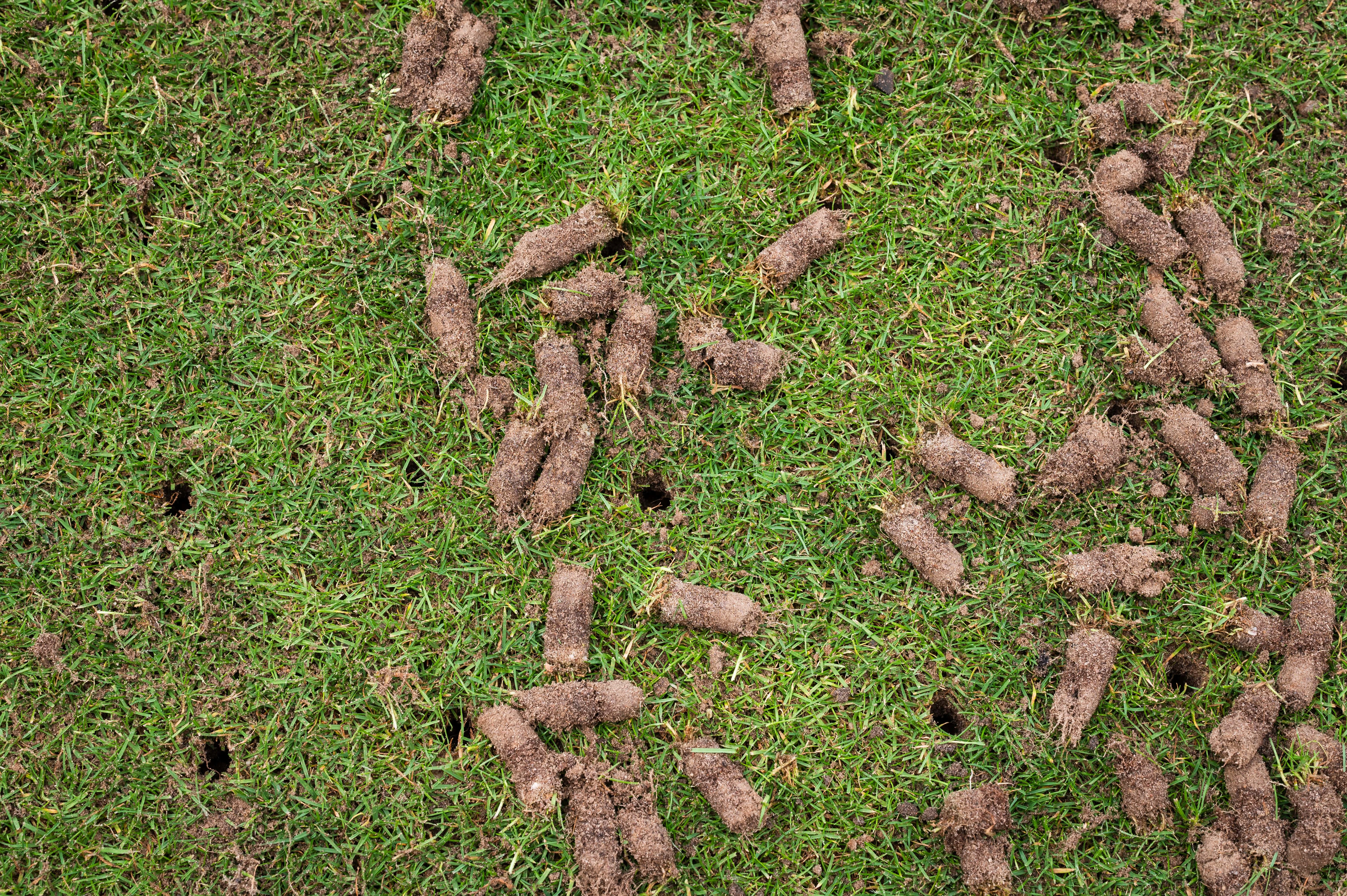
Lawn aeration pulls small plugs of soil out of the ground so air, water, and nutrients can reach the root zone. On compacted clay, this is one of the best things you can do. Most Front Range lawns benefit from aeration at least once a year, usually in spring or fall when the grass is actively growing. If your lawn gets heavy foot traffic from kids, pets, or regular use, aeration makes an even bigger difference.
What Aeration Does for Your Yard
After aeration, water soaks in instead of pooling on the surface. Fertilizer reaches roots more evenly. Grass fills in thicker over the following weeks because roots have room to grow deeper. You can do it yourself with a rental machine for a small yard, but professional equipment covers the lawn faster and pulls deeper plugs on tough clay.
Address Alkaline Soil With Sulfur
When a soil test shows high pH, a sulfur treatment can help lower it over time. Sulfur works slowly as soil bacteria break it down, so this is not an overnight fix. Applied correctly in early spring, it helps unlock iron and other nutrients that alkaline clay often traps. Many yellow lawns on the Front Range respond well to sulfur combined with proper fertilization.
Feed the Soil, Not Just the Grass
A balanced lawn fertilization program gives your turf the nitrogen, phosphorus, and potassium it needs for steady growth. In Colorado, timing matters. A light feeding in early spring supports green up without pushing growth so fast that the grass is vulnerable to a late frost. Organic compost spread thinly after aeration can also improve soil structure over time, though it works best as part of a longer term plan.
Signs Your Soil Is Improving
- Water soaks in within a few minutes instead of running off
- Grass holds a richer green color through the summer
- Footprints bounce back instead of leaving flat, wilted marks
- Fewer bare patches and less moss or algae in shady spots
When to Call a Professional
Small yards with mild compaction can be managed with do it yourself aeration and a good fertilizer schedule. Larger lawns, heavy clay, or yards that have looked tired for years usually benefit from a professional assessment. We can test your soil, aerate efficiently, and set up a sulfur and fertilization plan matched to your property.
Healthy soil is the foundation for a lawn that looks good and holds up through our dry summers and cold winters. Ready to give your yard a better start this season? Contact us to schedule aeration, sulfur treatments, or a full lawn care consultation.