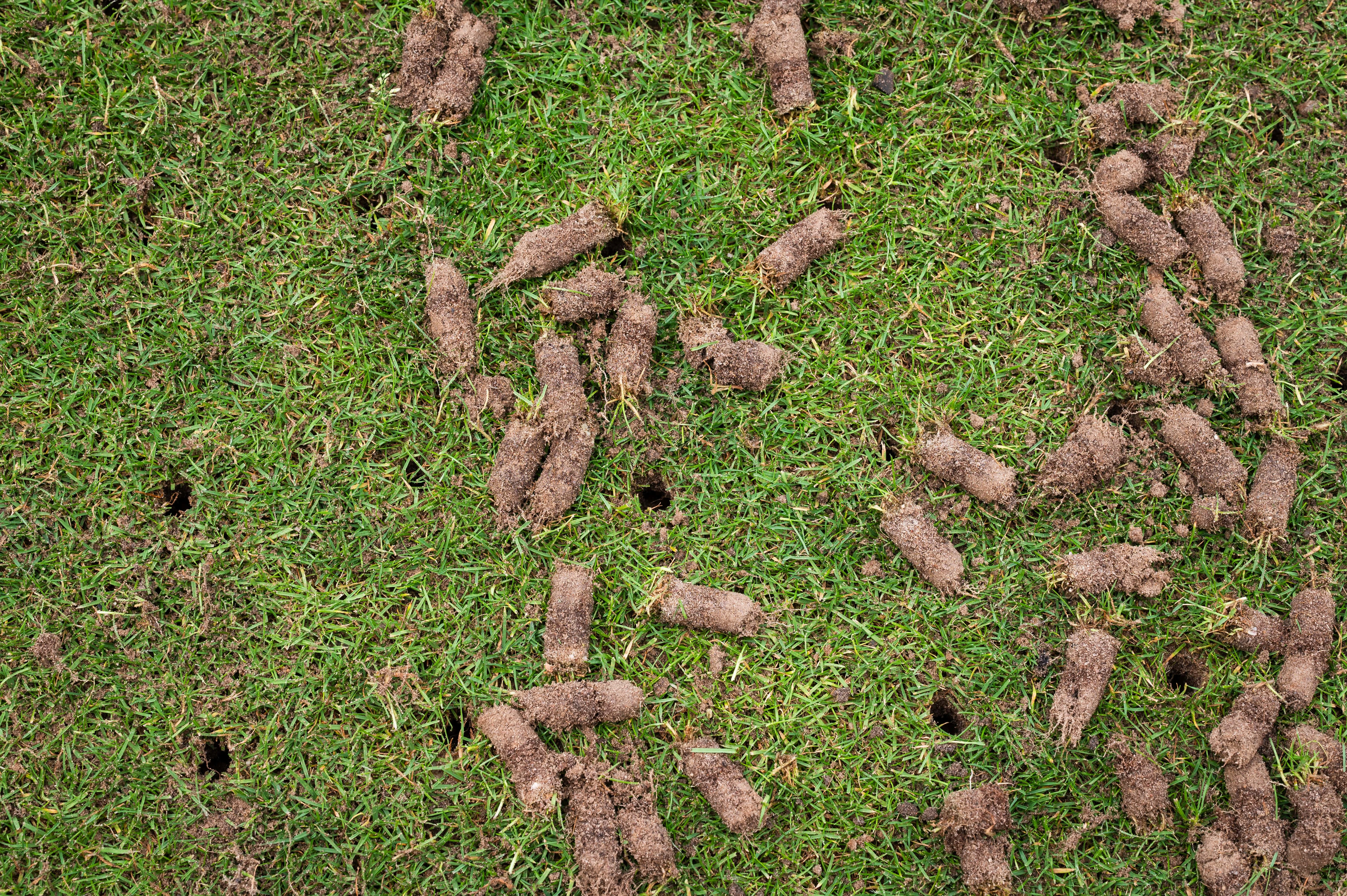

The calendar says May while your thermostat still argues with itself before sunrise. Afternoons along the Denver metro already bake south walls and patio corners, yet a cool night can leave footprints visible on turf that looked plush at dinner. That swing is ordinary here, and it is why May lawns collect contradictory advice from neighbors who only see one time of day on their own street.
Weston Landscape & Design maintains lawns and irrigation across Denver, Aurora, Lakewood, and surrounding communities. This article explains how May temperature swings show up in mowing habits, watering decisions, and the first weeks guests judge your grass.
Cool nights slow what hot afternoons promise
Soil temperature lags air temperature on the Front Range. Taller turf shades soil, holds moisture longer, and tolerates foot traffic better when Memorial season weekends arrive.
That rhythm connects to April soil thaw rhythm on Denver area lawns, thaw drama fades in May, but night cold has not left the conversation.
Why mower stripes can mislead
Stripes are a snapshot of blade direction and turf health, not a full report card. On cool mornings, dew and stiff blades exaggerate contrast. By afternoon the same lawn can look softer and more uniform as cells fill with water and sun hits at a different angle.
A steady lawn mowing schedule at roughly three inches beats alternating scalping with rescue watering. Sharp blades matter as much as height, torn tips lose water faster on dry afternoon downslope lots common across the metro.
Watering evidence versus guesswork
Short nightly misting keeps roots shallow and encourages fungus when nights stay cool and humid near fences and walls. Copying July minutes into May because the patio felt hot at four o'clock usually wastes water on shade and starves hot south strips.
Before you touch the controller, read when to start watering your lawn in Denver and walk the lawn once at dusk after a cycle. Our spring irrigation startup guide explains what a professional irrigation startup should verify before you rely on the clock every week.
South walls and uneven color
Not every brown patch is drought. Reflected heat from garage walls and fences dries narrow areas first. Compare those areas only to similar sun on your lot, as we outline in south wall heat and dry lawn strips.
Cool nights can make hot strips look worse at breakfast than at sunset because roots never fully recharged. Fertilizer on dry spots without fixing coverage buys a brief green flush and a summer redo. Once water and mowing rhythm are stable, lawn fertilization on a program supports color without pushing tender growth into a late cold night.
Guests read edges before center turf
Mulch depth, crisp bed lines, and clean walks carry the photo from the driveway. See choosing the right mulch for your Colorado garden when bark looks tired beside walks.
Small lot softscape planning explains circulation before you buy color. For Memorial season wear, Memorial long weekends and patio traffic describes how chairs reveal weak zones.
Grubs versus weather swings
May damage is often environmental before it is insect-related. Patchy patterns that follow shade lines, wall heat, or overlap gaps differ from random dig marks or turf that lifts like carpet. See grub damage signs when you are unsure.
Grub control belongs in a plan when history supports it, not as a default response to a cool week that slowed growth.
Wind, downspouts, and edge cases
May wind along open lots dries leaf surfaces even when soil moisture is adequate below. Brown grass beside a downspout is a drainage issue, follow roof water to the lowest spot before you add minutes to the entire clock.
Consistency beats heroics in May
When irrigation, mowing, and bed care align, the lawn catches up to the calendar without shock. Getting your Denver yard ready for summer lines up next chores once night cold eases.
If lighting and sprinklers share a side yard, see outdoor lighting and irrigation conflicts. Contact Weston Landscape & Design with dates and photos of thin spots, controller screens, and south exposures before the next hosted weekend.