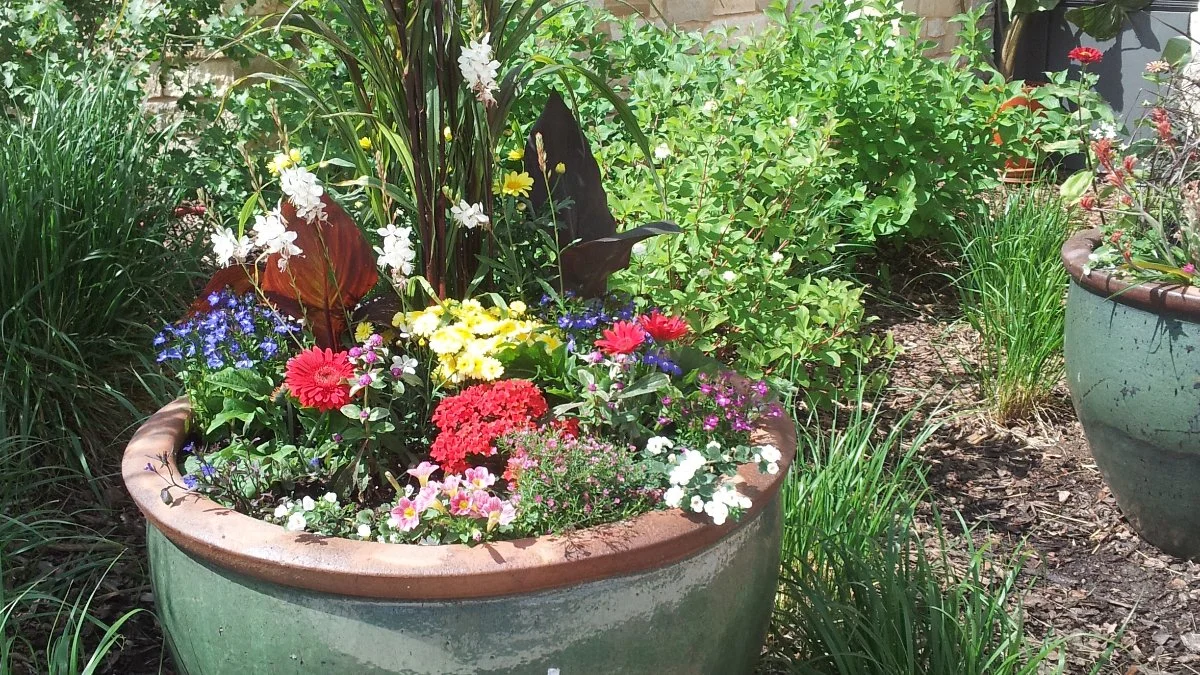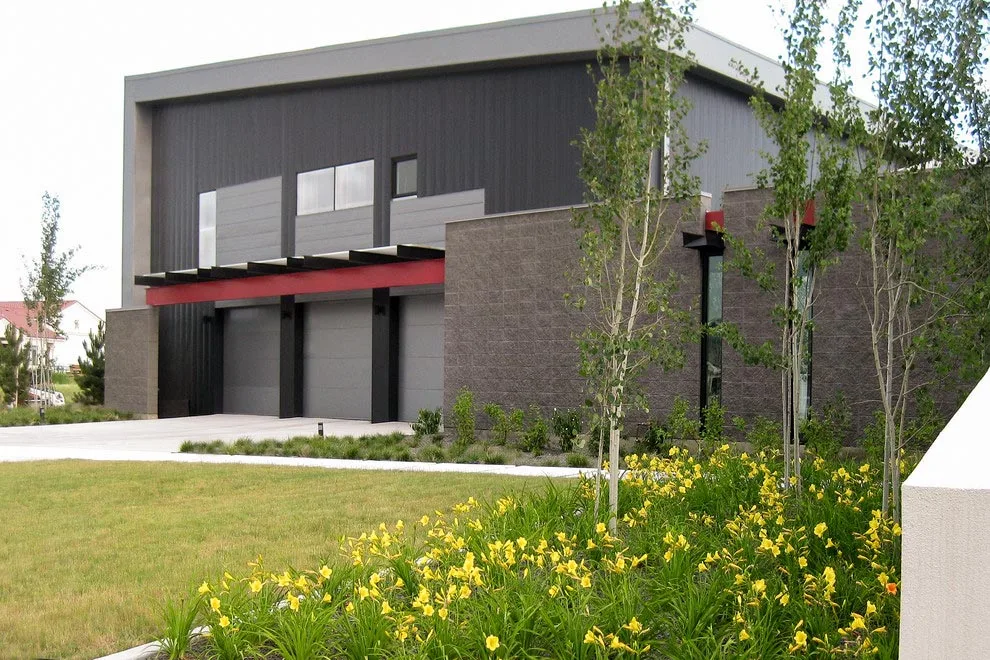
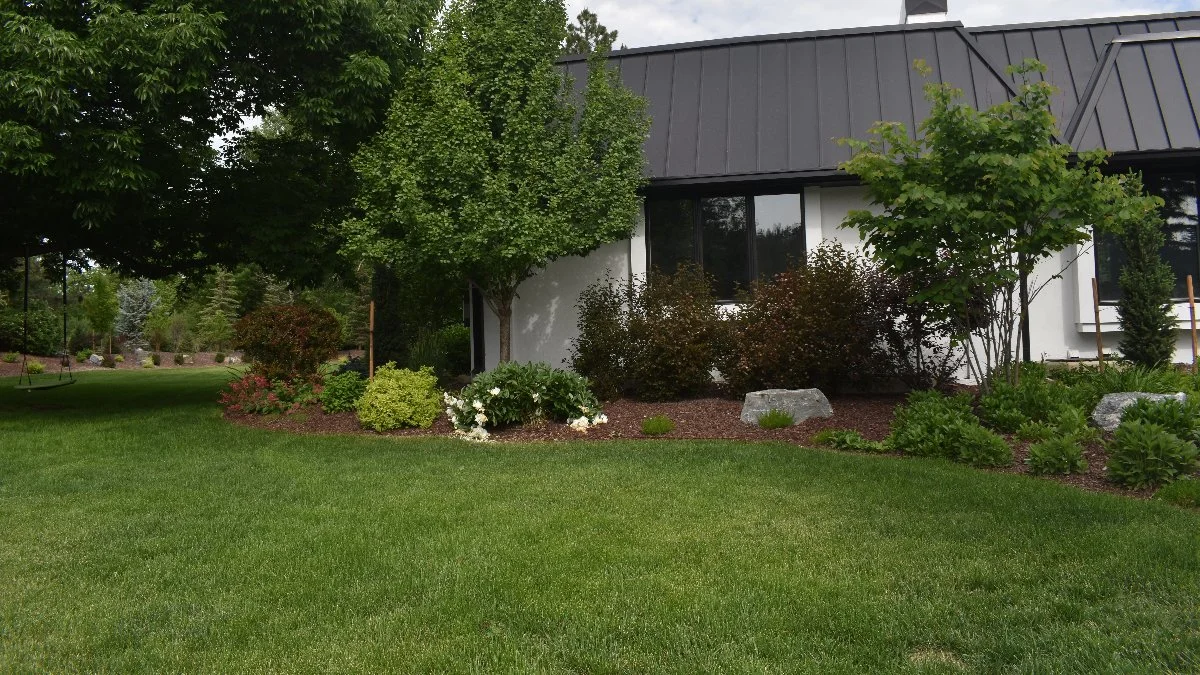
By late May and early June in the Denver metro, the grass is growing, the last frost is behind us, and the real heat has not quite arrived. That window is the best time to get your yard in shape for summer. Homeowners in Greenwood Village, Castle Pines, and across the Front Range who tackle a few key tasks now usually have an easier time keeping the lawn green, the beds tidy, and the sprinklers running smoothly when the temperatures climb and the sun gets intense.
Weston Landscape & Design has been helping Denver area families maintain their landscapes since 2003. Here is a practical list of what to do now so your yard is ready for the long, hot season ahead.
Get the Lawn on a Steady Schedule
Once the grass is actively growing, stick to a regular mowing routine. For most Front Range lawns, that means mowing about once a week and leaving the blade high: three inches or so. Taller grass shades the soil, holds moisture better, and stands up to heat and foot traffic. Never remove more than about one third of the blade in a single cut; if the lawn got ahead of you, raise the mower and take it down over two passes. Keep the mower blade sharp so you are cutting, not tearing. A consistent lawn mowing schedule is one of the best things you can do for a healthy, green yard all summer.
Water Deep and on a Schedule
Your irrigation system should already be up and running by now. If not, schedule an irrigation startup so a pro can check for leaks, broken heads, and coverage before you rely on it every week. Most Denver area lawns do best with about one to one and a half inches of water per week, including rain, spread over two or three watering days. Water in the early morning so the grass has time to dry before evening and you lose less to evaporation. As the weather heats up, watch for dry spots and adjust run times if needed; do not simply run the system longer every day or you risk overwatering and wasting water.
Freshen Beds and Borders
Weeds take off in late spring. Stay on top of them by pulling or hoeing when they are small so they do not set seed. A fresh layer of mulch in planting beds keeps the soil cooler, holds moisture, and cuts down on weeds. Two to three inches of mulch is enough; keep it a few inches away from plant stems and tree trunks. If you have not refreshed mulch in a while, mulch installation can give your beds a clean look and reduce watering and weeding for the rest of the season.
Feed the Lawn and Plants
Spring fertilizer has likely already been applied. As you move into summer, follow a plan that matches your grass type and soil. Do not overdo it in the heat; too much fertilizer when it is hot can stress the lawn. For flowers and shrubs, a balanced feed or a slow release product applied according to the label will support blooming and growth. If you are not sure how much or when to feed, a lawn fertilization program takes the guesswork out and keeps the turf green without burning.
Check Edges and Hard Surfaces
Clean edges where the lawn meets beds and walkways make the whole yard look cared for. Run an edger along driveways and paths and trim the grass that creeps into mulch or gravel. Sweep or blow off patios and decks so they are ready for outdoor use. If you have drainage issues or low spots that hold water after rain, address those now so you are not dealing with standing water and mosquitoes when summer storms hit.
Inspect Trees and Shrubs
Look for dead or broken branches that could fall in a storm. Remove them yourself if they are within reach and small, or call a pro for anything high or heavy. Shrubs that have finished flowering can be lightly pruned to shape them and remove spent blooms. Do not do heavy pruning in the heat; plants are already under stress from the sun and dry air.
Plan for the Peak of Summer
Once we hit July and August, the Front Range can go weeks with little rain and temperatures in the nineties. Lawns and gardens that are already on a good mowing, watering, and feeding schedule will hold up much better. If you know you will be away or busy, consider lining up garden maintenance or a landscape maintenance visit so the yard does not get ahead of you. A little effort in late spring pays off all summer long.
A Short Checklist to Use Now
- Mow regularly at three inches and keep the blade sharp.
- Confirm the irrigation system is running and set for one to one and a half inches per week, early in the morning.
- Weed beds and add or refresh mulch to two to three inches.
- Feed the lawn and plants according to a plan, without overdoing it in the heat.
- Edge along driveways and paths; tidy patios and decks.
- Remove dead or broken branches from trees and shrubs.
Getting your Denver yard ready for summer is mostly about consistency: mowing, watering, weeding, and feeding on a schedule that fits the Front Range. If you want help with irrigation, mulch, mowing, or a full maintenance plan, contact us. We serve Denver, Englewood, Littleton, Cherry Hills Village, and the surrounding metro area and would be glad to help.