This dry summer sets the pace for Lakewood lawns more than a generic spring checklist. If you are on Denver Water Stage 1, outdoor watering usually falls on assigned days, often two days a week, and only during cooler hours. Confirm your provider's schedule before you rewrite the clock. Other west metro utilities may publish different day lists. This guide is for homeowners in Lakewood, Englewood, Cherry Hills, and nearby neighborhoods where Weston Landscape & Design works every week. Clay soil, mixed sun, and one shared controller mean small zone changes beat turning up the whole system.
Honest coverage, cycle soak on clay, and quick leak fixes beat guessing from the driveway. If dry patches, soft ribbons from roof leaders, or standing trays compete for attention, start with our dry summer yard symptom quiz. When leaders dump on turf while open strips stay thirsty, read downspout runoff on clay lawns before you add sprinkler minutes.
Know your watering days, then check the yard
Write down which days and hours you may water. Then list which zones run on those days. A tuned system can still hit weekly root depth when you can only water a couple days a week. Running every zone longer because one hot strip looked dry at lunch usually floods shade and wastes water on clay. If soil two inches down is already moist on a scheduled day, skipping that cycle is often smarter than inventing extra days. Confirm your provider's skip guidance.
Book irrigation startup or a tune-up when heads have not been verified since winter. Persistent dry patches deserve irrigation repair. Fix leaks quickly. Mist on pavement and short throw waste runtime you cannot easily replace midweek.
Cycle soak matters on Front Range clay: shorter runs with soak time between them so water sinks instead of sheeting off. Change one zone, wait two days, and check the strip that looked thirsty before you touch the next valve.
Label sun and shade on your own lot
Walk once at dusk after sprinklers run on a watering day. Label zones by sun: open west-facing turf, tree shade, fence shade, and strips along concrete that hold heat. A dry edge along the driveway may need aim fixes while a north corner still holds moisture from overspray. Keep those labels in a phone note so you remember which strip is which after the next hot stretch.
Compare trouble only to similar layout on your property. Grass that looks stressed in the morning but recovers by evening is not always a watering problem. Cool nights and hot afternoons pull in different directions on the same valve across much of the west metro. Probe soil two inches down before you raise seasonal adjustment on every zone.
Weekly depth targets for the Front Range matter more than last-minute hosting panic. Aim for moisture at the roots without flooding shade pockets. Lakewood lots with mature street trees often hide that split in one curb photo. A dry south strip beside a soggy north corner usually means two exposures on one valve, not one bad lawn.
Take photos from the same spots after each watering day. Side yards, berms, and fence lines change faster than center turf. Those shots help you and your crew see what the street view misses.
Mowing and fertilization this dry summer
Once water matches exposure, lawn fertilization on a program supports color without pushing tender growth into a heat spike. Compaction on clay makes dry-weather stress worse. When water runs off instead of soaking, plan core aeration for the right season and flag dog paths for targeted work. Feed on dry soil rarely helps and can burn stressed turf beside a soft overspray ribbon.
Hold off on heavy feed until roof leaders and spray coverage are right on the same lot. Fertilizer on soggy clay near a downspout ribbon invites fungus. Fertilizer on a dry patch that never got spray wastes product and burns crowns.
Beds, mulch, and trees
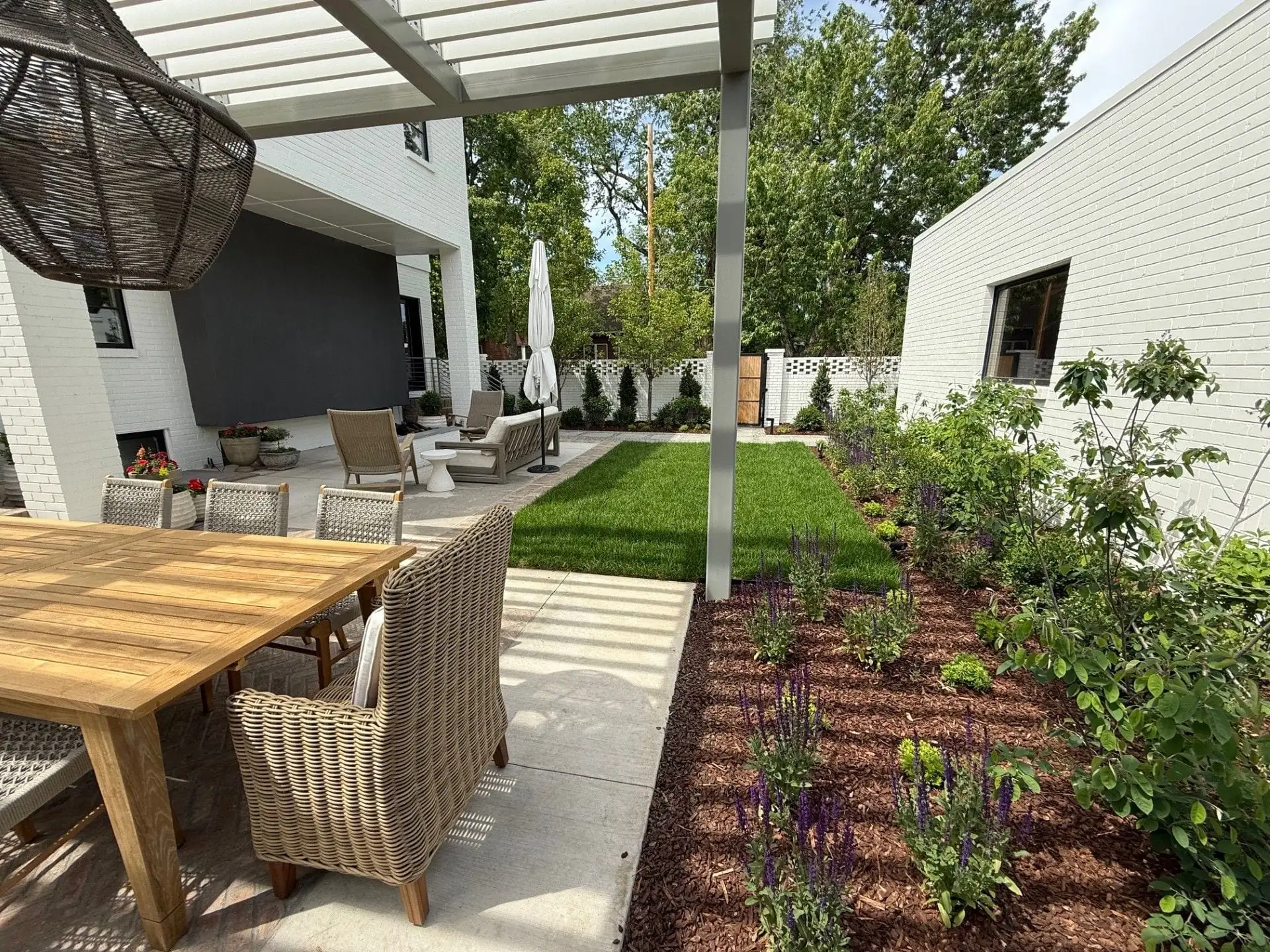
Guests notice crisp bed lines before they study center turf. Purposeful mulch installation aligned with head checks keeps edges intentional while lawn catches up. Aim for an even two to three inch layer kept off stems and trunks so bare clay does not crust between watering days.
Garden maintenance keeps shrubs from blocking spray and crowding walks before peak traffic. Mature trees often share valves with turf beneath driplines. Note which heads water roots versus grass so feed and water match when you only run a few days a week. Thin canopy work and bed cleanup belong on the same calendar as irrigation checks when shade and sun share one controller.
Tree roots and turf roots compete for the same moisture on many Lakewood lots. If grass thins under a mature canopy, check shade and coverage before you blame insects alone. Sometimes the fix is aim, sometimes it is accepting thinner turf under heavy shade.
Outdoor living that still looks cared for
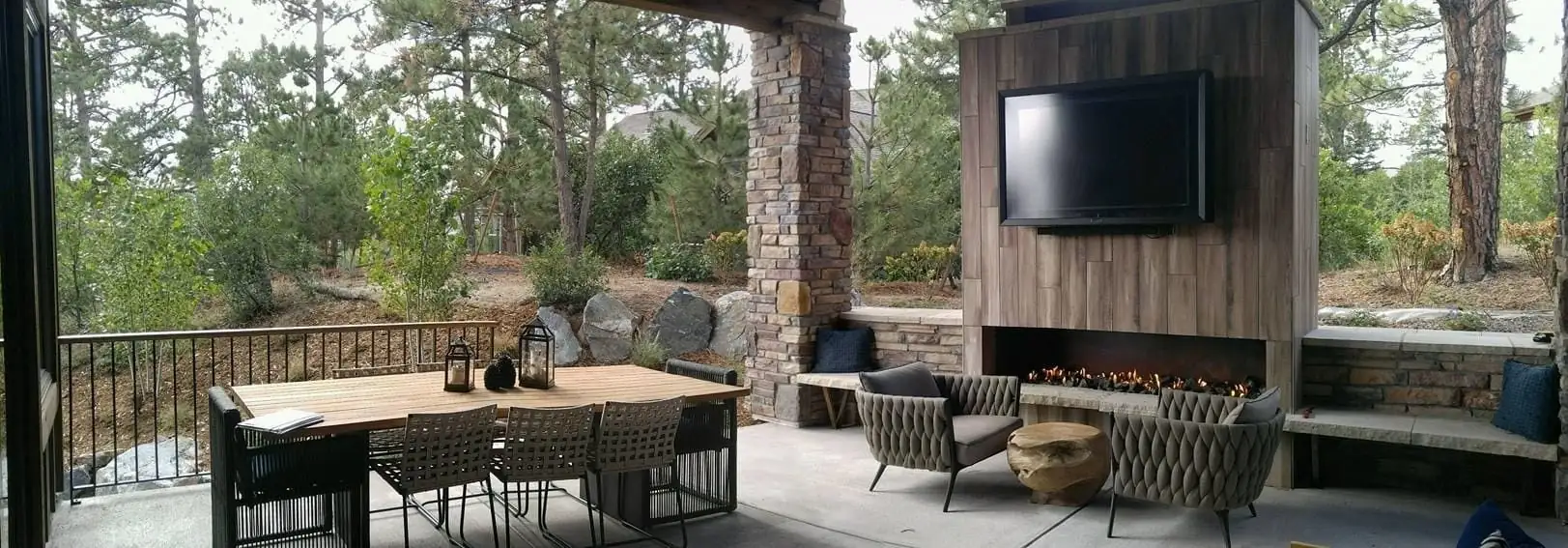
Patios, grills, and play sets sit in the same view as stressed turf on many Lakewood lots. Layout questions deserve a clear conversation when people avoid a corner for glare, bugs, or soft ground from overspray. Empty saucers, birdbaths, and low pot rims when you adjust sprinklers. Standing water beside dry turf feeds mosquitoes without helping grass recover.
Mosquito control pairs with breeding-site cleanup when evenings move outdoors. List the spots where water sits for more than a day. Those are often the same corners where kids stop playing after dusk.
Grubs and thin turf without default panic
Soft brown patches that lift like carpet may be grubs, not thirst. Check those areas before you raise every zone on your next watering day. Dry stress and insects can sit side by side on the same lot.
What to bring when you call
Photos of stressed zones, valve boxes, and patio areas speed scheduling. Note your assigned watering days and hosting dates when you contact Weston Landscape & Design or call (303) 944-7495 so visits respect your calendar. Bring shots of dry patches next to soft ribbons when both show up on the same lot. That evidence helps drainage, irrigation, and lawn visits build on each other instead of undoing last month's fix.
Most Lakewood lots need more than one service over a dry season. The goal is a plan where each visit improves how the yard looks and holds water, not a one-time controller bump.

.webp)