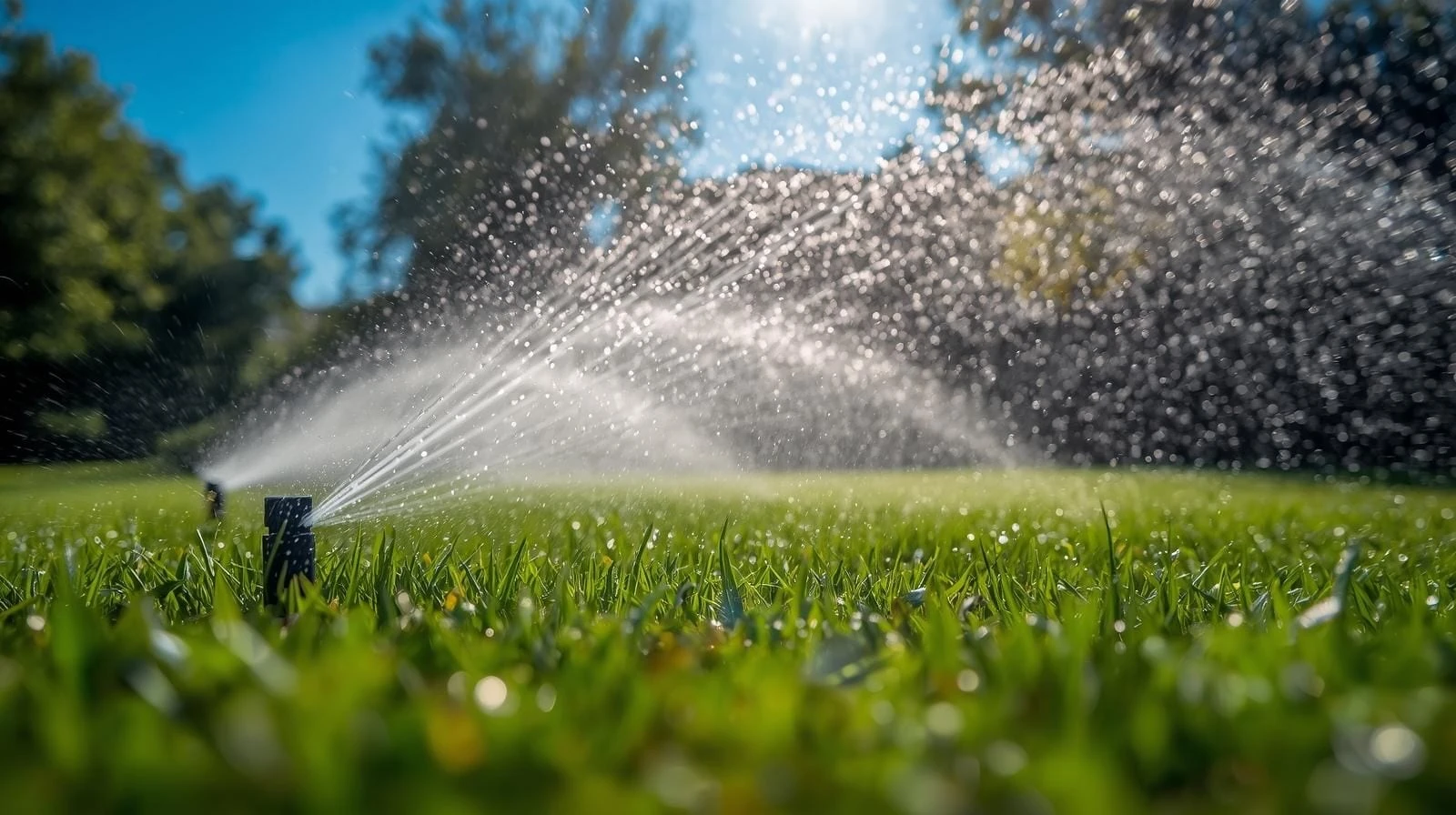
Roof leaders that dump mid lawn still carve soft ribbons through Front Range clay while open sunny turf a few feet away stays thirsty. Homeowners turn up the controller. The wet ribbon gets wetter. The dry strip stays dry. When you can only water a couple days a week under Denver Water Stage 1 or similar metro rules, that pattern puts spray on the wrong ground. Weston Landscape & Design sees it from Lakewood to Centennial whenever irrigation and roof discharge fight on the same lot.
Check downspout runoff on clay before you treat the whole yard like a sprinkler problem. For a quick sort of yard symptoms this dry summer, take our dry summer yard symptom quiz. Lakewood homeowners can also use the Lakewood lawn and watering guide for a wider check that starts with assigned days and cool-hour rules.
What a wet ribbon usually means
A dark, soft band that follows a downspout path after a watering day is roof water, not proof that the nearest zone needs more minutes. Clay holds that moisture near the surface. Roots in the ribbon stay soggy while crowns a few feet upslope stay dry. Mower wheels then compress the soft band and widen the next sheet across the lawn. You lose twice: once where the leader dumps, and again when you bump the clock on ground that already holds too much.
Walk the property the morning after a watering day, before you change the clock. Mark where water left the leader, where it crossed turf, and where it ponded. Photograph the ribbon next to the nearest head so you can separate roof flow from spray coverage later. Note how long the band stays soft. Clay that remains mushy for two or three days is a drainage problem first.
The ribbon often looks greener at first because wet clay feeds surface growth. By midseason that same band can thin out from compaction, fungus, or foot traffic through soft soil. Fixing the downspout path early keeps you from chasing color with more irrigation on ground that should not soak up your watering runtime.
Extend leaders so dry strips can get spray
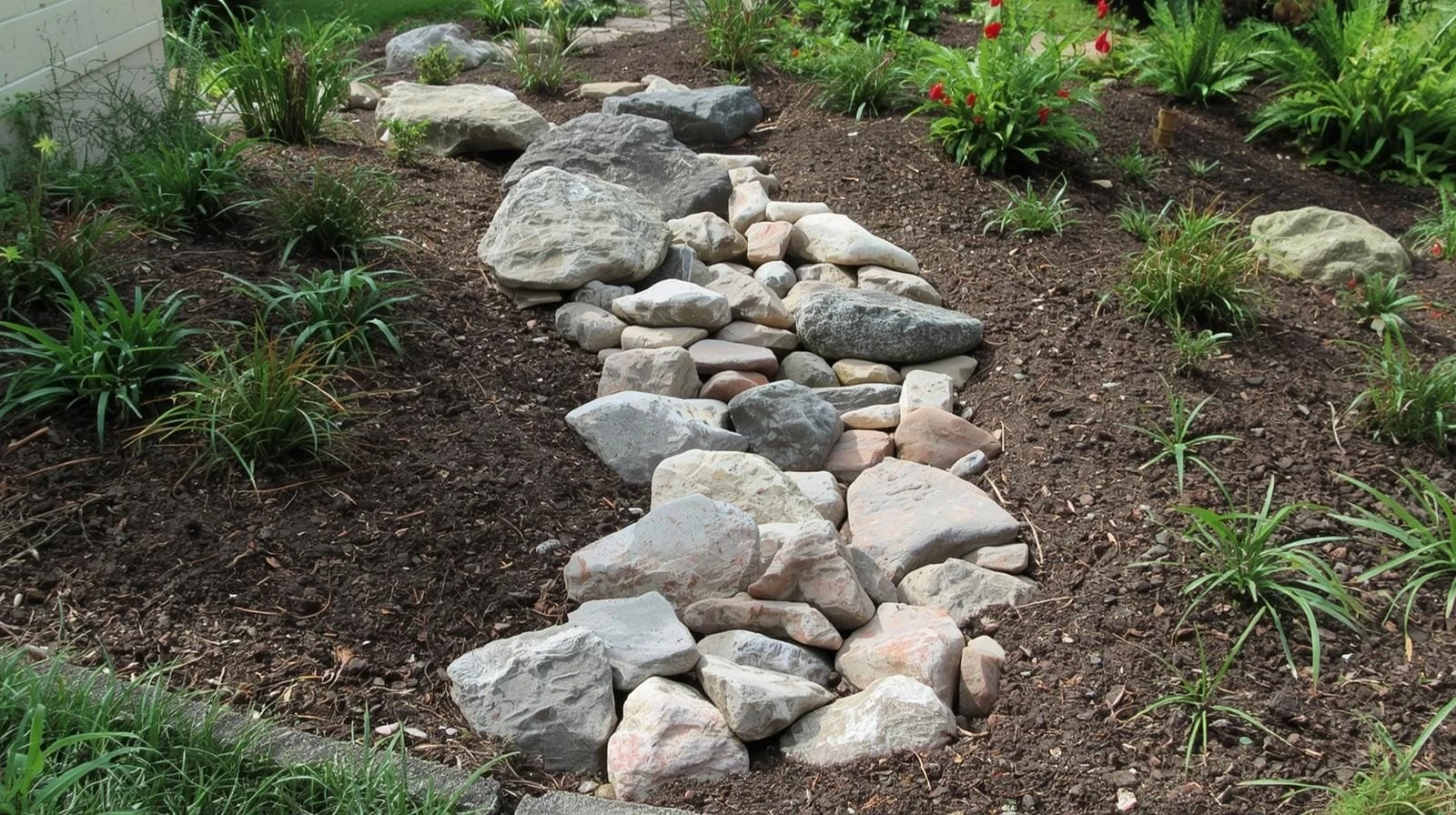
Move roof water onto hardscape or a safe discharge point that does not carve through turf. Extensions, splash blocks, and buried drains are common fixes when leaders dump mid lawn. Fixing the path protects clay turf and lets your watering days serve dry strips that actually need spray.
Clay already drains slowly. Adding overlap on a zone that already receives roof water invites fungus, shallow roots, and mosquitoes in the same corner that looked dry from the driveway two days earlier. Open west strips may still need correct coverage. Those strips deserve their own zone walk, not turning up the whole system and flooding the ribbon.
Book irrigation startup or a tune-up when heads have not been verified since winter. Persistent dry patches away from downspouts deserve irrigation repair. Weekly depth targets for Front Range clay beat light sprays that never reach roots on the dry side of the lot. Change one zone, wait two days, and check the strip that never shared the ribbon before you touch the next valve.
Probe soil two inches down on both sides of the ribbon. Soggy clay beside dry crowns is your sign to pause the clock bump and walk roof water first. Dry probes on open west turf with no downspout nearby point to coverage, not drainage. If the ribbon is already soft on a scheduled watering day, skipping that zone while you fix the leader is often the better call.
Mowing, feed, and soft ribbons
Keep lawn mowing at a steady height. Scalping a soft ribbon for a weekend photo weakens crowns that already sit in wet clay. Sharp blades matter when grass looks lush in one band and thin beside it. Raise the deck if wheels sink and tear the soft path.
Once drainage and coverage match on the same lot, lawn fertilization on a program supports color without pushing soft growth into heat. When water sheets off packed clay instead of soaking, plan core aeration for the proper season. Compaction along the ribbon path is a soil problem, not a feed problem. If turf lifts like carpet away from the wet band, check for insects before you blame roof water alone.
Stay off the soft ribbon when you can. Dog paths and mower ruts through wet clay pack the soil and widen the sheet path. Flag the soft band until it firms up so family traffic does not make the ribbon permanent.
Beds, mulch, and mosquito leftovers
Garden maintenance clears debris that blocks extensions and keeps shrubs from trapping moisture against foundations. Empty saucers and birdbaths the same day you walk the ribbon. Standing water beside a soggy toe feeds mosquitoes without helping turf. Mosquito control pairs with breeding-site cleanup when evenings move outdoors.
Low spots beside patios and play areas often collect both roof runoff and irrigation overspray. Fixing the leader path and checking head aim on the same visit clears two breeding sources at once and stops putting water on the wrong ground.
When to call
Call when ribbons return after every watering day, when foundation edges stay soft for days, or when dry strips and wet toes show up in the same photo. Bring wide shots of the downspout path, close shots of ponding, and notes on which zones run on your assigned watering days. List which leaders already have extensions and which still dump on lawn. That detail saves a second trip.
Contact Weston Landscape & Design or call (303) 944-7495 across the Denver metro. The yard holds up better once roof water stops soaking one ribbon while dry clay turf stays thirsty. Fix drainage first, then coverage, then feed and mowing on a rhythm that matches what the soil can actually hold.