.webp)
Open west faces on berm lots toward the prairie often brown before tree shade and fence lines show stress. Center turf can still photograph well while the west-facing crown crisps between assigned watering days and north pockets stay soft from overspray. Brown patches on those lots rarely share one cause. Some trace to sprinklers that miss the berm toe on the few days you may water. Others follow grubs, mower compaction, or fungus in fence shade. Weston Landscape & Design walks these patterns across Ken Caryl, Castle Pines, and Roxborough Park every dry summer. This piece helps you separate stories before treating the whole yard from the driveway.
Read brown patches by shape and location
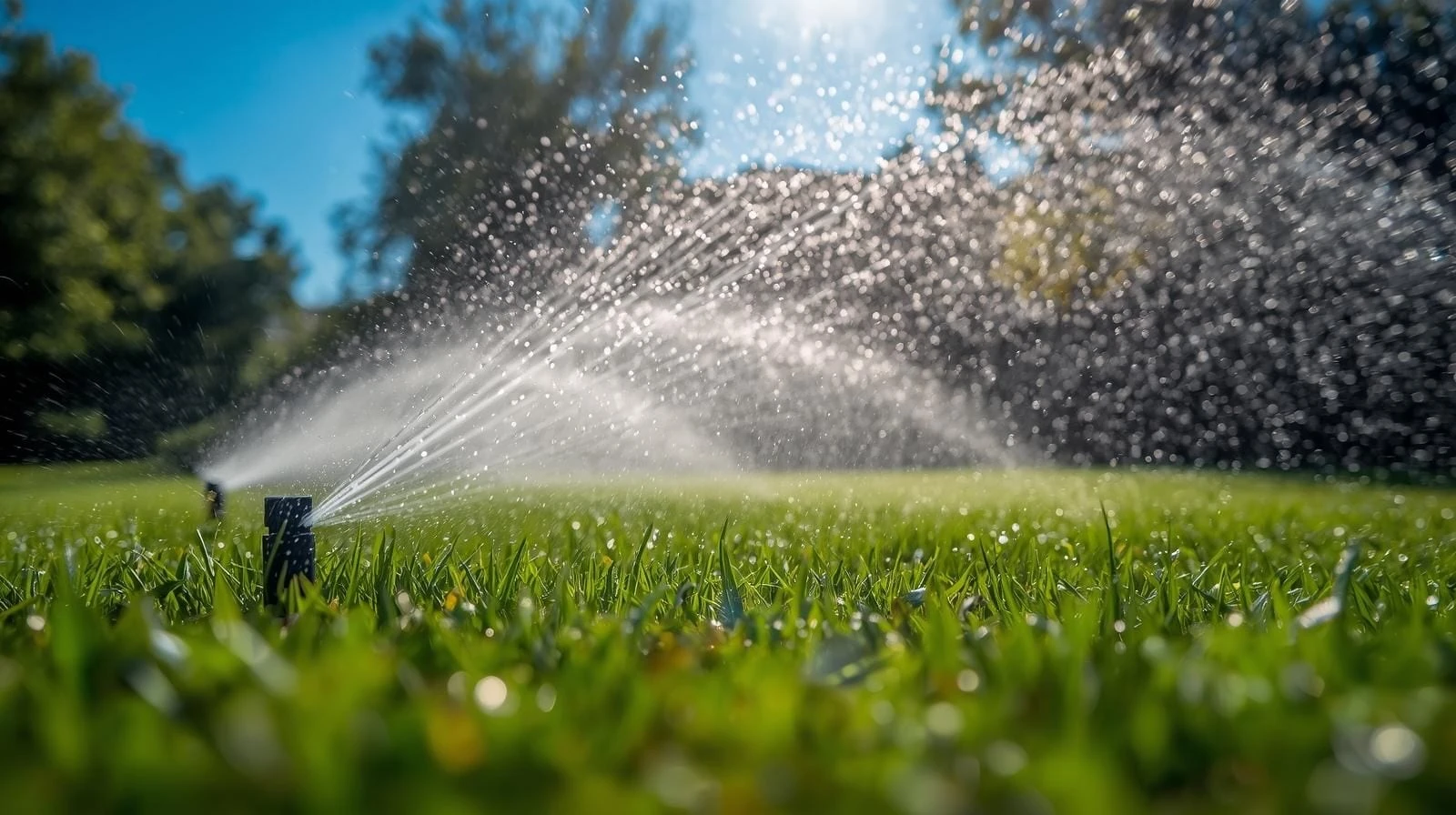
Greasy irregular edges in shade suggest fungus. Turf that lifts like carpet suggests grubs. Crispy uniform patches on the open west crown often mean spray missed that band while the controller still treats it like fence shade. Walk the dry patch during its zone at dusk on a watering day and record whether spray reaches the berm toe.
Compare trouble only to similar sun on your lot. Our guide to grub damage signs helps when you are unsure. Do not assume insects until you rule out coverage and heat on the open face.
Check coverage before adding minutes
Confirm your provider's outdoor watering days and cool-hour rules. Hand-water the worst west band for one week and record hose time while you watch the zone that should feed it. If color returns only where the hose reached, sprinklers lead the story. See when to start watering your lawn in Denver and first sustained heat and irrigation checks before you turn up the whole system.
Irrigation startups and irrigation repair catch overlap gaps on berms where gravity pulls water downhill before roots absorb it. Cycle soak helps clay hold what you apply when you only water a couple days a week. Evening wind toward open prairie dries leaves even when soil moisture below looks adequate after a watering day.
Shade pockets on the same valve
North and east pockets on one valve may stay moist while west-facing turf bakes. Adjust one exposure, wait forty-eight hours, read the stressed band, then touch the next zone. Turning up the whole system usually overwaters shade, invites fungus near fences, and puts water where the yard already holds enough. Read cool nights and hot days on the same lot when morning recovery lag is not always thirst.
Spring irrigation startup in Colorado defines what should already be verified after winter. Downspouts that dump on low berm toes create a different pattern than open-cap browning. Our drainage guide applies when puddles persist after normal watering cycles.
Mower tracks and thin west edges
Mower wheels tracking the berm crown compress soil quietly while stripes still look crisp from the driveway. Raise the deck on sunny areas and keep blades sharp. Steady lawn mowing at proper height supports roots when heat and equipment traffic stack on the same band.
When water runs off instead of soaking, core aeration in the proper season pairs with irrigation fixes. Once water matches exposure, lawn fertilization on a program supports color without pushing tender growth into heat stress.
Evening use and when to call
West caps that bake all afternoon push evening seating toward shaded corners that may still be overwatered. Mosquito control and empty saucers matter when gatherings move after sunset. Read our outdoor living use quiz when traffic crosses the same dry band every night.
Garden maintenance on yard borders keeps shrubs from blocking spray on bands that already lag behind open sun. Getting your Denver yard ready for summer aligns chores once heat settles on berm geometry.
Spreading patches, lifted turf, or several symptoms at once deserve eyes on the lot. Send wide shots of the west cap, close shots of patch edges, photos of nearest heads, and your assigned watering days. Contact Weston Landscape & Design across the Denver metro when berm browning needs a measured plan.