You watered on schedule, yet a patch keeps fading. You tug at a corner and the turf comes up with almost no roots holding it down. Maybe something dug at night and left a mess along the edge. Those clues together often mean white grubs, the young form of beetles such as the May beetle and Japanese beetle, are feeding under the grass. They are common across the Denver metro, not a sign you failed at yard care.
Weston Landscape & Design treats lawns in Englewood, Sheridan, Columbine, and nearby communities. This article walks through what we look for on site so you can decide whether to watch, adjust care, or bring in a targeted treatment.
What Grubs Actually Do to Grass
Grubs live a few inches under the surface and chew through the fine roots that keep grass anchored and fed. A small population might go unnoticed. When numbers climb, the lawn cannot drink or hold onto soil, so blades wilt and turn straw colored in irregular patches. Damage often shows up in late summer when heat adds stress and grubs are largest. Because the problem starts underground, people sometimes blame sprinklers or fertilizer first.
Signs That Point Toward Grubs
- Spongy turf that feels hollow underfoot before you see brown grass.
- Grass pulls back like a small rug, often with visible white grubs curled in a C shape.
- Nighttime digging from raccoons, skunks, or birds focused on one section of the lawn.
- Patchy dead areas that expand in August or September without obvious spray pattern or pet spots.
Rule Out Lookalike Problems
Drought stress usually follows a pattern tied to sun, slope, or sprinkler coverage. Fungus often shows spots with rings or threads in the morning dew. Pet urine creates crisp circles. Grub damage is more random and comes with weak roots. The sure test is to cut a square foot of turf on three sides, peel it back, and count grubs. If you find more than roughly ten in that small patch, treatment is worth discussing. Fewer than that may still need monitoring if animals keep tearing the lawn.
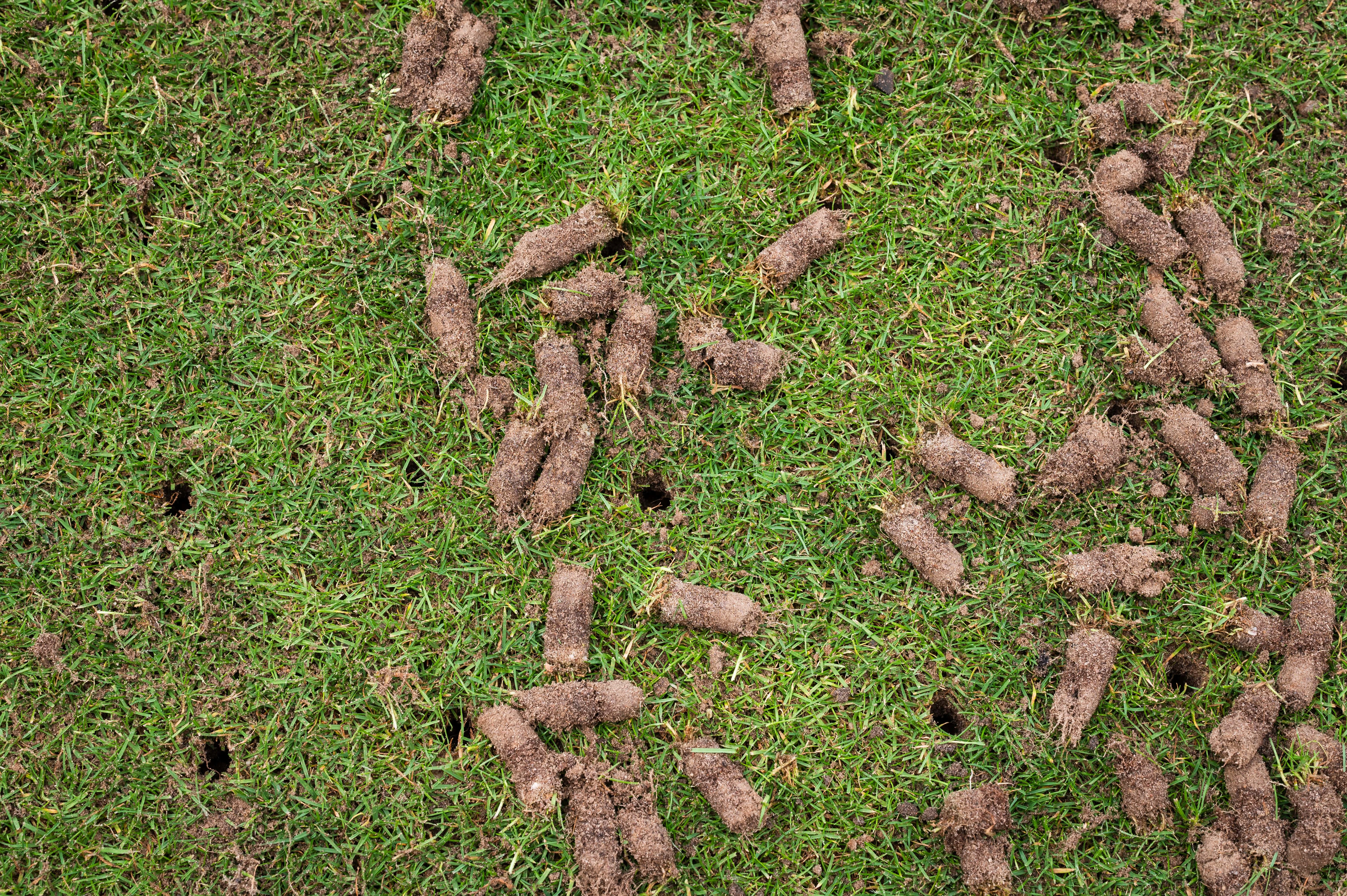
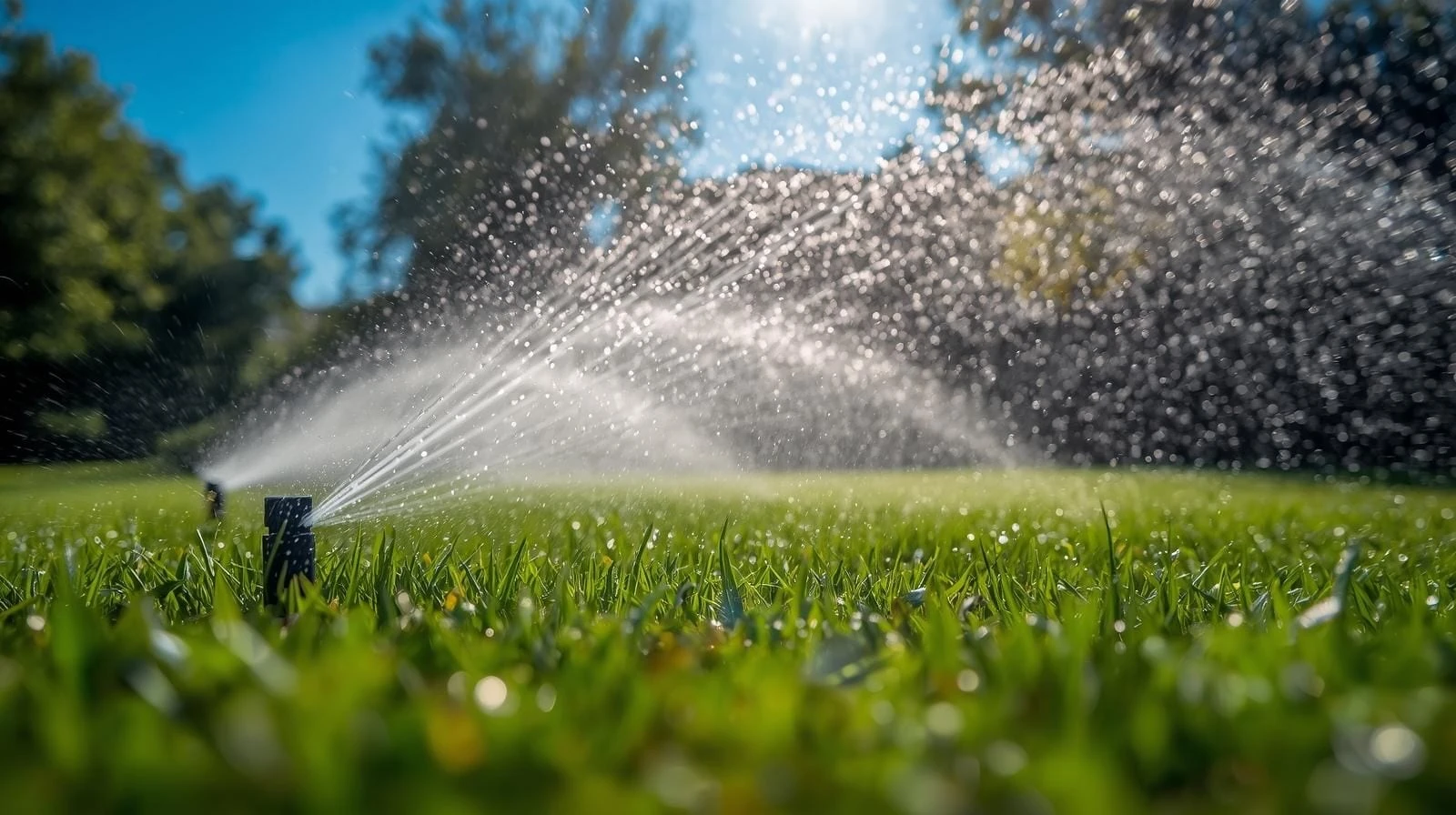
Healthy turf with deep roots tolerates some feeding. Practices that help include mowing tall, about three inches, watering deeply but not every single day, and avoiding heavy nitrogen pushes when the lawn is already stressed. Core aeration on a schedule that fits your grass type can improve air and water movement in tight clay soils common around Lakewood and Dakota Ridge.
How Treatment Fits a Full Lawn Program
Effective grub control is about timing and matching the product to the life stage in your soil, not dumping extra material just in case. Many homeowners prefer a pro because rates, weather windows, and label rules are easy to get wrong with store bought bags meant for a national average climate. Our grub control service sits alongside lawn fertilization and mowing based plans so we are not fighting ourselves with conflicting applications.
Adult beetles lay eggs in summer turf. Those eggs hatch into the white grubs you see when you peel sod. By fall many grubs are still small; by the next summer they are eating heavily. That is why the same lawn can look fine in June and sad by Labor Day. Neighbors who leave large populations untreated can be a source of new beetles, so coordinating care on a cul de sac in Highlands Ranch sometimes helps everyone’s grass.
After Treatment: What to Expect
Grass does not green up overnight. Once feeding stops, existing blades may still look thin while new roots grow. Keep gentle watering and stay off severely damaged areas while they knit back. Severely peeled sections may need reseeding or sod after the problem is under control. If animals ripped large areas, lightly tamp soil back in place before you repair so the grade stays even.
While you wait for recovery, skip aggressive vertical cutting and do not pile on extra fertilizer to force green. Stressed turf burns easily. A steady lawn mowing height around three inches shades soil and helps new roots creep into empty space. If bare patches sit in full sun against a sidewalk in Arvada, consider overseeding in the normal fall window once grub pressure is confirmed gone.
When to Call Weston
If you are unsure whether the issue is grubs, irrigation, or soil compaction, a lawn visit clears it up quickly. We can connect findings to your wider service plan, from fertility to garden maintenance on beds that border the trouble spots. The goal is simple: stable green turf you can walk on without guessing what failed.
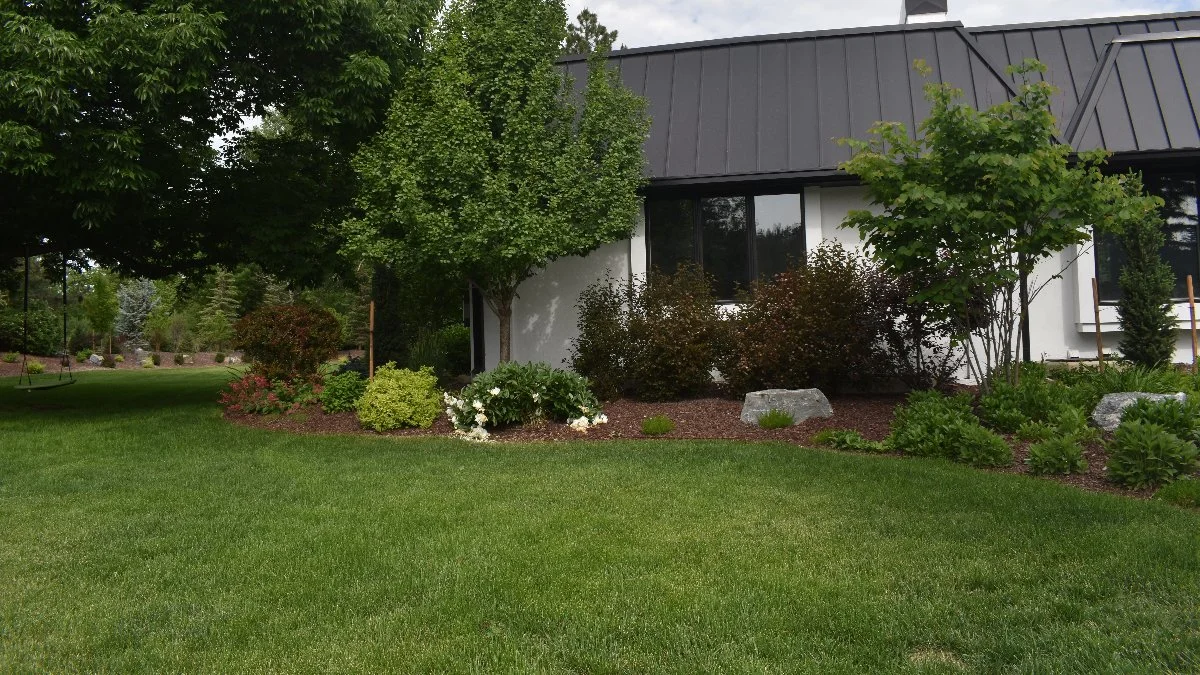
Grubs are a normal piece of Front Range ecology. They only become a crisis when their numbers spike and roots disappear faster than the lawn can replace them. Watch for loose turf, match your watering to deep soak cycles, and get help when counts or animal damage tell you the balance tipped. Contact us for an read on your lawn and options that fit your street in the Denver area.