.webp)
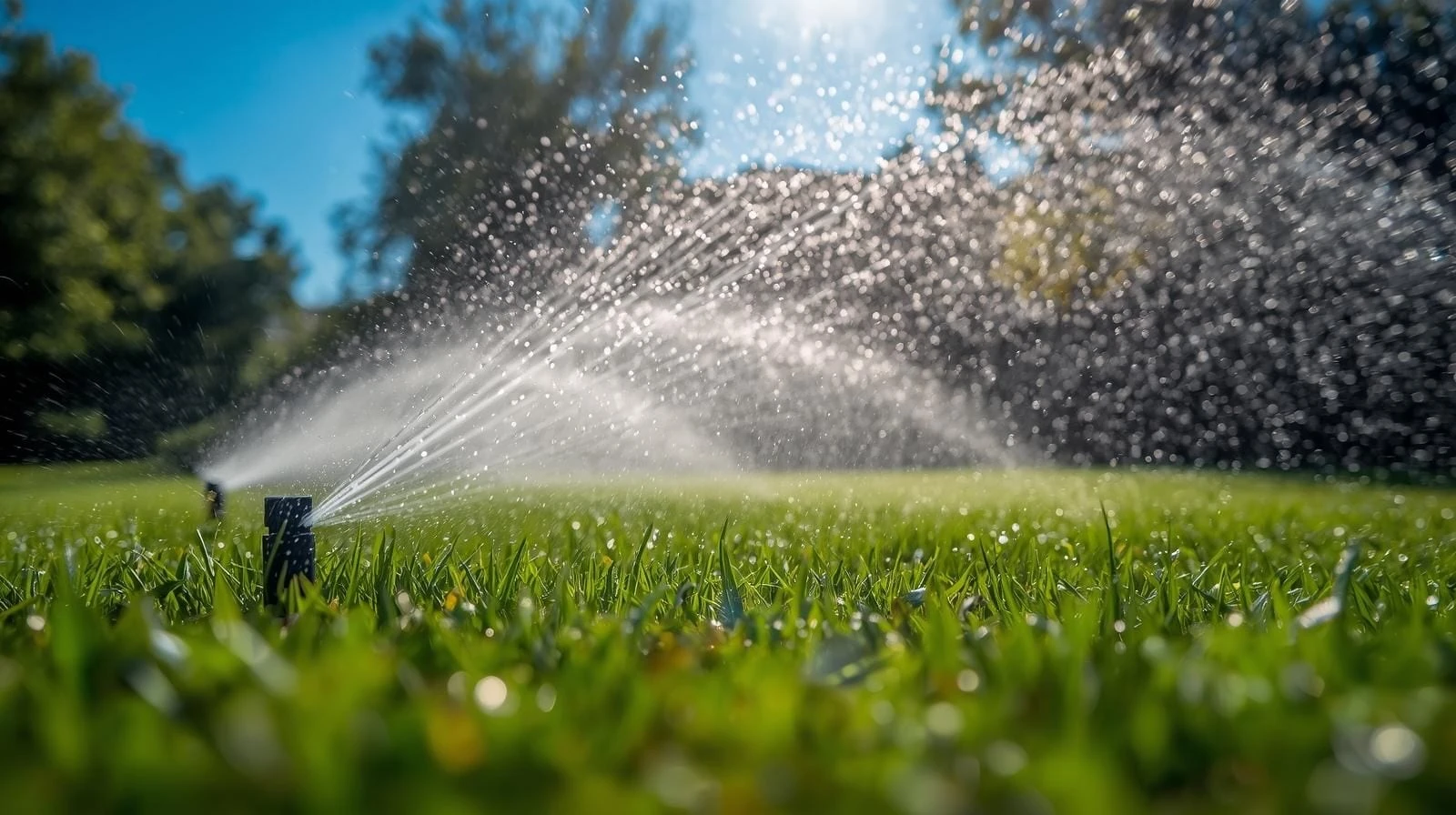
The first stretch of afternoons in the high eighties is a turning point for Denver metro lawns. From the curb, grass can still look fine while strips along the driveway, patio, and south-facing walls go straw-colored by midday. That pattern usually means your watering schedule has not caught up to summer evaporation, not that the whole yard is failing.
Weston Landscape & Design helps homeowners across Aurora, Lakewood, Highlands Ranch, and surrounding communities tune irrigation and lawn care for Colorado heat. Here is a practical walk-through for the first sustained hot spell: what to check, how to adjust your controller, and when professional service makes sense.
Why edges dry out first
Cool-season grass holds spring moisture in the center of the lawn longer than along hot, exposed edges. Concrete, masonry, and open west faces radiate heat into turf that sprinklers may have barely covered in spring. Compare stressed areas only to similar sun exposure on your own lot, not to a neighbor whose garage faces north.
Foot traffic from kids, pets, and summer guests often shows up where coverage was already thin. Walk each zone at dusk after a full cycle. Note dry wedges, spray hitting siding, and heads blocked by new planters before you raise run times on every station.
Our guide to Memorial weekend irrigation on south-facing strips covers the guest-season rush. Sustained heat is the longer season: the point when one rainy night will not fix a program built for cool May mornings.
Adjust the controller one zone at a time
Many timers still carry last August's peak settings, or spring programs that made sense during wet weather. Bump seasonal adjustment gradually: change one sun-heavy zone, wait two days, check soil moisture, then adjust the next. Raising every zone at once usually overwaters shade and invites fungus along fences.
Denver-area water providers often limit watering days and hours. A well-tuned system delivers one to one and a half inches per week, including rain, within those rules. See when to start watering your lawn in Denver for depth targets and timing.
If heads were never checked after winter, book irrigation startup before you rely on the clock all summer. Leaks, stuck valves, and poor overlap need fixing at the source, not more minutes on a broken zone.
Mowing and fertilization after water is right
Keep lawn mowing at roughly three inches during heat. Scalping brown edges for a weekend photo weakens crowns that already struggle with afternoon sun. Sharp blades matter; torn tips lose water faster on dry afternoons.
Once coverage matches exposure, lawn fertilization on a steady program supports color without pushing tender growth into the next heat wave. Fertilizer on dry soil rarely helps and can burn stressed turf.
When water runs off packed soil instead of soaking in, plan core aeration for the proper season. Compaction along gates and play areas makes heat stress worse on clay common across the Front Range.
Check drainage and standing water
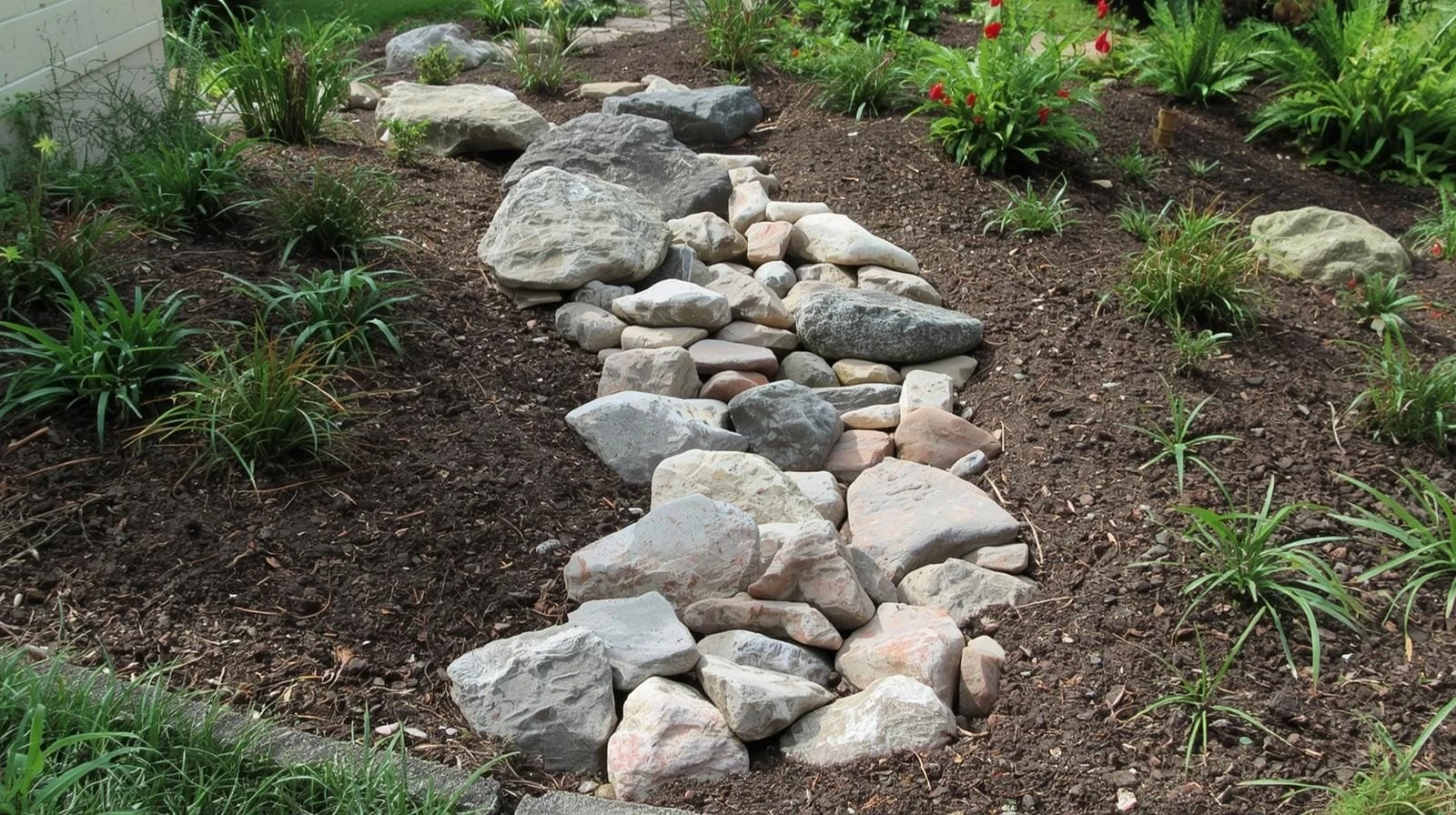
Brown grass beside a downspout that dumps on turf is a drainage issue, not a thirst issue. Follow roof runoff to low spots before you add water to the entire system. Our drainage guide applies when puddles linger after normal cycles.
Empty saucers, birdbaths, and pot trays when you adjust sprinklers. Standing water beside patios attracts mosquitoes without helping the lawn recover.
Beds and mulch in the same pass
Refresh mulch after head checks so new depth is not blasted onto walks the same afternoon sprinklers run. See choosing the right mulch for Front Range materials and depth.
On tight lots, define paths before you add color pots to strips that still need better coverage. Small lot softscape planning explains circulation before patio season peaks.
When to call Weston
Schedule irrigation repair when a zone will not shut off, pressure drops when multiple heads run, or overlap leaves tan triangles beside walls.
Photos of thin spots, valve boxes, and your controller screen help us schedule faster. Mention hosting dates when you contact Weston Landscape & Design. See getting your Denver yard ready for summer for the full seasonal checklist.