.webp)
Memorial weekend arrives while south-facing strips along garage walls and patio edges often look stressed at lunch, even when the center lawn appears ready for guests. Late May is the window to fix irrigation before June heat makes every guess expensive.
Weston Landscape & Design serves the Denver metro and Front Range. This checklist covers how to walk zones before guests arrive, when to adjust your controller gently, and what to photograph for the first service visit.
What Memorial weekend reveals
Extra foot traffic does not create every thin south strip; it shows where coverage never matched reflected heat. Memorial long weekends and patio traffic explains why furniture makes damage look sudden when the same zone was already dry in April.
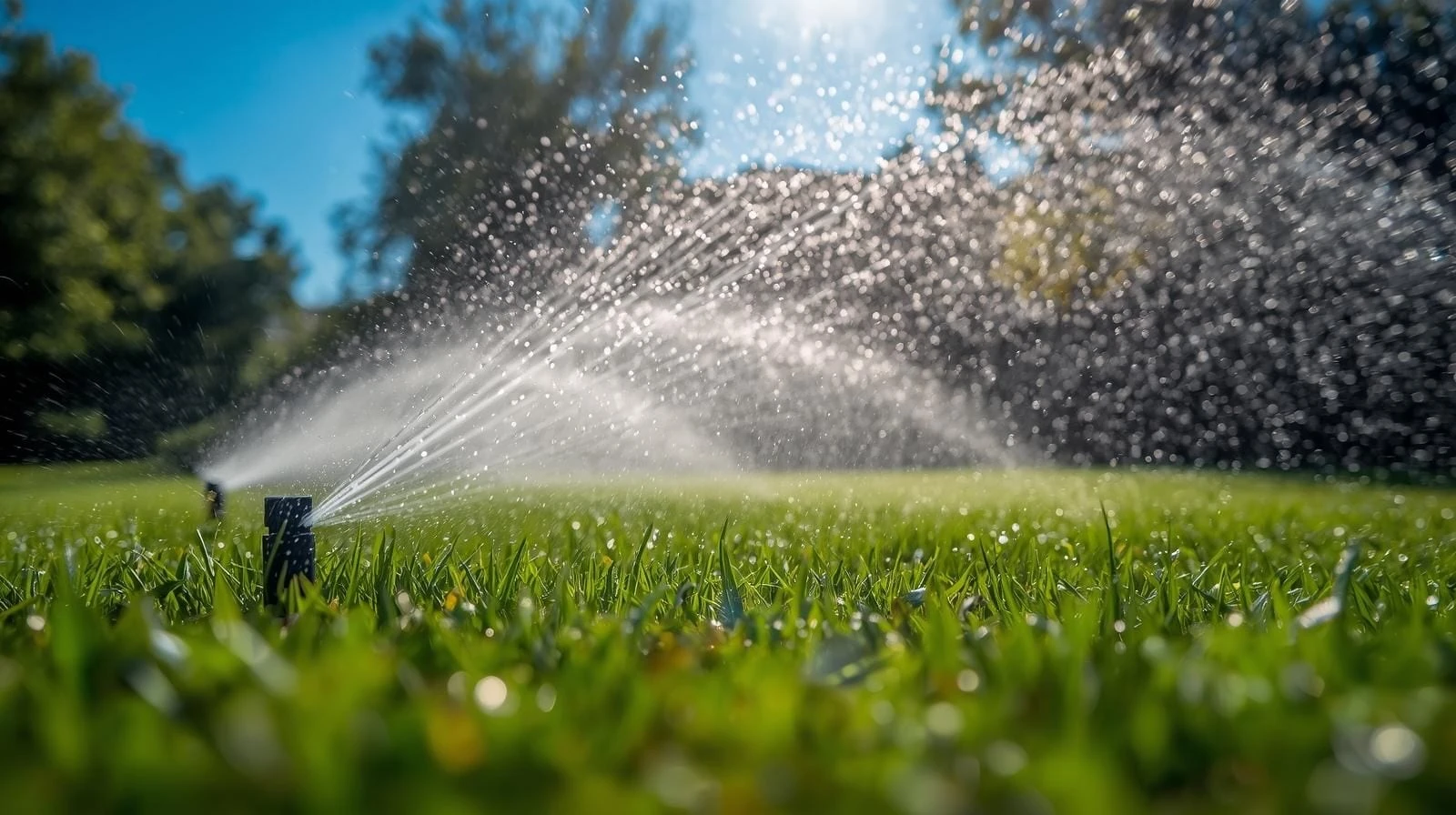
Run each zone once at dusk the week before guests arrive. Look for dry spots at patio returns, spray blocked by new pots, heads throwing over walls, and mist on siding. Those observations beat raising every zone because the patio felt hot at four o'clock.
Adjust seasonal settings before July habits set in
Controllers still carrying peak-summer programs from last year overwaters shade and starves hot strips. Reset seasonal adjustment gently: change one sun-heavy zone, wait forty-eight hours, check the stressed strip, then move to the next zone.
When to start watering your lawn in Denver outlines weekly depth targets for the Front Range. If startup was skipped, book irrigation startup before you stack mulch or fertilizer on dry soil. See spring irrigation startup guide for what should already be verified.
Guest week sequencing
The practical order is water first, then traffic and presentation, then accent tweaks. Guest week landscape and irrigation prep lines up turf, beds, and hardscape in sequence.
If low-voltage lighting and sprinklers share a side-yard trench, read lighting and irrigation conflict guide before cosmetic fixes mask a nick from winter wire work.
Mowing and fertilization on dry strips
Keep lawn mowing at steady height when Memorial traffic increases. Scalping dry south strips for one photo night weakens turf before July heat.
Once water is right, lawn fertilization on a program supports color without pushing tender growth into a late cold night. Patchy patterns along shade lines and wall heat differ from random dig marks, see grub damage signs when you are unsure.
Mulch, beds, and the guest photo frame
Guests notice mulch depth and crisp bed lines before they study center turf. Choosing the right mulch and purposeful mulch installation keep edges intentional while lawn catches up.
On tight lots, define circulation before you add color pots to strips that still need better water. Small lot softscape planning explains path thinking before patio season.
Cool nights, hot afternoons, and one controller
Cool nights and hot days still argue on the same lot in late May. Grass can look worse at breakfast than at sunset when roots recover slowly, probe soil before you add minutes globally.
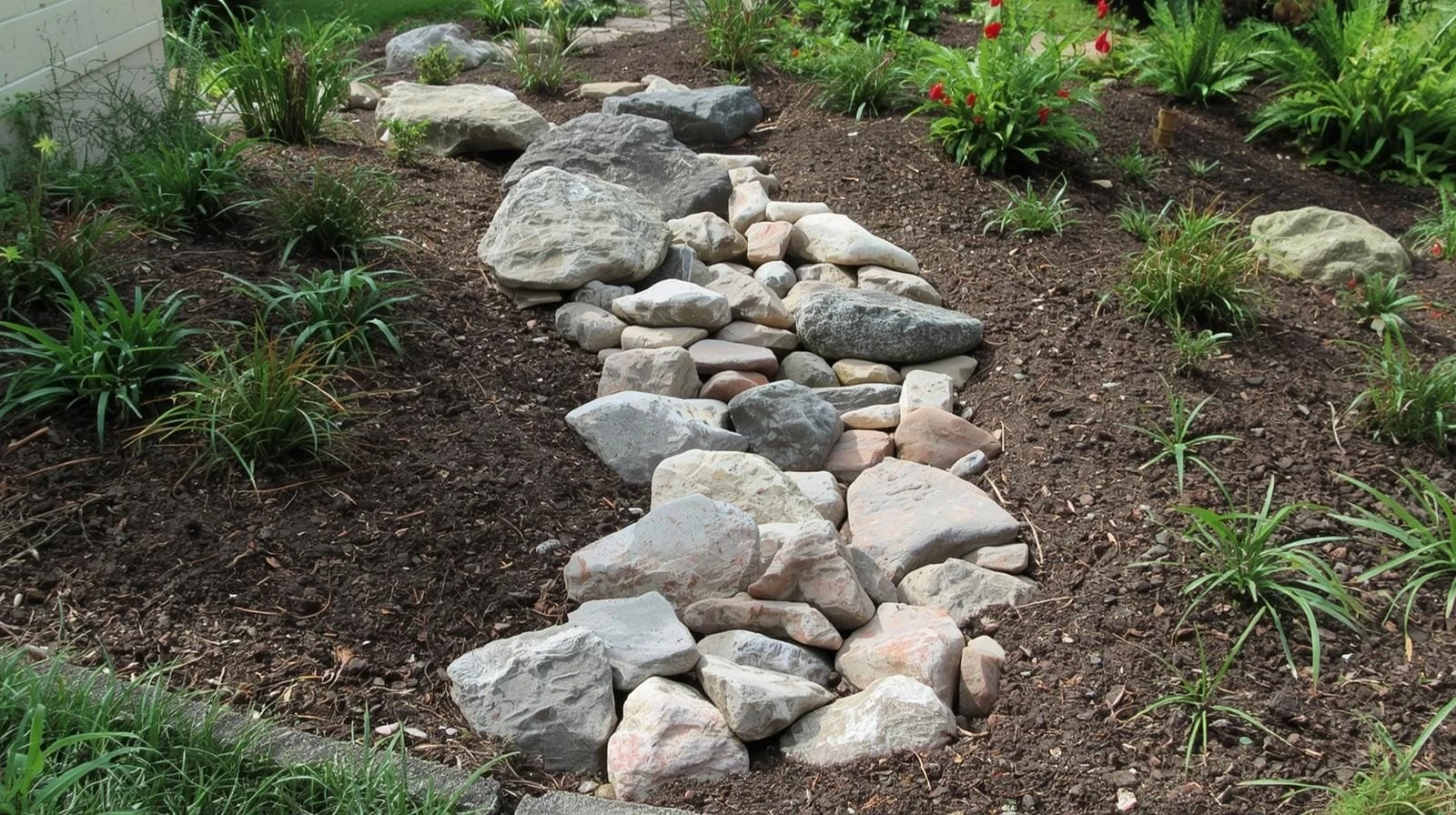
Downspouts that dump on turf create a different pattern than wall heat. Follow roof water to low spots; our drainage guide applies when puddles persist after normal cycles.
After Memorial: carry evidence forward
When guests leave, return to zone walks instead of memory edits on the controller. Getting your Denver yard ready for summer carries chores forward once heat settles in.
Confirm rain sensors and smart skips work before the next hosted weekend. Many Denver-area providers restrict watering days, a tuned system hits weekly depth inside those rules.
Send photos of thin south strips, valve boxes, and controller screens with hosting dates when you contact Weston Landscape & Design. For reflected-heat coverage detail, see May south walls and sprinkler coverage.