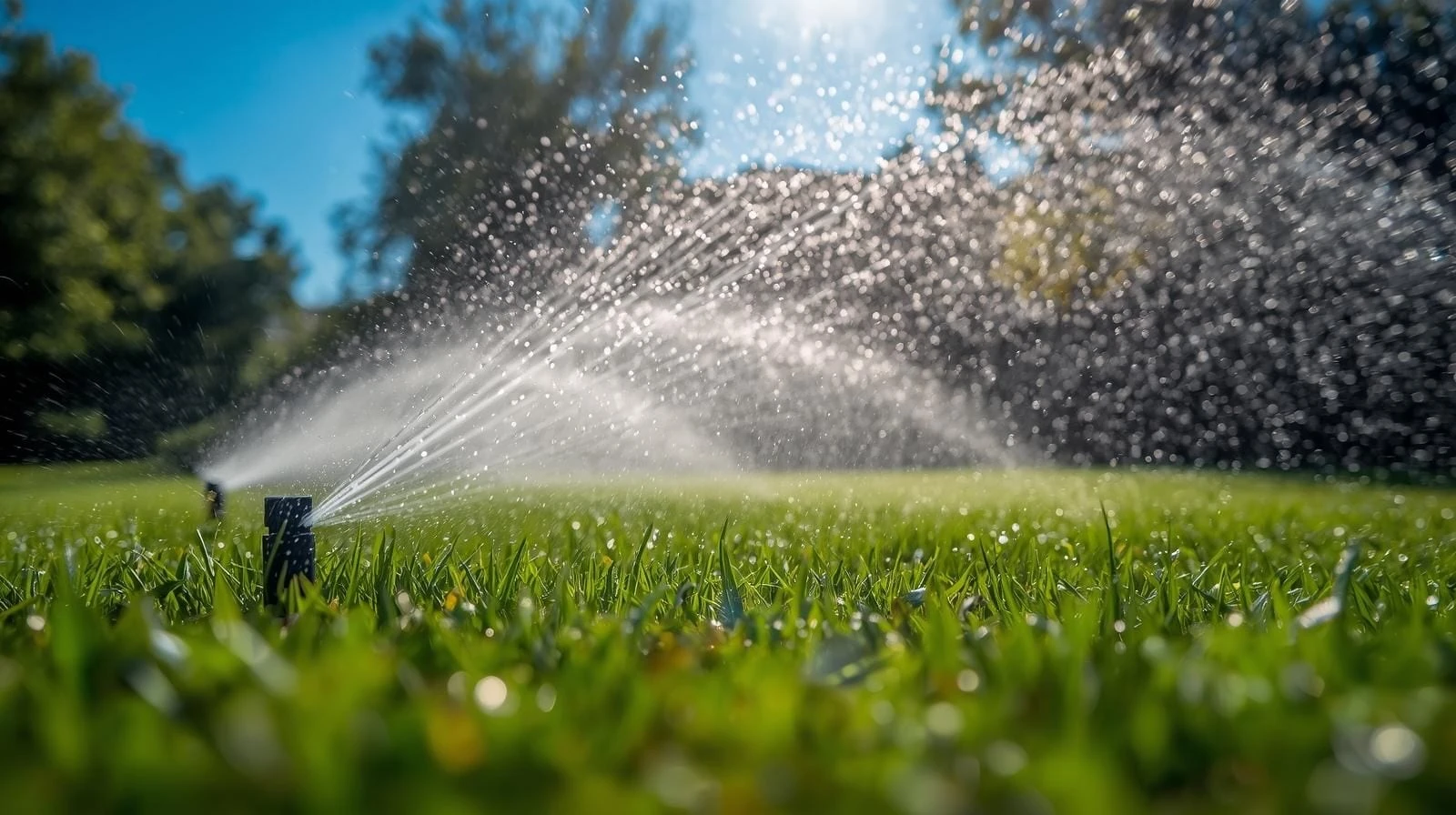
Many Denver metro lots run shade and furnace on the same irrigation valve. The north lawn stays moist while the south strip along stucco or brick goes dormant by July, even when the controller shows full summer settings and center turf looks fine from the driveway.
Weston Landscape & Design tunes systems across Aurora, Lakewood, Highlands Ranch, and surrounding communities. This article focuses on valve-level thinking: pressure, cycle-soak, and zone design when reflected heat outruns a single program.
Reflected heat changes the math on one valve
South-facing masonry and dark fence boards return heat into turf long after sunset. Grass there needs different minutes than open center lawn or shady north turf fed by the same clock. The problem is not weak grass, it is one schedule trying to serve two microclimates.
We introduced early-season wall strips in south wall heat and dry lawn strips in April. By late spring, full seasonal settings expose gaps that mild April weather hid. For May coverage walks, see May south walls and sprinkler coverage fixes.
Cycle-soak on clay beside walls
Clay accepts water slowly. One long run can shed water on walks while the strip along the wall stays dry two inches down. Split run time into two shorter cycles with soak intervals when your controller allows.
Pop-up heads sized for open turf often throw over the hottest foundation edge or short of the toe where roots need water. Watch the wall zone from the low side at dusk. Note whether spray reaches the foundation line and whether water runs on pavement.
Professional irrigation repair swaps nozzles and fixes pressure when heads limit what seasonal adjustment can solve. Book irrigation startup if spring verification was skipped, see spring irrigation startup guide.
Do not flood shade to fix a wall strip
North faces and shaded lawn on shared valves may already stay moist while south walls bake. Adjust wall exposure on its own schedule when the controller supports multiple programs or separate stations.
Global bumps deepen fungus risk near fences and waste water on the Front Range. When to start watering your lawn in Denver and first sustained heat and irrigation checks remind you to read soil before you chase minutes alone.
Mowing and turf recovery beside hot masonry
Steady lawn mowing height supports roots on turf recovering from heat stress. Scalping bronze edges for one neat photo trades a visual win for deeper decline when water still misses the foundation line.
Compaction from foot traffic along foundations makes dry strips worse. Core aeration pairs with watering fixes when water runs off packed soil beside walks. Once water matches exposure, lawn fertilization on a program supports color without tender flush into heat.
Beds, mulch, and head clearance
Shrubs against walls block spray that reached the wall line last season. Trim for clearance, then re-check overlap. If shrubs intentionally screen the wall, bed irrigation and mulch may need adjustment instead of forcing turf to thrive in effective planting space.
See choosing the right mulch when edges look tired beside hot masonry. Garden maintenance keeps growth from crowding heads before peak summer traffic.
Downspouts and a third dry pattern
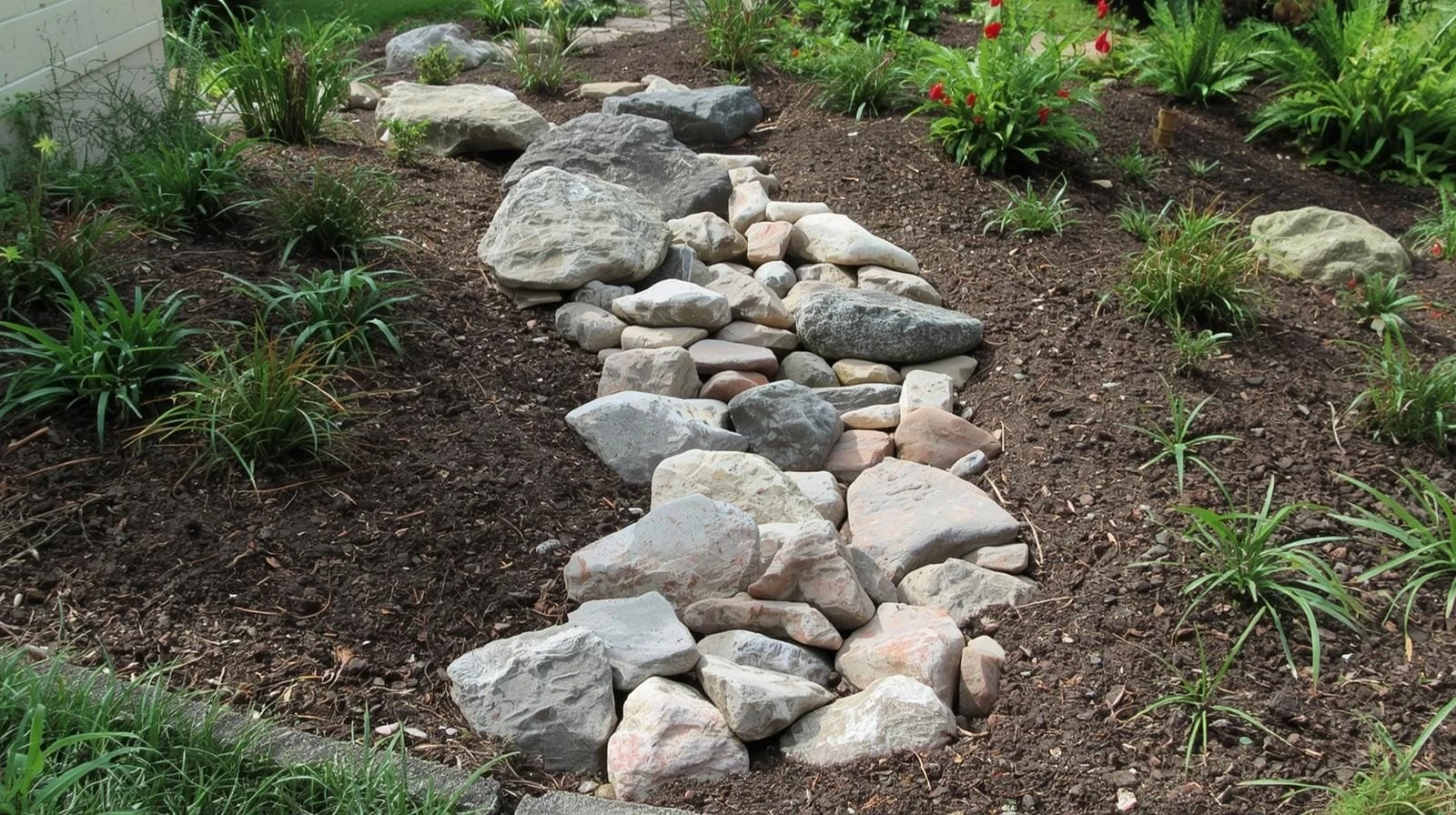
Downspouts that dump on turf beside walls create wet-and-dry patterns that thirst alone cannot explain. Follow roof water to low spots using our drainage guide before you treat wall bronze as drought only.
On tight lots, small lot softscape planning helps define paths where grass cannot survive constant feet beside the warmest face of the house.
Scheduling measured help
Send photos of the wall strip at lunch, nearest heads, and your controller screen. Mention hosting dates and whether cycle-soak is already enabled. Those details steer visits toward nozzles and pressure, not fertilizer alone.
Contact Weston Landscape & Design across the Denver metro. Getting your Denver yard ready for summer aligns next chores once the wall strip catches up to center lawn.