April sun in Littleton and Highlands Ranch already bakes south-facing garage walls and fence returns. Lawn strips beside those surfaces often yellow first, not because fertilizer forgot to work, but because radiation and reflected heat pull water faster than roots replace it. This article helps you read those areas honestly and adjust irrigation before May traffic and guest weekends arrive.
Weston Landscape & Design tunes irrigation and maintains turf across the Denver metro. Treat sunny wall strips as microclimates, not as failures of the whole yard.
Microclimates beside pavement and masonry
Concrete and dark fence boards return heat into the night. Grass there wakes earlier, stresses earlier, and often needs different sprinkler minutes than shady north turf on the same clock program. Split zones mentally before you split pipes: note which stations serve only lawn beside the wall versus open lawn.
Compare a troubled area only to similar sun and slope elsewhere on the lot. The same principle carries into April soil thaw rhythm when thaw-wet soil and foot traffic mix on the warm side of the house first.
April stress versus July dormancy
In April, strips can look yellow while center lawn is still pale green. More fertilizer does not fix radiation stress. Once coverage is verified, lawn fertilization on a program helps color on the whole lawn.
Irrigation checks that respect local rules
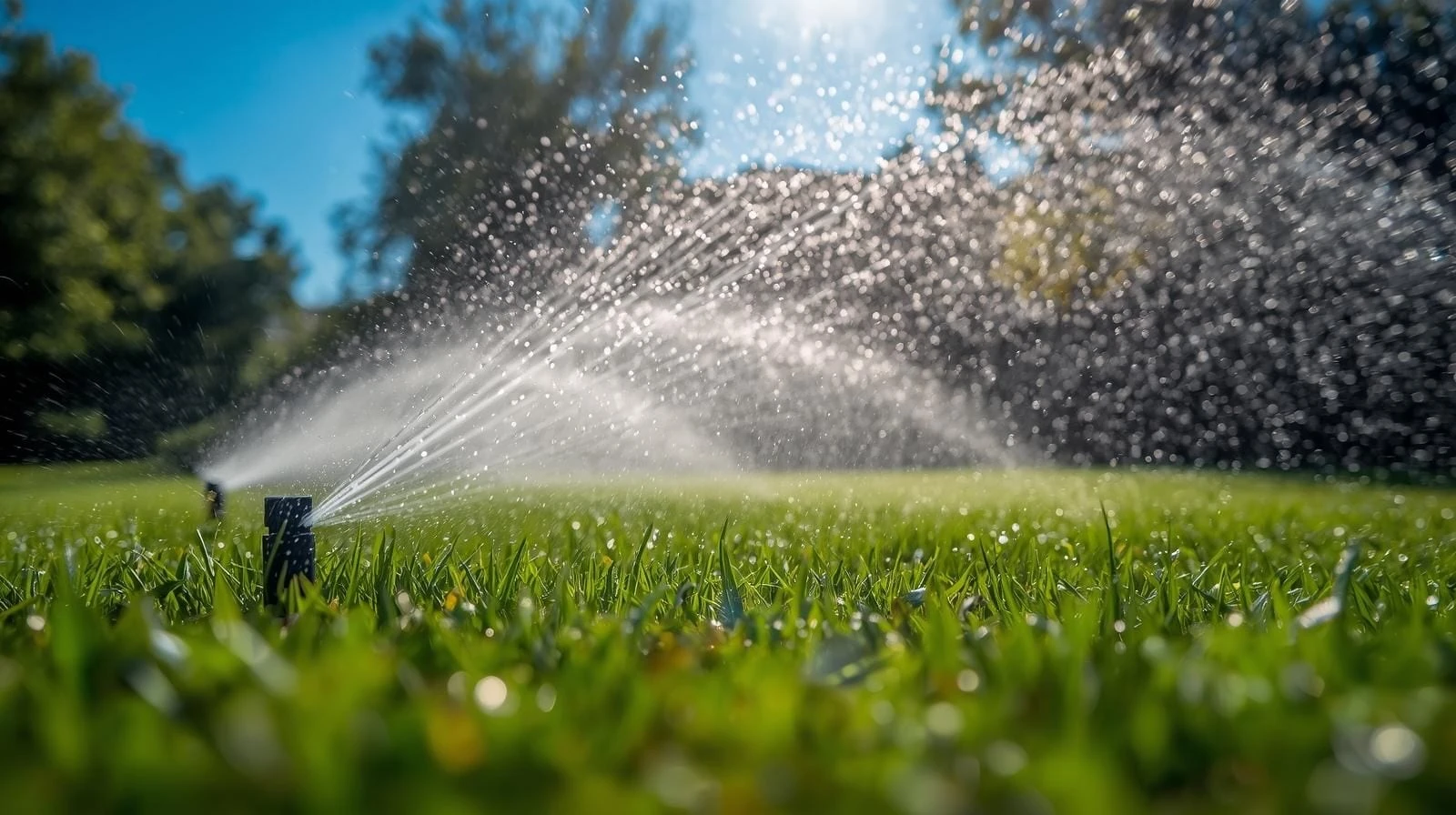
Many Front Range water providers limit days or hours. A tuned system hits weekly depth inside those rules instead of running every zone longer because one wall strip looked dry at noon.
Professional irrigation startup in late April or early May catches leaks and mis-aimed heads before you lock into summer habits. Pair technical checks with spring irrigation startup guidance and Denver watering timing.
When overlap or pressure fails, schedule irrigation repair. For May coverage fixes on the same strips, see May south walls and sprinkler coverage.
Bed drip and shared supply lines
Drip zones that share a supply line with turf can rob pressure during hot afternoons. Organic mulch at measured depth through mulch installation can help adjacent turf when roots compete in the same profile.
Evening checks and field tests
Walk wall strips ten minutes after sunset. Mis-aimed heads show as mist on siding. Push a screwdriver six inches after a cycle, if it stops hard in one spot on the same zone, you likely have a coverage mismatch.
Move seasonal adjust gently in April. Cool nights and hot days make wall strips look worse at breakfast than at sunset even when weekly depth is close to correct.
Traffic and head clearance
Wall returns are where grills and chairs land on small lots. Compaction plus heat is a harsh combo. Small lot planning and Memorial weekend traffic explain why the same area fails after parties even when water math looked fine on paper.
Fixed spray heads that hit siding waste water while sunny strips still dry. Trim shrubs that block spray, then re-check overlap. If shrubs intentionally screen the wall, bed irrigation and mulch may need adjustment instead of forcing turf to thrive in effective planting space.
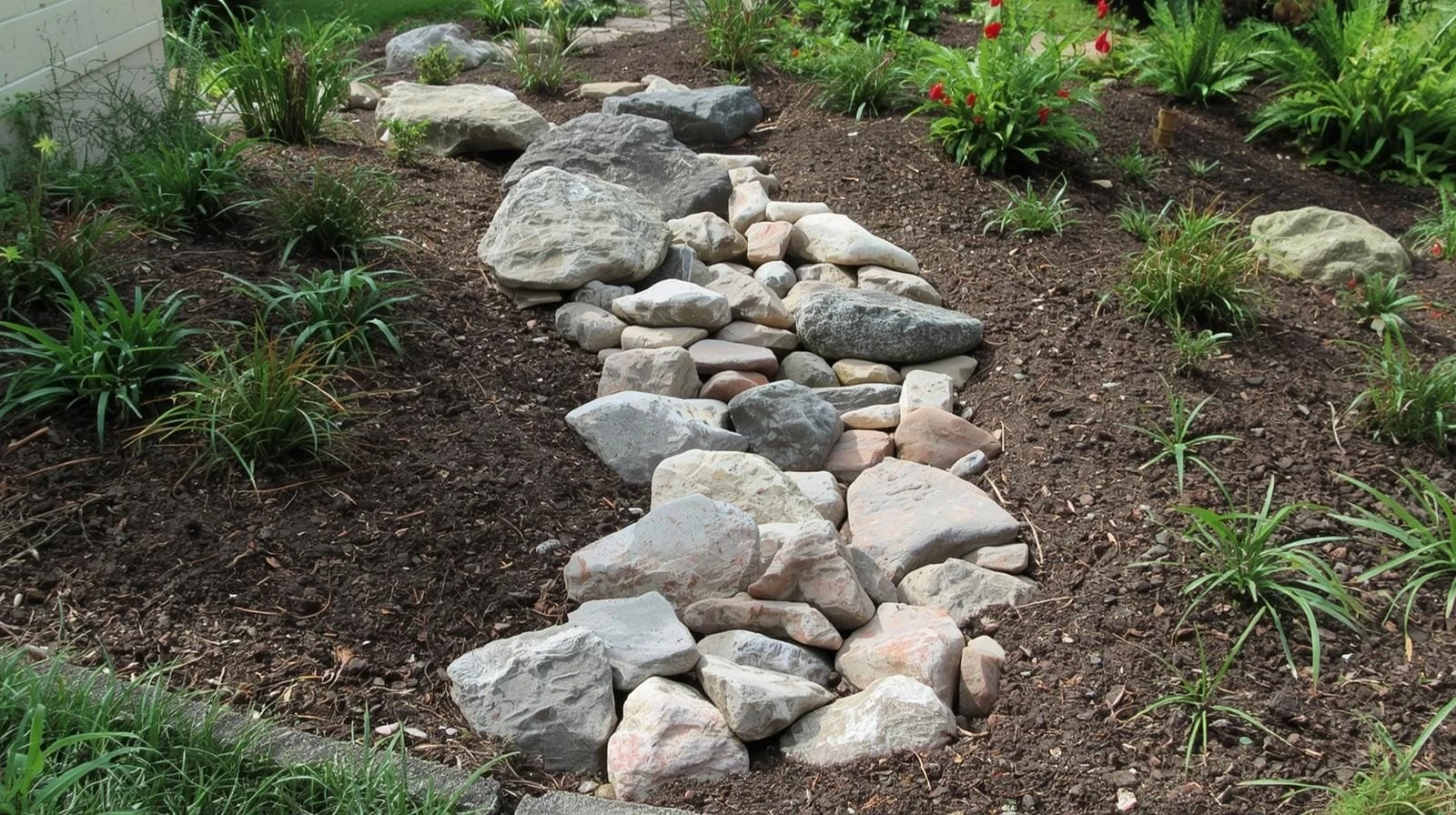
Keep lawn mowing at steady height. Define stone or mulch paths where feet repeat so turf is not asked to be both hallway and showcase.
Coordinating fixes before guest season
Wall strips are where irrigation, mulch, mowing, and hardscape meet. Fixing heads without addressing grade, downspouts, or reflected heat often brings the problem back. When layout needs rethink, landscape design can map drainage and circulation before pavers lock mistakes beside the warmest face of the house.
For one valve serving both shade and furnace, read south walls when one valve serves sun and shade. Send photos of yellow strips and valve locations when you contact Weston Landscape & Design so guest week prep starts from water, not cosmetic fixes.