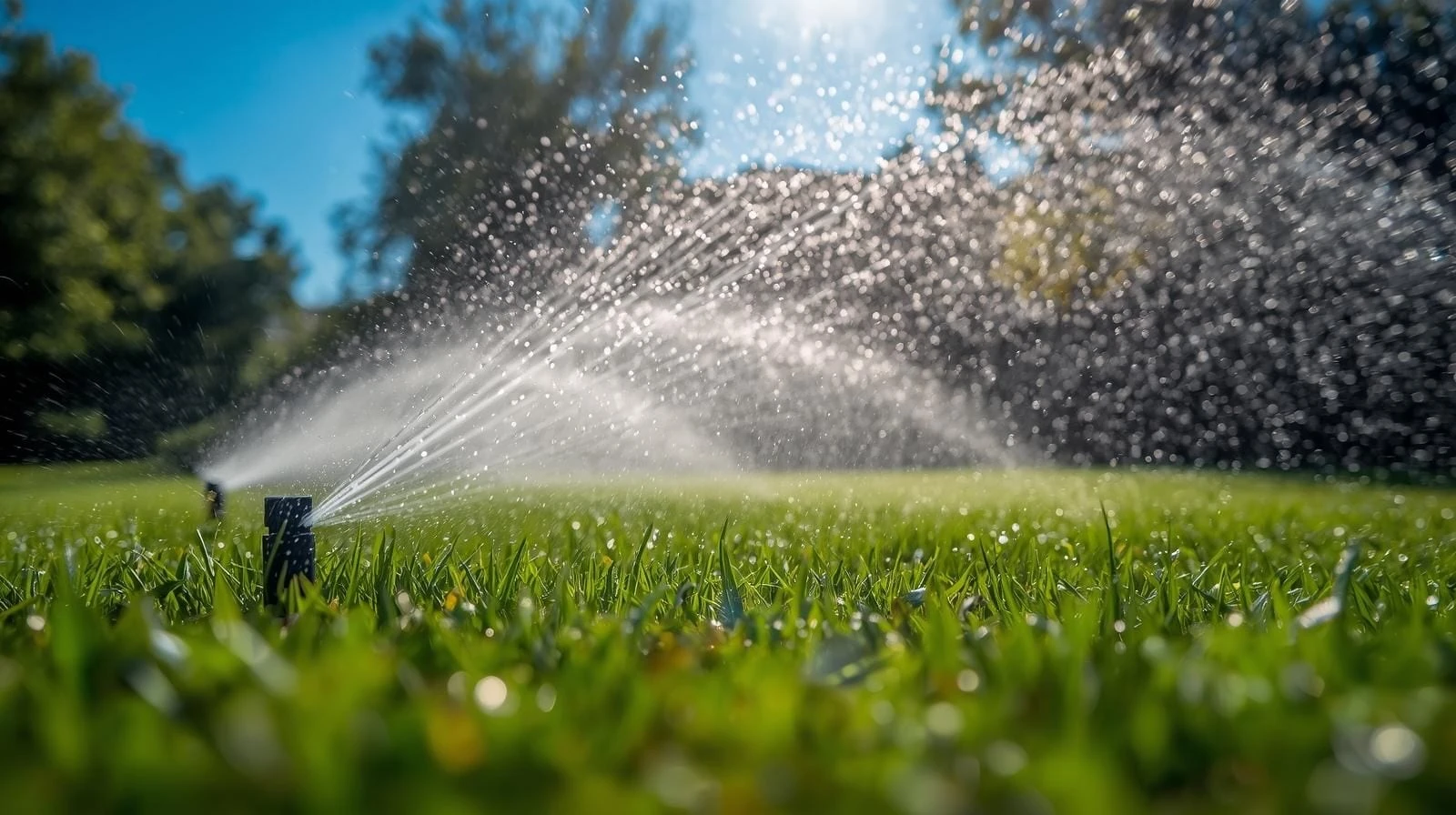
Water is one of the biggest expenses and biggest headaches for Front Range homeowners. Run your sprinklers too much and your bill climbs while your lawn stays soggy in spots. Run them too little and grass turns brown while weeds take over. The trick is getting water where it needs to go, at the right time, without waste. A well tuned system makes that much easier.
Weston Landscape & Design installs, repairs, and maintains irrigation systems across the Denver metro. Here is practical advice for keeping your yard watered efficiently through our dry climate and strict local watering rules.
Start the Season With a Proper Startup
Before you rely on your sprinklers, schedule a professional irrigation startup. A technician turns the system on slowly, checks every zone, fixes broken heads, and looks for leaks that developed over winter. Frozen pipes and cracked fittings are common after Colorado winters. Catching them early saves water and prevents damage to your lawn and hardscape.
What Happens During a Startup
Each sprinkler head is checked for proper spray pattern and coverage. Valves are tested to make sure they open and close fully. The controller is programmed for your watering days and times based on local rules. Small fixes at startup prevent bigger repair bills later in summer when everyone is booked.
Fix Problems Before They Get Worse
A single cracked pipe or stuck valve can waste thousands of gallons over a season. Signs you need irrigation system repairs include soggy spots in the lawn, heads that barely spray, zones that will not turn on, or a water bill that jumps for no clear reason. Many repairs are straightforward if caught early. Waiting until mid summer often means scheduling delays and more damage to fix.
Match Your Sprinklers to Colorado Soil
Heavy clay absorbs water slowly. If your heads put out too much water too fast, you get runoff down the driveway instead of moisture in the root zone. Rotary nozzles and pressure regulated heads apply water more evenly and at a slower rate. That helps on clay soils common across Denver, Aurora, Lakewood, and surrounding communities. Even coverage also means fewer dry patches and fewer overwatered spots where fungus shows up.
Use Drip Irrigation for Beds and Trees
Sprinklers work well for lawns, but shrubs, perennials, and trees do better with drip irrigation. Drip lines deliver water slowly right at the root zone. Less evaporates in our hot, windy afternoons, and plant leaves stay drier, which cuts down on disease. Drip is especially useful in xeriscape beds and anywhere you want to water plants without soaking the whole area.
Simple Habits That Save Water
- Water in the early morning when wind and evaporation are lowest
- Adjust run times seasonally instead of running the same schedule all year
- Skip a cycle after rain using your controller rain sensor or manual override
- Check sprinkler heads monthly for clogs, breaks, or heads knocked out of alignment
Smart Controllers Worth Considering
If you are still using an old timer, a Wi Fi enabled controller can adjust watering based on weather forecasts and local restrictions. They are not magic, but they help many homeowners stay within weekly water limits without constant manual changes. Paired with a system that is already in good repair, a smart controller is a solid upgrade.
A lawn that gets consistent, even water looks better and costs less to maintain. Whether you need a spring startup, a mid season repair, or drip lines for new plantings, Weston Landscape & Design can help. Contact us to schedule service or a system check.