From the street, your lawn can look evenly green while the strip along a south-facing garage wall already shows stress by lunch. Front Range May pairs cool nights with afternoons that bake masonry, bright fences, and patio returns. Sprinkler coverage that passed a quick drive-by in April often fails the same spots once reflected heat and longer days arrive.
Weston Landscape & Design maintains irrigation and lawns across the Denver metro. This article focuses on practical coverage fixes for May, head aim, overlap, and run times, before Memorial guests judge the edges of your yard.
Why the center lawn hides the problem
Kentucky bluegrass and tall fescue blends respond differently to the same night. Comparing your wall strip to open center turf on your lot explains more than comparing to a neighbor whose garage faces north.
Reflected heat from siding and concrete wakes turf early and dries it faster than shady north grass on the same valve. We covered early-season signs in south wall heat and dry lawn strips in April. By mid-May, furniture and foot traffic reveal zones cameras already showed in phone photos.
Cool nights slow root recovery even when afternoons pull hard. Grass beside a wall can look worse at breakfast than at sunset. See cool nights and hot days on Denver metro lawns before you chase minutes alone.
Coverage walks that beat guesswork
Copying July run times into mid-May usually wastes water on shade and starves hot strips that already radiate heat. Before you touch the controller, read when to start watering your lawn in Denver and walk the lawn once at dusk after a cycle.
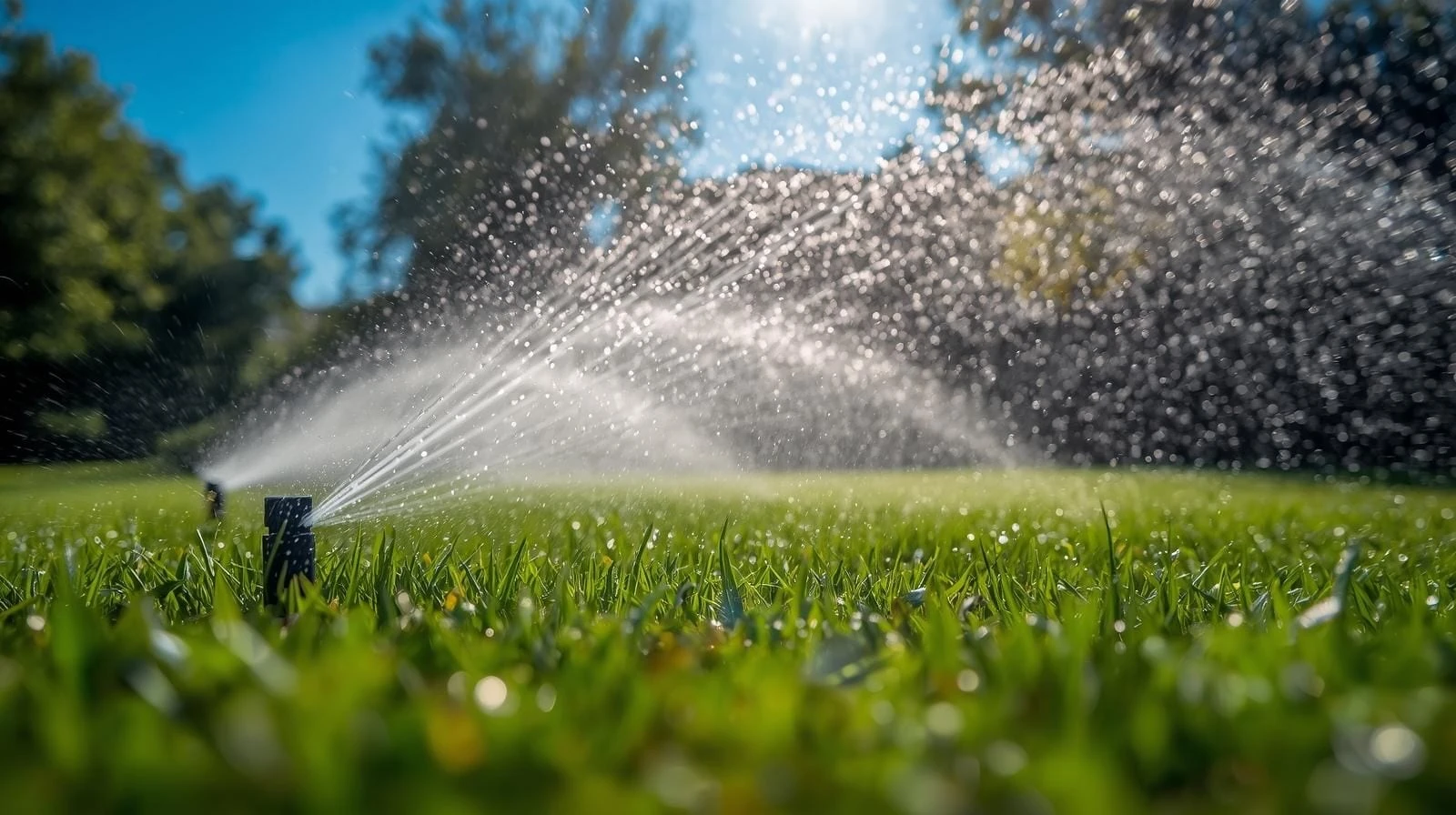
Mis-aimed heads show as mist on siding. Dry wedges at the patio return show as wilted grass while the center still looks fine from the driveway. Our spring irrigation startup guide explains what a professional irrigation startup should verify before you rely on the clock every week.
If a zone will not shut cleanly or overlap leaves tan triangles beside walls, schedule irrigation repair before you stack fertilizer on dry spots.
Head aim, overlap, and Memorial traffic
Memorial season moves chairs and grills onto narrow side yards where heat already dried grass faster. Traffic reveals where irrigation never matched exposure, see Memorial long weekends and patio traffic.
Run each zone at dusk and look for spray blocked by new pots, heads throwing over the wall instead of into the hot strip, and arcs that miss the foundation line. Adjust one issue at a time and wait two days before changing run times.
Keep lawn mowing at steady height when traffic increases. Once water is honest, lawn fertilization on a program responds better than products applied to dry soil.
Mulch and bed edges guests notice first
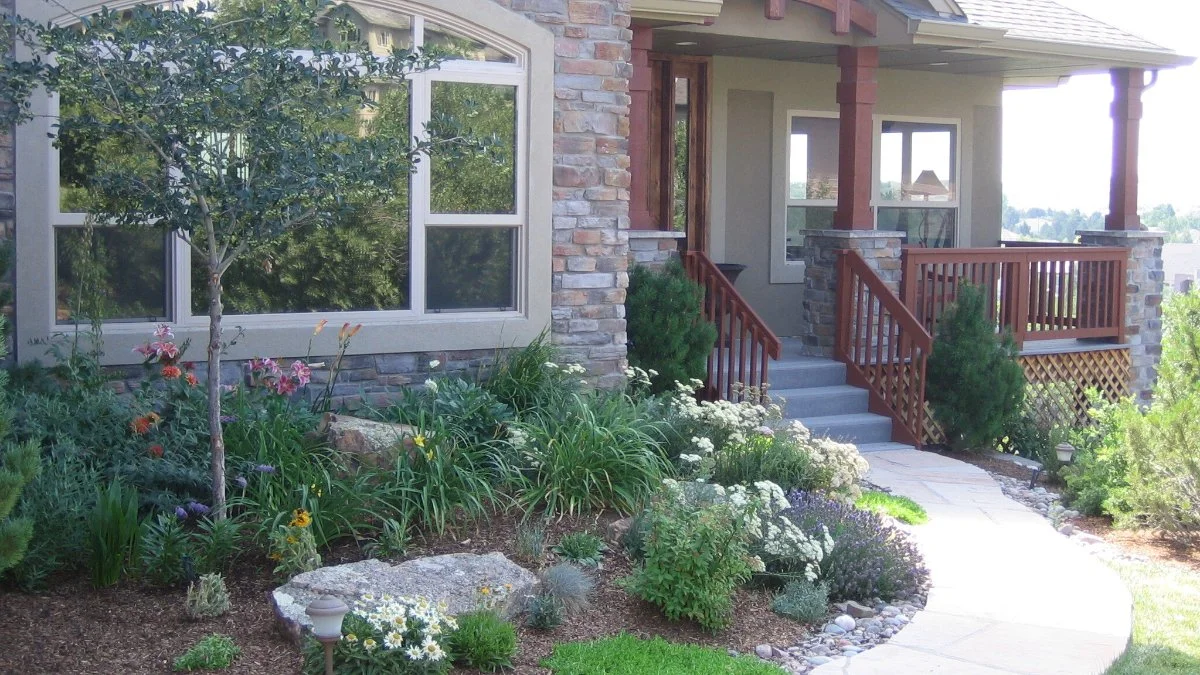
Guests read mulch depth and crisp bed lines before they study center turf. See choosing the right mulch for your Colorado garden when bark looks tired beside walks.
A mulch berm that hides wire can redirect spray. Refresh depth with purpose and keep mulch a few inches off stems. Mulch installation aligned with head checks prevents new depth from being blasted onto walks the same afternoon.
Heat stress versus insects
Mid-May damage is often environmental before it is insect-related. Patchy patterns that follow shade lines, wall heat, or overlap gaps differ from turf that lifts like carpet. Our grub damage signs article separates cultural problems from grub damage.
Grub control belongs in a plan when history supports it, not as a default response to a dry south strip that was always about water first.
Coordinate trades before guest week
Low-voltage paths and sprinklers often share trenches in May. If you added fixtures over winter, read outdoor lighting and irrigation conflicts before you assume brown corners are only drought.
For task order before hosting, open our guest week landscape and irrigation prep guide. Photos of thin wall strips, controller screens, and valve boxes speed scheduling when you contact Weston Landscape & Design.