By late June this dry summer, the shrubs and small trees along your south or west foundation often look worse than the lawn ten feet away. Leaves may curl, brown at the tips, or drop early while turf in the middle of the yard still photographs green. Reflected heat off stucco, brick, and concrete cooks that planting zone from two directions, and when you can only water a couple days a week there is little room for wasted spray. Weston Landscape & Design maintains trees, shrubs, and beds across Lakewood, Englewood, and the wider Denver metro. This article is about plant stress beside hot walls, not guessing more minutes on the lawn clock.
How heat shows up on shrubs and trees
Scorch usually appears on the side facing the wall or pavement first. You may see bronzed leaf edges, wilt by midafternoon that recovers overnight, or thin interior growth where last year's leaves shaded out new buds. Evergreens can turn dull or show needle drop on the hottest face. These patterns differ from insect chew marks or random dead branches scattered through the canopy.
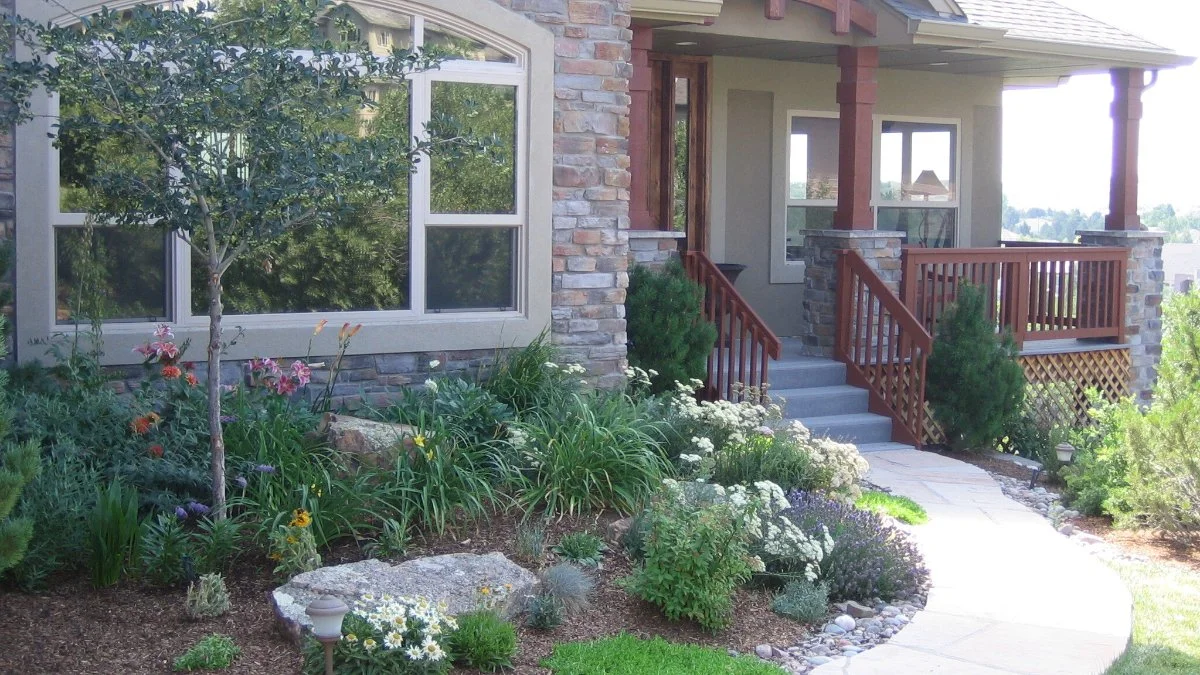
Compare plants in the hot strip to the same species in shade on your lot. If only the foundation row struggles, reflected heat leads the story. Our guide to south facing beds and plant choices explains layout and species that handle dry heat better than turf alone.
Get water to the root ball
Foundation plantings often share soil with lawn sprinklers that were never designed for deep shrub roots. Even when the surface feels moist after a watering day, spray may not reach the root ball of a maturing shrub. Drip irrigation for beds delivers water slowly at the base of each plant. Pair that with mulch so soil does not bake between cycles.
Overwatering shade on the north side to compensate for a hot south bed invites root rot on plants that prefer drier feet and wastes water on the wrong side of the house. Read choosing the right mulch for depth and placement that protect roots without smothering stems.
Fertilization and professional plant care
Stressed plants need measured nutrition, not a heavy hand. Our shrub and tree fertilization programs time feeds for Colorado seasons so evergreens and deciduous shrubs get support without tender flush into a heat wave. Slow release products and soil-aware rates beat dumping general lawn fertilizer at the base of a burning lilac.
When leaves look pale, spotted, or sticky, the cause may be insects or disease rather than thirst alone. Shrub and tree insect control and disease control target the actual problem after a walk identifies chewed edges, sooty mold, or cankers. Treating thirst when the issue is mites wastes a season and water you cannot freely replace midweek.
Pruning and garden maintenance in summer
Resist shearing heat stressed shrubs into tight balls in July. Light cleanup of dead tips and clearance from walks is enough until weather eases. Garden maintenance visits keep beds weeded, edged, and shaped without stripping foliage plants need for shade on their own stems.
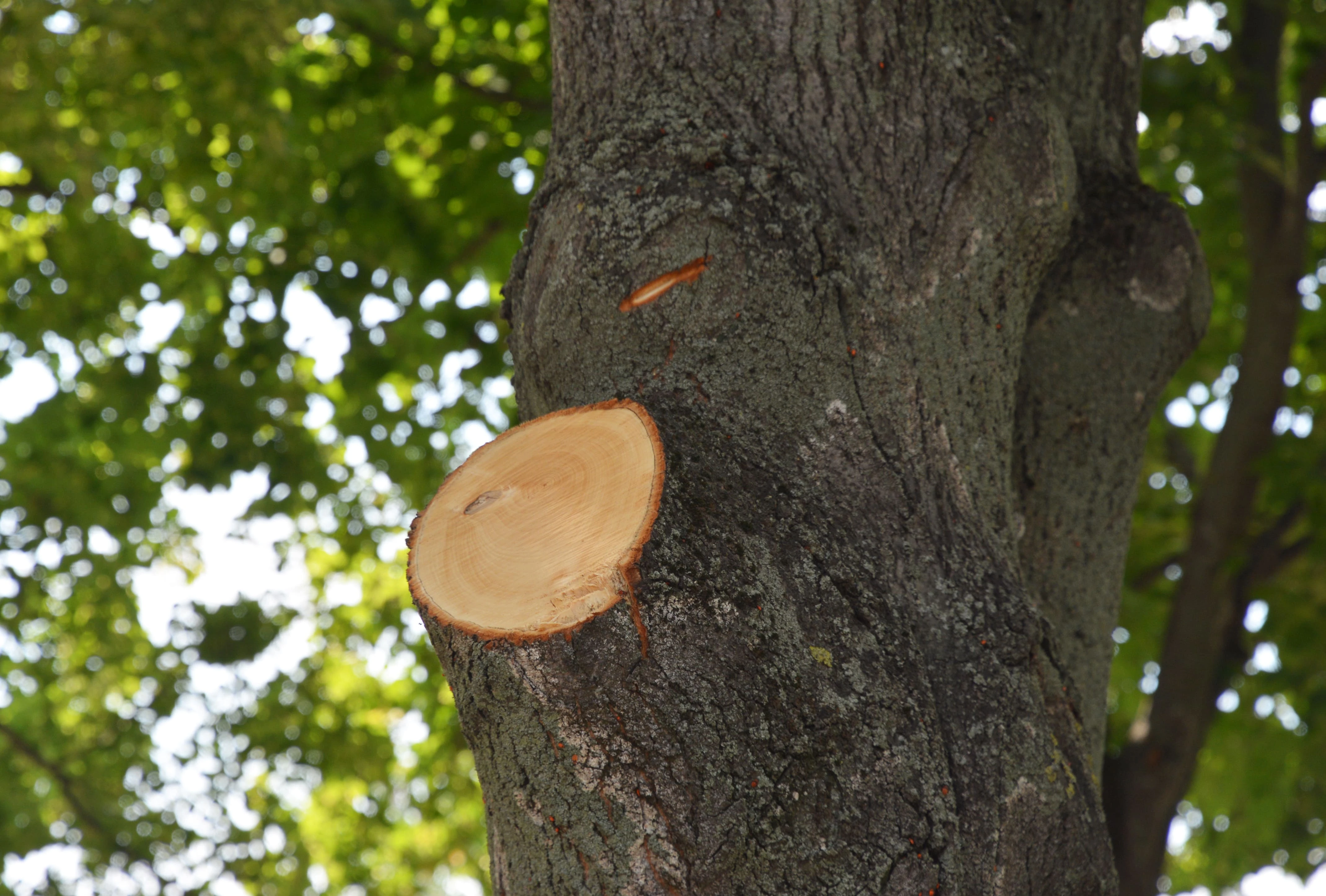
Mature trees along walls may need selective work from our shrub pruning or tree care team so air moves through the canopy. Crowded plants against hot masonry trap heat and hold moisture against bark. Thinning for airflow is different from topping, which stresses plants further in hot weather.
When to replant versus nurse what you have
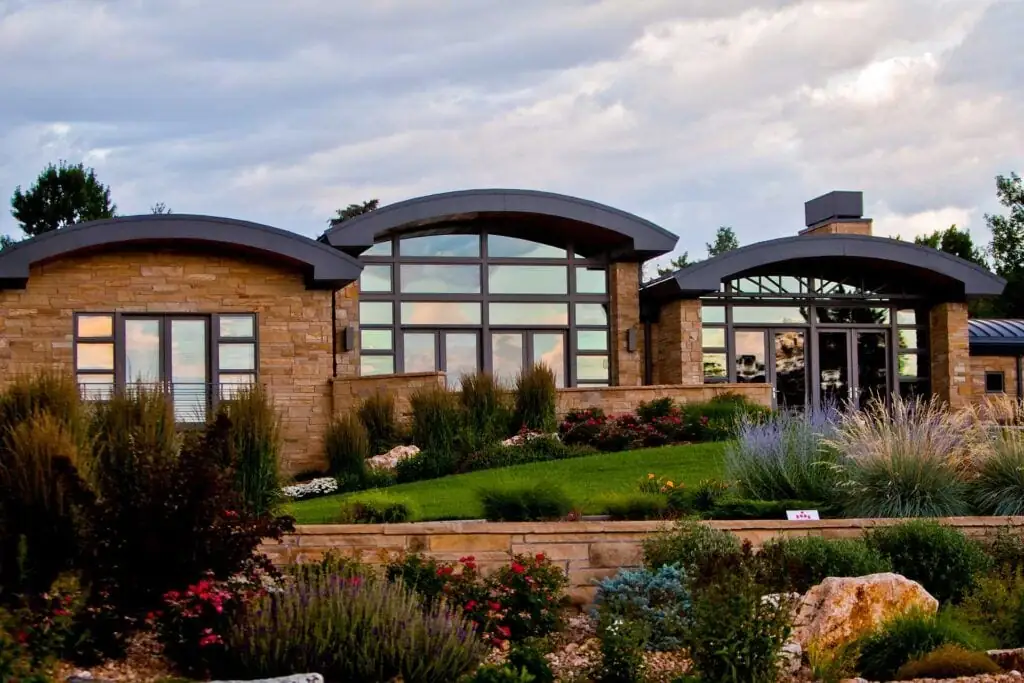
Sometimes the wrong plant sits in the hottest strip: a shade loving hydrangea baking against white siding, or a dwarf evergreen that outgrew its root space. Plantings and softscapes and landscape design help when you are ready to swap species for heat tolerant shrubs, ornamental grasses, or layered beds that match sun exposure and a short watering schedule.
Send photos of the affected plants at midday, notes on how long they have been in the ground, and which direction the wall faces. Contact Weston Landscape & Design for a plant health visit. When and how to prune trees and shrubs in the Denver area pairs well with summer care once you know what you are preserving versus replacing.