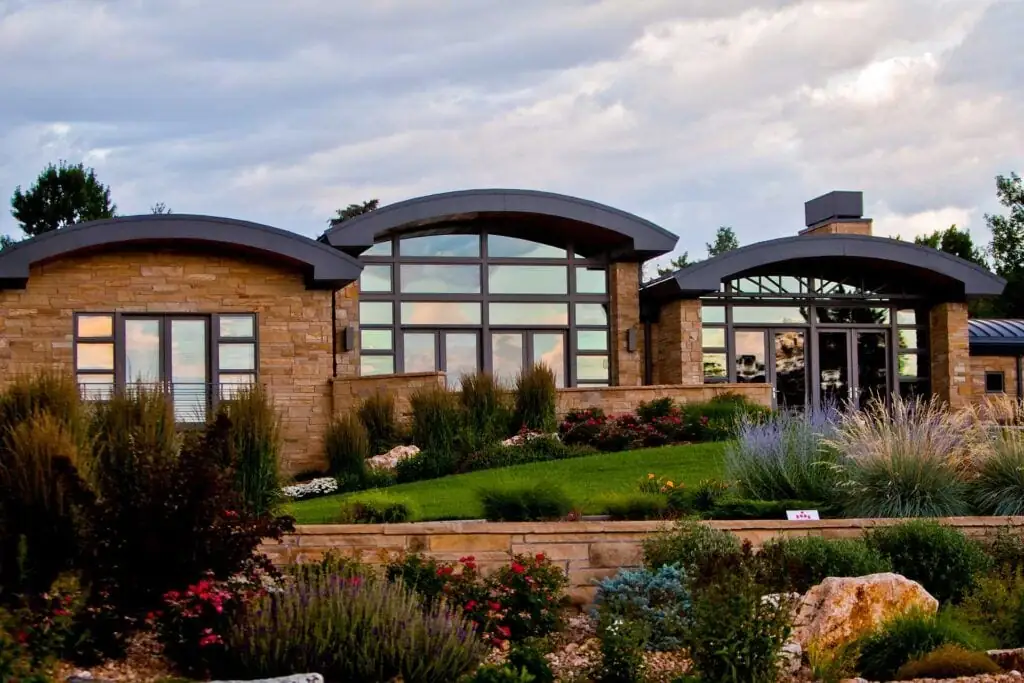
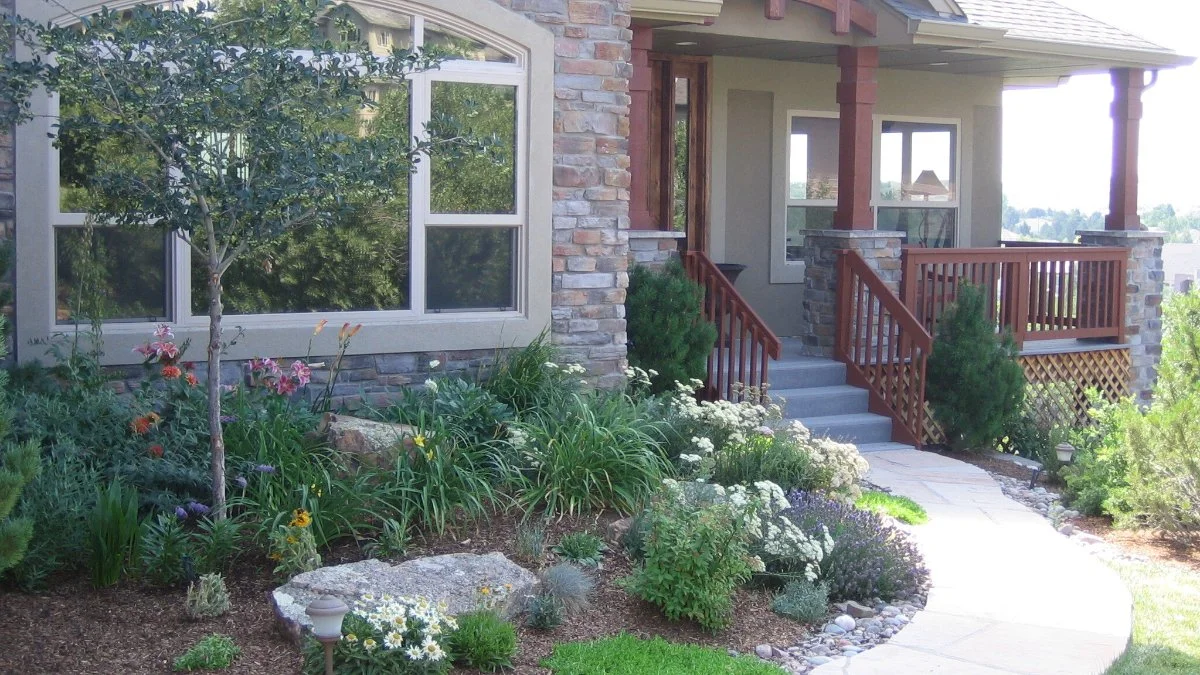
The hottest real estate on many Denver lots is the strip along the south or west foundation. Sun hits it all day. Brick, stucco, and concrete send heat back into the soil long after shadows move. That bed cannot share lawn spray and expect to thrive on assigned watering days alone. Lawn grass often struggles there, and so do shade loving shrubs planted before anyone measured afternoon temperature. Weston Landscape & Design designs and installs landscapes from Lakewood to Centennial. This article is about choosing and caring for plants in those beds so water reaches the root zone.
Read the microclimate before you shop
Walk the wall at 2 PM in June. Note where heat radiates, where downspouts dump, and where roof drip lines keep soil soggy. A bed that is desert dry at the corner and wet near a leader needs zones split by water need, not one species repeated along the whole wall. Confirm your provider's outdoor watering days so new plantings match the schedule you actually have.
Compare your site to open lawn in the middle of the yard. Foundation beds are their own climate. Our later guide on shrub and tree stress along hot walls covers care when plants already in place start to scorch.
Plants that tolerate heat and reflected sun
On the Front Range, heat tolerant shrubs and perennials often come from drier regions or local natives adapted to sun and wind. Ornamental grasses, rabbitbrush, sedum, yarrow, and many dwarf conifers handle harsh edges better than hydrangeas or boxwood baking against white siding. Layer heights so taller plants shade smaller ones at their base without blocking windows.
Our plantings and softscapes team selects varieties for your soil, sun, and the look you want. Xeriscaping and native plants and low maintenance plants for Colorado offer more ideas when you want less water and less replacement this dry summer.
Design beds before you keep fighting turf
Some homeowners repeat sod repairs in the same hot strip every year. A narrow bed of gravel, steppers, or low plantings can look intentional and cut maintenance when watering days are short. Landscape design and garden design map transitions from patio to planting so you are not wedging shrubs into leftover lawn corners.
Tight lots in Arvada and Edgewater benefit from planning circulation first. Read small lot softscape planning when every square foot sits in the photo beside a hot wall.
Soil, mulch, and drip for hot wall plantings
Colorado clay needs amendment at planting time so roots can spread. A 2 to 3 inch mulch layer keeps soil cooler and cuts evaporation between watering days. Keep mulch off crowns and trunks. Mulch installation at the right depth beats a thin dusting that blows away before July.
Bed plants often need drip irrigation rather than lawn spray alone. Drip delivers water slowly at each root zone. Pair with choosing the right mulch so moisture stays where roots can use it.
Ongoing plant health through summer
New plantings need consistent moisture their first year on the days you may water. Established beds still need attention when heat spikes: watch for scorch, pests, and weeds that compete at the root zone. Shrub and tree fertilization on a program supports color without pushing soft growth into a heat wave.
Garden maintenance keeps beds edged and weeds down so heat stressed plants are not fighting invaders at the same time. If leaves look spotted or sticky, ask about insect control and disease control before you assume the bed only needs more water on the next assigned day.
When to get help
Bring photos of the wall face, existing plants, and areas where you want color or less lawn. Note whether the goal is refresh, replace, or full redesign. Contact Weston Landscape & Design for design, planting, or plant health visits. South wall heat in April explains early season signs when the same bed was already stressed before summer heat arrived.