
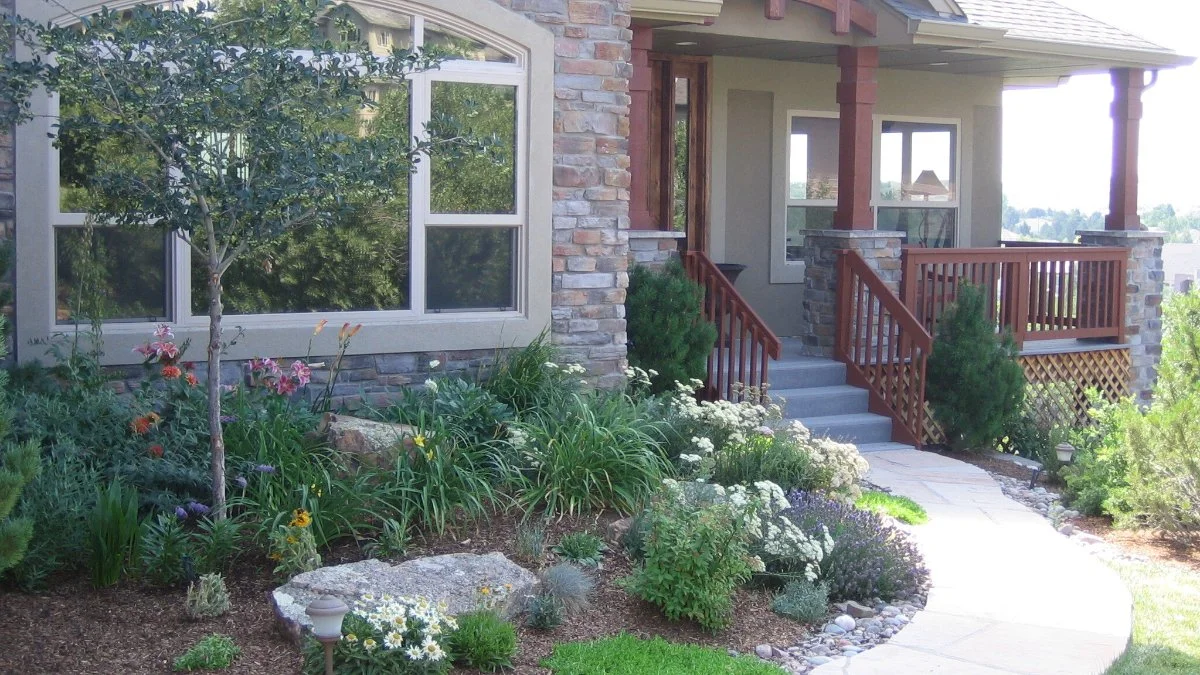
A lush garden does not have to mean a huge water bill. Across the Denver metro, more homeowners are choosing landscapes that look great while using less water. Xeriscaping is simply landscaping designed for dry conditions. Combined with native plants and efficient irrigation, it creates yards that hold up through hot summers and still look good in every season.
Weston Landscape & Design helps clients across the Front Range plan and install water wise gardens. Here is a practical guide to getting started with xeriscaping and native plantings on your property.
What Xeriscaping Actually Means
Xeriscaping is not rocks and cactus unless you want that look. It means choosing plants suited to our climate, grouping them by water needs, improving soil so roots establish well, and using mulch to keep moisture in the ground. A well designed xeriscape can include colorful flowers, ornamental grasses, shrubs, and trees. The goal is less waste, not less beauty.
Why Native Plants Make Sense Here
Native and adapted plants already handle Colorado sun, wind, and temperature swings. Species like penstemon, yarrow, rabbitbrush, and blue grama grass need less pampering than plants from wetter climates. They also support local birds, bees, and butterflies. Our plantings and softscapes team selects varieties that fit your soil, sun exposure, and the look you want.
Planning Your Plant Layout
Group thirsty plants together and drought tolerant plants in their own zones. That way your irrigation matches what each area actually needs. Put taller shrubs and trees on the north or west side where they can provide shade without blocking winter sun from the house. Leave room for plants to reach mature size so you are not constantly pruning or replacing overcrowded beds.
Start With a Thoughtful Design
Before you buy a single plant, sketch out how you use your yard. Where do you want color? Do you need privacy from a neighbor? Is there a slope that erodes when it rains? A professional landscape design answers those questions and gives you a clear plan. That saves money on plants that end up in the wrong spot and hardscape that has to be redone.
Water Smarter With Drip Irrigation
Sprinklers waste a lot of water on garden beds. Drip irrigation sends water slowly to each plant's root zone. Less evaporates in the afternoon heat, and you avoid soaking leaves that can lead to fungus. Drip lines work well in perennial beds, around shrubs, and along foundation plantings. Pair them with a controller that lets you set different schedules for lawn zones and bed zones.
Mulch and Soil Matter
Even drought tolerant plants need help getting established. Good soil prep at planting time makes a big difference on our heavy clay. A 2 to 3 inch layer of mulch keeps roots cooler, holds moisture, and cuts down on weeds. Organic mulch breaks down over time and improves soil structure. Refresh it once a year for best results.
Easy Ways to Use Less Water
- Replace struggling turf in shady or narrow strips with ground covers or gravel paths
- Water deeply but less often so roots grow down instead of staying shallow
- Fix irrigation leaks and clogged drip emitters before summer heat arrives
- Choose plants rated for our USDA zone and typical rainfall
A water wise garden saves money, cuts maintenance, and looks natural in a Colorado setting. Whether you want to refresh one bed or redesign your whole yard, Weston Landscape & Design can help. Contact us to schedule a design consultation.