You walk outside in Lone Tree or Greenwood Village and the beds look awake. Buds swell, tulips push up, and the nursery tempts you with flats of color. Then the forecast drops into the twenties and your stomach sinks. On the Front Range, that pattern is normal, not bad luck. Warm downslope wind days and intense high altitude sun can push growth weeks ahead of what the night air can safely support.
Weston Landscape & Design helps families from Arvada to Castle Pines keep landscapes healthy through those swings. This guide is what we share when clients ask how to get through a late cold snap without losing the season.
Why Late Freezes Hurt Fresh Growth
Plants that have been sitting dormant all winter tolerate cold fairly well. The trouble starts when cells fill with water and new leaves or flowers emerge. That soft tissue freezes more easily than hard wood. A single hard night can brown petals, blacken leaf edges, or kill opening buds. The plant often survives, but you lose the spring show and sometimes the first crop of fruit on a small tree. Knowing that helps you decide what is worth covering and what can ride out the night.
What Usually Bounces Back
- Most established shrubs and perennials may look rough after a freeze, then push new leaves from lower buds.
- Lawns often show tip burn on the first green blades; they typically outgrow light damage once real spring arrives.
- Hardy evergreens rarely need covers unless they are newly planted or in a windy, exposed corner.
Covering Plants the Simple Way
For small beds and prized plants, fabric row cover, old sheets, or burlap works better than plastic laid tight against leaves. Plastic that touches frozen tissue can make damage worse. Aim to drape cover from a stake or a frame so there is air space, and anchor the edges so wind does not area everything off at two in the morning. Water the soil lightly before sundown if you are not already saturated; moist soil holds daytime heat longer than dust dry ground.
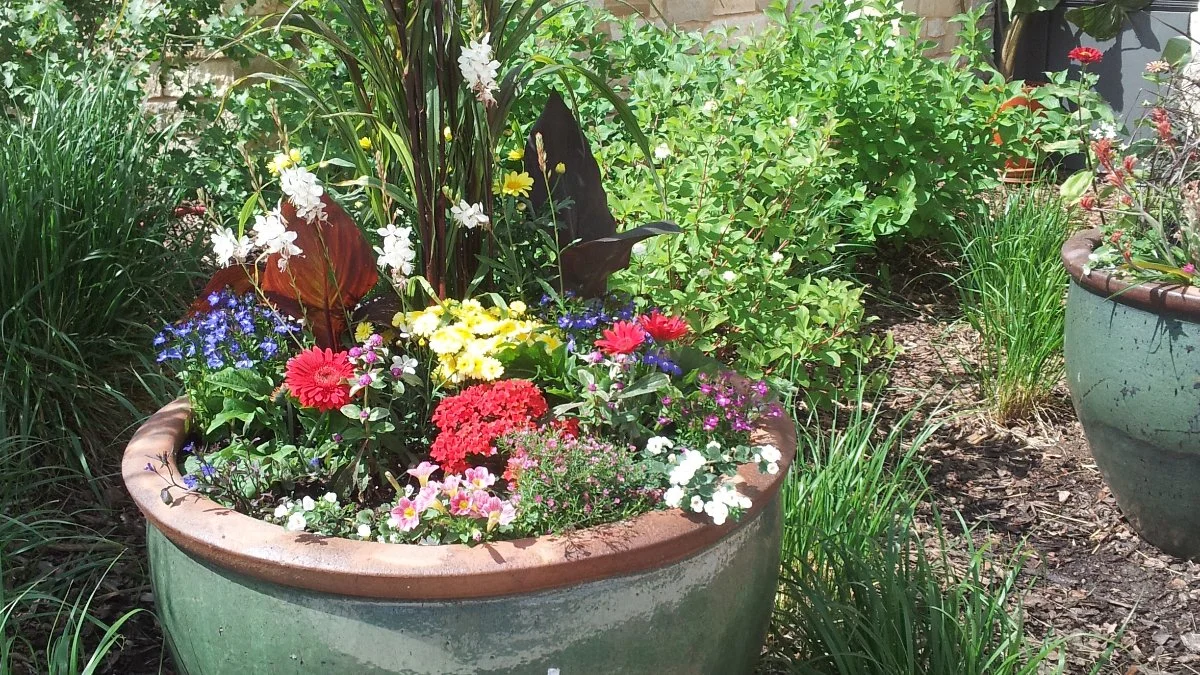
Containers on patios in Edgewater or Glendale should move against a wall or into a garage for the night if you can lift them. Elevated pots freeze faster than plants in the ground. Grouping pots together cuts heat loss a little and makes covering easier.
Wind, Walls, and Low Spots
Open corners of the yard cool off faster than beds tucked near the house. A south facing brick wall can trick early buds while the lawn ten feet away still acts like winter. Low pockets between houses in Centennial sometimes collect cold air on still nights, so the thermometer on your phone app may read milder than the spot where your magnolia opened too early. Walk the yard after dark once and note where frost shows first; those are the beds that earn covers and extra mulch.
Roses and fruiting shrubs are worth the effort when flower buds are already swelling. A bucket or upside down trash can over a small shrub beats nothing at all for one night. For larger flowering trees you cannot wrap, accept that you may lose this year’s display while the plant itself stays sound. That mindset saves a lot of stress when May snow arrives after a gorgeous April.
What Not to Do Right Before a Freeze
Hold off on heavy pruning that stimulates soft flushes you cannot protect. If a shrub is already damaged after the cold passes, wait until you can see clearly what is dead wood, then trim. Avoid high nitrogen lawn feeding that pushes tender top growth right before a known cold period. If you already applied feed, water normally and plan to let the turf grow at a steady height rather than scalping it low.
After the Cold: Reading the Damage
Give plants several days before you decide they are goners. Scratch a small twig with your thumbnail; green and moist underneath usually means the plant is alive above that point. If only tips are brown, leave them until new growth shows where to cut. For annuals you just set out, replace anything mushy and keep the rest on a steady watering rhythm once nights stabilize.
If beds look thin or you need a full refresh after a rough spring, our annual flowers team can replant for reliable color. Ongoing garden maintenance also helps you catch frost cracks, heaved perennials, and irrigation issues early in the season. If hard surfaces heaved during winter, note it for your landscape design visit so grading and bed edges can be corrected before summer watering begins.
When to Call for Help
Large specimen trees, repeated dieback on one side of a hedge, or new sod lifting after freeze thaw cycles are cases where a pro visit saves time. We can tie plant care to your broader landscape plan, from beds to irrigation startup timing so you are not watering frozen ground. If you want eyes on your property before the next cold night, contact us and we will point you in the right direction.
Late frost on the Front Range is part of the deal. A little covering, a little patience, and a steady hand on the mower and the hose usually get the yard through without drama. Save the heroics for the plants you truly love and let the rest recover at its own pace.