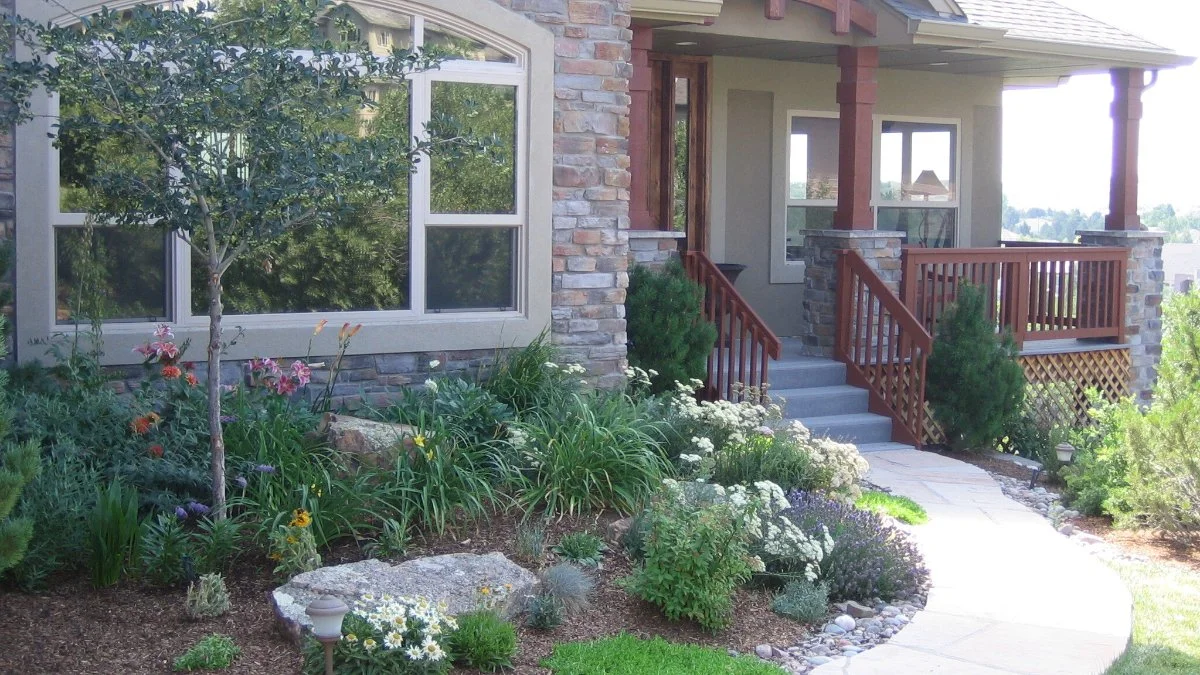
Pick the outlet before you pick the pipe
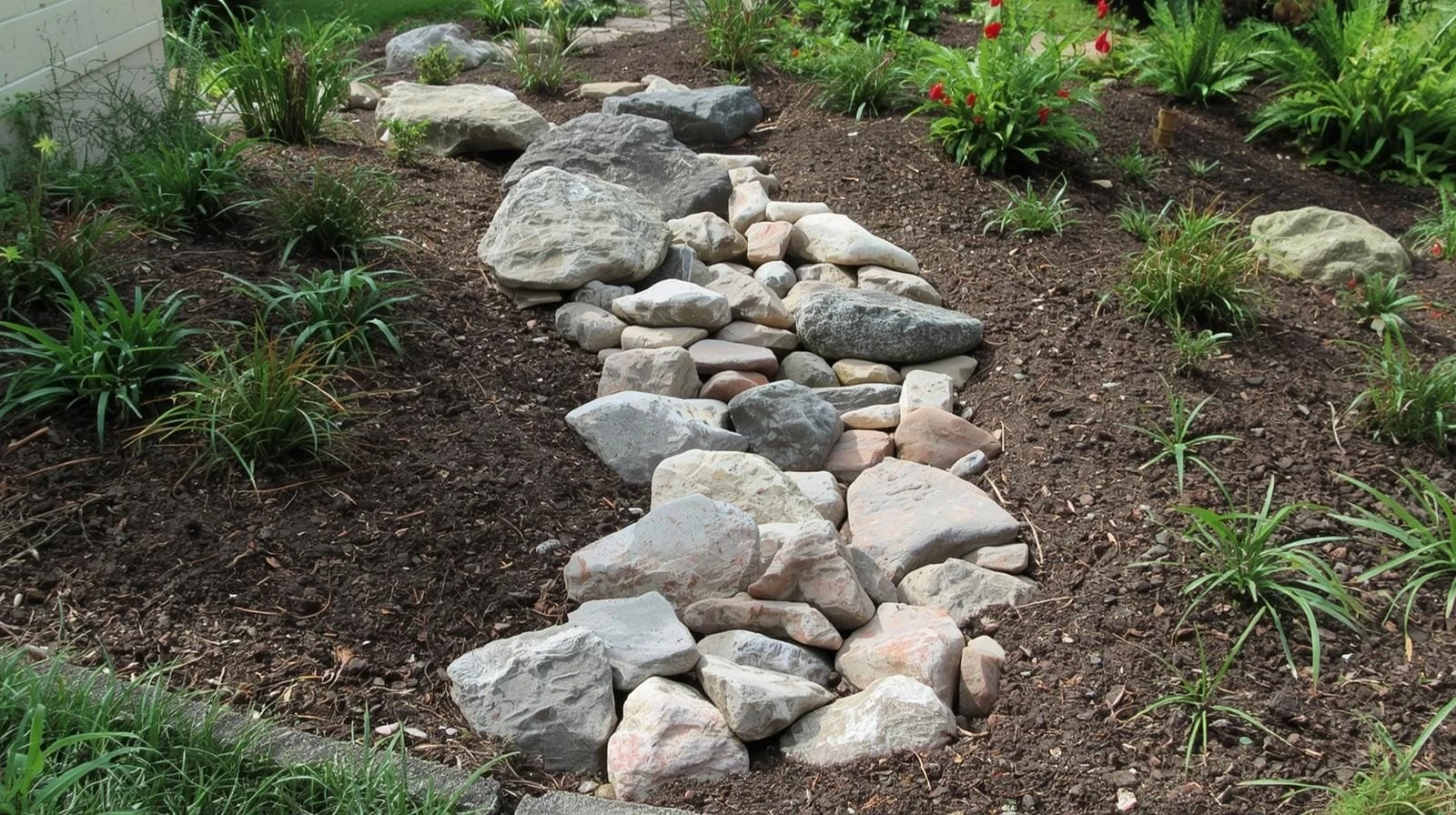
Front Range clay does not forgive a drain that ends on the walk.
A wet lawn in Denver or Lakewood is often a downspout with nowhere legal to go. Hail storms dump water fast. If the pipe finishes in the same low spot, you bought a French drain that stays full. Weston Landscape & Design maps a dry outlet before anyone digs.
Watch the storm, not the catalog
Stand outside after a gully washer. Watch roof water hit grade and where it sits. Garage aprons, window wells, and side yards on clay lots trap the last inch. Photograph the puddle and the downspouts. Write how long water stays.
HOA and municipal rules matter. You cannot push water onto the sidewalk as a plan. Confirm a legal discharge before materials show up. Pair this with landscape design so new walls do not create a new dam.
Clay, irrigation, and hardscape lie to a short trench
Denver clay does not perk like a brochure. A dry well in saturated clay fills and stays full. Check irrigation overlap. A zone that soaks the same corner every morning will look like a drainage failure.
A walk that already sheds water is an asset. Do not rebuild it just to hide a pipe. If the walk is the dam, fix grade with the hardscape, not with hope. Tree roots along the same path need tree and plant healthcare notes so a trench does not kill a keeper.
Keep the neighbor's yard out of the scope
Moving water off your patio onto their foundation is not success. The plan should name the outlet, the fall, and restoration on your lot only. A larger street-grade problem needs a different conversation. Weston will not pretend a bed drain solves that.
Send storm photos and downspout locations. Call (303) 944-7495 or contact us. More drainage notes sit on the blog.