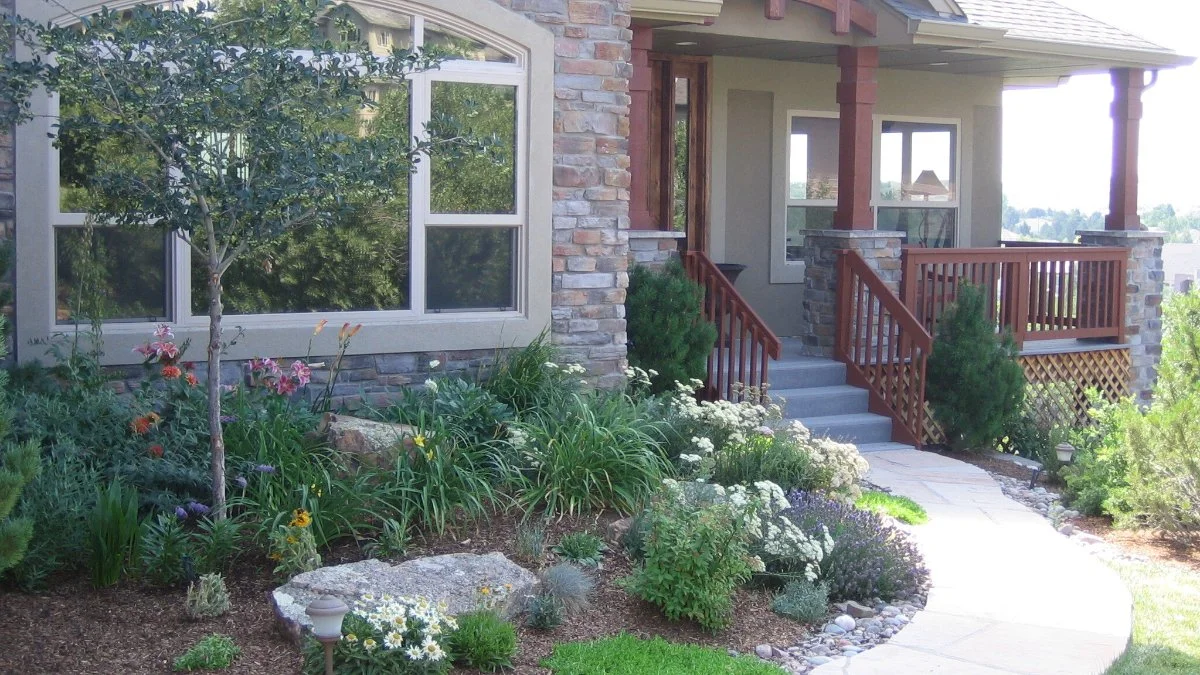
A lot of Denver yards follow the same frustrating pattern: a plant looks great in May, then July heat, dry soil, or one sharp cold snap wipes it out. Colorado native plants fix that problem better than almost anything else, because they already know how to handle life from Wash Park to the west side, where conditions can change block by block.
1. Start with blue grama for an easy native grass base
If your turf always looks tired by mid-summer, blue grama is one of the smartest swaps you can make. This native grass handles heat, low water, and Denver’s intense sun without asking for constant rescue. It has a soft, fine texture, so your yard still feels inviting instead of rough or wild.
Blue grama works best in sunny areas where you want a lower-maintenance lawn alternative, a meadow-style look, or a clean border around beds. The trick is expectations. It will not behave like a thirsty Kentucky bluegrass lawn, and that is the whole point. You get less mowing, less watering, and a landscape that actually makes sense here.
2. Add blanket flower for long color that can handle heat
Blanket flower gives you bright red, orange, and yellow blooms that keep going through the warm season, even when the afternoon sun feels relentless. Some flowers fade fast once the heat ramps up. This one doesn’t.
Give it full sun and well-drained soil, and it settles in nicely. It looks especially good in pollinator beds, along walkways, or in those baking hot spots near driveways and south-facing walls where fussier plants tend to give up. If you want color without babysitting, this is an easy yes.
3. Use rocky mountain penstemon for spring-to-early-summer blooms
Rocky Mountain penstemon brings upright flower spikes and a lighter, more vertical shape than the rounder flowers most yards lean on. That makes it useful when a bed needs height but not bulk. The blooms show up in spring into early summer, and hummingbirds notice.
The catch is drainage. Penstemon does best when soil does not stay soggy, especially after storms or irrigation. In the right spot, it gives you strong color and that classic Colorado look without turning into a maintenance project. Try it where you want a little structure in a sunny bed.
4. Plant yarrow where you need something tough and dependable
Yarrow is the plant version of a reliable pair of work gloves. It just keeps doing its job. Ferny foliage stays attractive, flat-topped blooms add a nice broad shape, and the plant handles drought better than a lot of traditional perennials.
That makes it useful in sunny borders, natural-style plantings, and filler spaces that need to look finished without needing much water. It also plays well with grasses, which matters if your yard leans more Front Range than formal garden. Some plants are high drama. Yarrow is not, and that is exactly why it earns a spot.
5. Try prairie coneflower for a wilder, more natural look
If you want your yard to feel a little looser and more connected to the plains, prairie coneflower gets you there fast. The narrow drooping petals and taller form add movement, especially when the wind picks up in the afternoon.
It blooms for a long stretch, supports pollinators, and works beautifully in xeriscapes and informal mixed beds. This is not the plant for a super tidy, clipped look. But if your goal is a landscape that feels alive instead of overly managed, prairie coneflower brings that easy, natural energy.
6. Use columbine in spots with part shade or gentler morning sun
Columbine is famous for a reason, but it gets planted in the wrong place all the time. If you tuck it into the hottest, driest corner of your yard, it will struggle. Put it in part shade or a spot with morning sun and afternoon protection, and it makes much more sense.
It does need regular water while getting established, especially in Denver’s dry air. After that, it fits nicely near patios, under open-canopy trees, or in protected beds that do not cook all day. If you have a spot that gets softer light and feels a little sheltered, columbine is a natural fit.
7. Plant serviceberry if you want a native shrub with multi-season payoff
Serviceberry earns its keep across more than one season, which is exactly what you want from a shrub. In spring, you get white flowers. Later, berries show up and attract birds. Fall brings strong color, so the plant keeps adding something long after many perennials are done.
Use it to anchor a foundation bed, soften a fence line, or build a more natural privacy screen. It has a relaxed look, not a stiff one, which works well in Denver landscapes that want structure without looking overly formal. For plant information and regional gardening guidance, Colorado State University Extension is a solid resource.
8. Choose rabbitbrush for late-season color and extreme toughness
Some sites are just plain difficult: full sun, lean soil, reflected heat, and not much forgiveness. Rabbitbrush was made for places like that. It brings silvery foliage most of the season, then bursts into yellow bloom late in summer when a lot of other plants start looking tired.
That late-season color matters more than people think. It keeps a low-water yard from fading out too early. If you have a harsh area where other shrubs struggle to hold up, rabbitbrush is one of the best Colorado native plants to try.
9. Mix in little bluestem for texture, height, and fall color
Little bluestem is one of those plants that makes the whole yard look better without hogging attention. Summer growth stays upright with a blue-green tone, and fall shifts into warm copper color that looks especially good in Denver light.
Even in smaller yards, it works because the form is vertical and tidy enough to mix into perennial beds. Pair it with blanket flower, yarrow, or penstemon, and you get contrast without trying too hard. Native grasses do a lot of quiet work in a landscape, and this one proves it.
10. Use creeping mahonia in tricky dry-shade areas
Dry shade is where many planting plans fall apart. Maybe it is under evergreens. Maybe it is along the north side of the house where turf never really takes. Creeping mahonia handles that kind of spot better than most.
It brings evergreen foliage, yellow flowers, and real year-round value in a place that often ends up looking sparse. If you have a shaded bed near a foundation and nothing seems happy there, this is the kind of plant that solves an actual problem instead of just filling space.
11. Match each plant to the right denver microclimate
Here’s the thing: native does not mean indestructible. A microclimate is simply a small pocket of different conditions within your yard. One area may bake next to concrete, another may stay windy, and another may hold cooler shade along the north side of the house.
That explains why one plant thrives in the front yard and struggles twenty feet away. Before planting, notice how sun moves, where water drains, and which corners stay exposed. The more closely you match plant to place, the less work your landscape asks from you later.
12. Group native plants for a yard that looks intentional, not random
A native plant yard looks best when it has some rhythm. Instead of planting one of everything, repeat a few plants in clusters. Mix grasses with flowering perennials, then layer heights so shorter plants sit in front and taller ones anchor the back or center.
That simple move changes everything. Your yard feels planned instead of scattered, and maintenance gets easier because plants with similar water and sun needs can live together. Start with one sunny bed, try blue grama, blanket flower, and little bluestem, and see how much better the space feels when the plants actually belong there.
- Disclaimer: This article is for general informational purposes only. It is not professional advice, a quote, or a service agreement. Conditions at your home or property may differ; contact a qualified professional for an on-site evaluation before making repair, safety, or spending decisions.
Disclaimer: This article is for general informational purposes only. It is not professional advice, a quote, or a service agreement. Conditions at your home or property may differ; contact a qualified professional for an on-site evaluation before making repair, safety, or spending decisions.