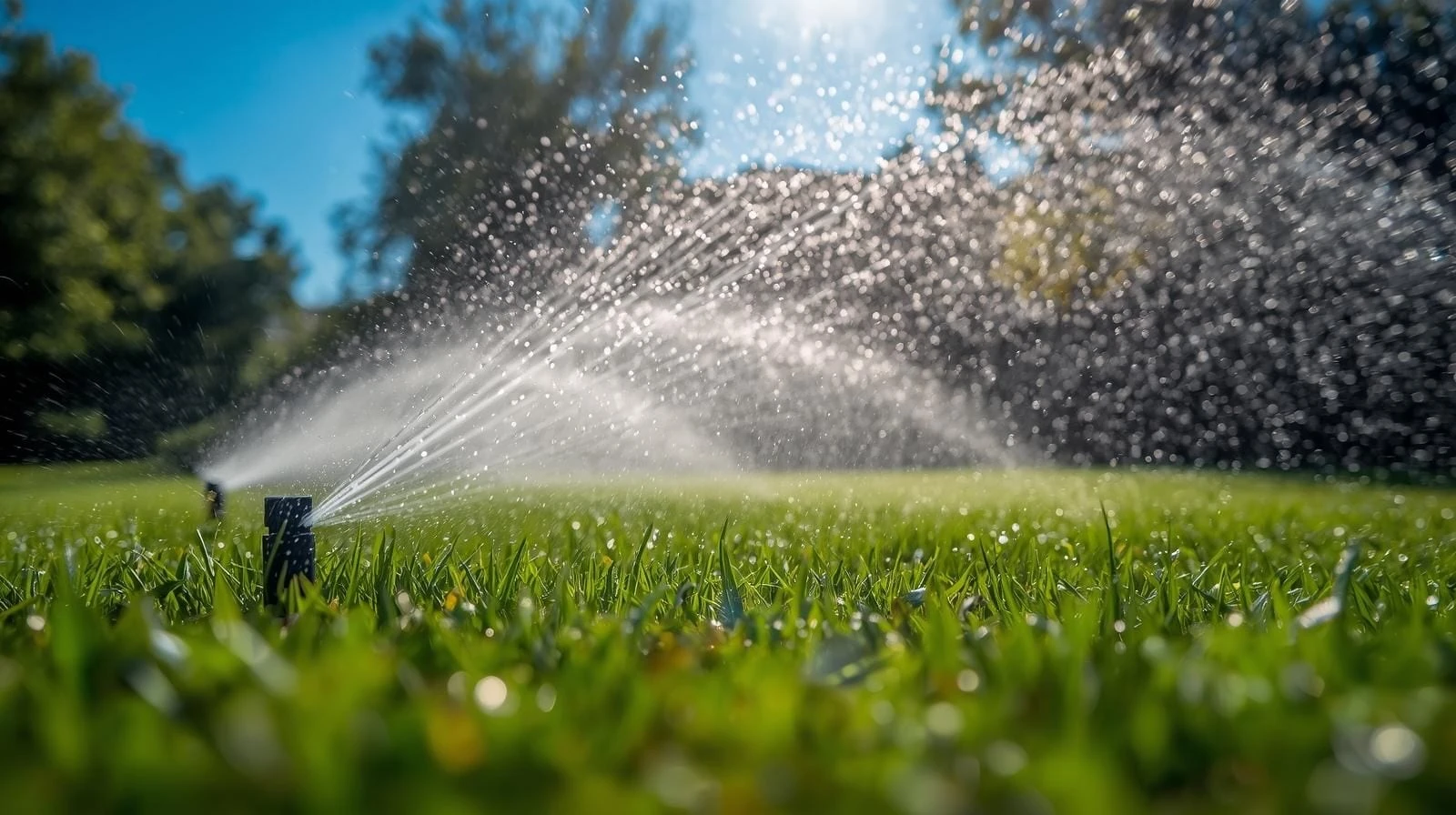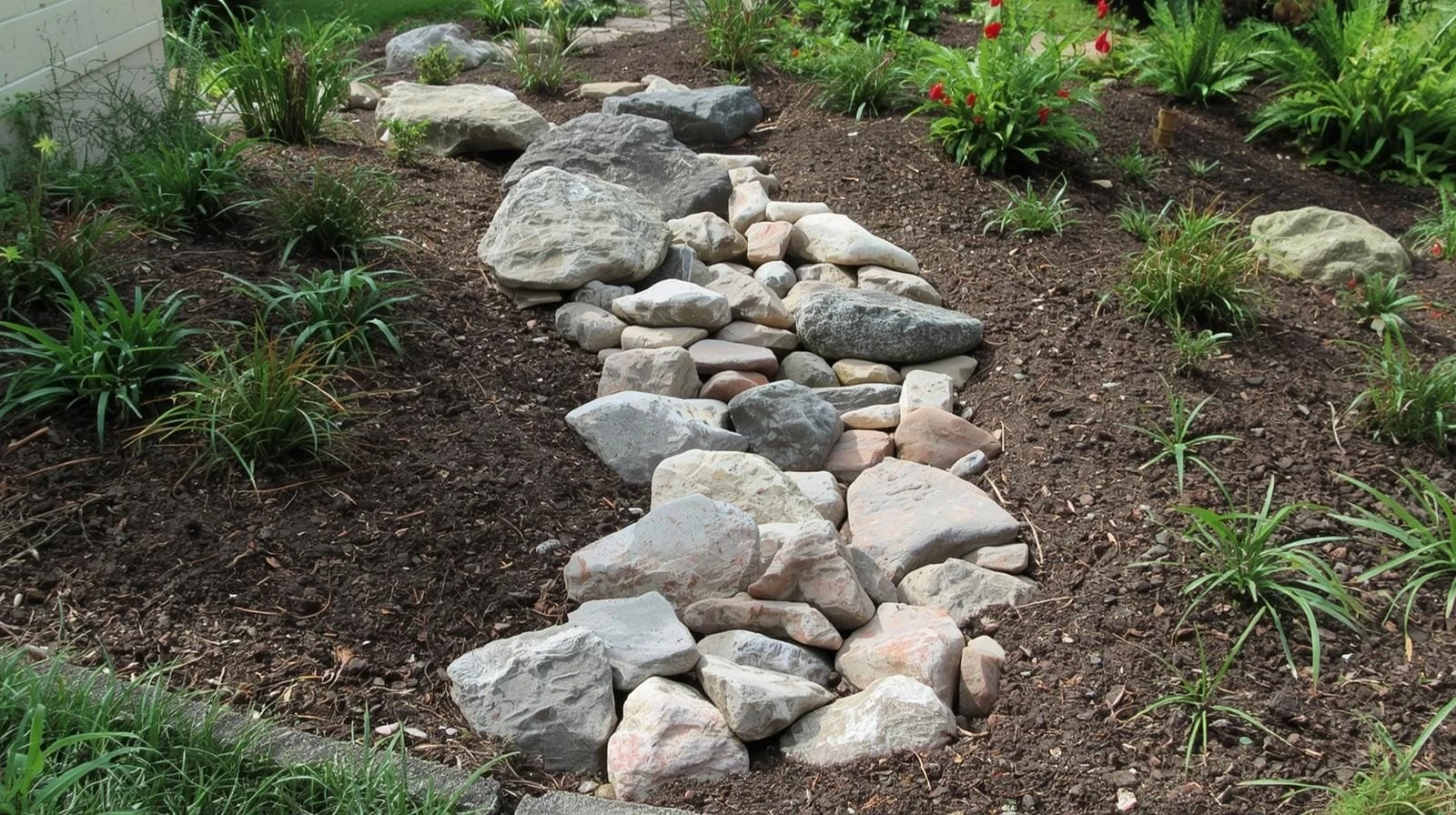
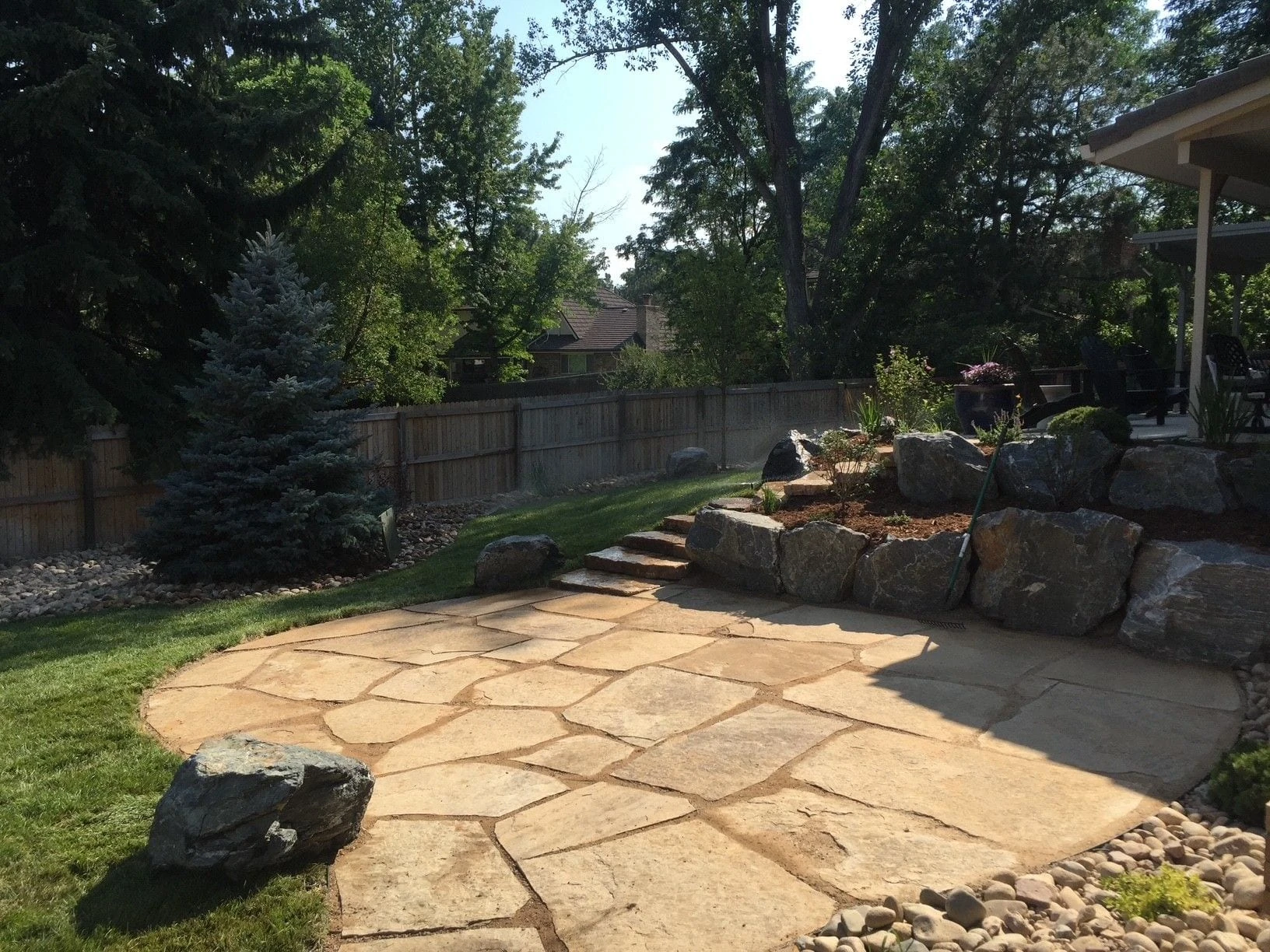
Before you leave for a trip this dry summer, someone else inherits your sprinkler controller, assigned watering days, and the dog path whether you write instructions or not. House sitters and neighbors do better with photos of dry spots, written zone notes, and your provider's day list than with a vague request to water the grass. Weston Landscape & Design routes irrigation, lawn, and landscape visits across the Denver metro on one calendar. This checklist is for departure week on real lots in Highlands Ranch, Arvada, and Wheat Ridge, not for pretending one global setting survives two weeks of Front Range heat alone.
Photograph trouble zones before you pack
Mark the shady zone that stays wet, the sunny strip that always dries first, and heads that throw onto pavement. A phone photo of the controller screen saves guesswork when sitters panic after one hot afternoon. Compare dry spots to last year's photos if you have them. See first sustained heat and irrigation checks for habits sitters inherit in June.
Leave the controller manual where a sitter can find it. Write your assigned outdoor watering days and cool-hour window on the fridge. If you are on Denver Water Stage 1, note that clearly so sitters do not invent extra days. List which zones should skip when soil two inches down is already moist. Confirm sensors or smart skips actually work before departure. A stuck sensor that never skips is how shady zones turn soggy while open turf browns.
Watering settings for while you are away
One deep cycle per zone on allowed days often beats light spritzes that train shallow roots on clay. Test each zone at dusk before keys change hands. Read our spring irrigation startup guide if heads and pressure were never verified after winter. Book irrigation startups when overlap leaves tan triangles beside walks.
If the trip runs long, irrigation repair catches valve leaks sitters cannot diagnose from a dry patch alone. Missed coverage on an assigned day leaves that strip dry until the next watering day. When to start watering your lawn in Denver reminds sitters to follow depth targets instead of flooding shade while fixing sun.
Mowing height and last cut timing
Schedule the last mow a day before travel so clippings are not piled on stressed turf. Leave grass slightly taller on sunny areas. Steady lawn mowing at proper height supports roots while you are gone. Scalping before departure shocks grass that already runs short on moisture.
Write the deck height on the fridge beside zone notes and watering days. Hold off on fertilizer until soil moisture makes sense two inches down. Once water is honest, lawn fertilization on a program supports color without pushing tender growth into a cold night.
Dog paths, beds, and mosquito edges
Mark where the dog turns and where kids cut to the gate so sitters do not park play gear on thin areas. Paths compress every season while center lawn still looks fine from the driveway. Read grub damage signs when wear and water overlap on the same strip.
Empty saucers, tip tarps so they do not cup water, and ask sitters to refresh birdbaths on a schedule. Mosquito control before departure pairs with breeding-site cleanup better than either alone. Garden maintenance before travel keeps shrubs from blocking spray patterns sitters never learned.
Return week without rewriting every zone
When you unlock the door, walk the yard at dusk after sprinklers run on a watering day before you change anything. Compare wet areas under trees to dry strips beside drives. Reset one zone at a time instead of turning up the whole system and overwatering shade. Getting your Denver yard ready for summer lines up return chores with realistic timing. For a fuller return-week plan, see restarting after a missed watering week away.
If sitters report spreading brown patches, contact Weston Landscape & Design with departure notes and photos. Flag compaction lanes for core aeration talk when you return if footprints stay visible after water is fixed. Downspouts that dump on turf need a note separate from open slope browning. Our drainage guide applies when puddles persist after normal watering cycles.