Hiring for landscaping in Denver sounds simple until you start getting estimates and realize one company means mowing, another means patios, and another only handles design. The trick is knowing what kind of help you actually need before anybody steps foot in your yard or on your property.
What “landscaping” actually covers in denver
Landscaping is a broad label, and that’s where a lot of bad hires start. You might want a fresh planting plan, weekly lawn care, irrigation repair, a new paver patio, or snow removal in January. All of that can fall under the same umbrella, but it is not the same job.
In Denver, landscaping often blends outdoor living, water-wise planting, seasonal maintenance, and weather prep. If you ask for “landscaping” when you really need design drawings, drainage correction, or ongoing maintenance, you can end up comparing bids that have almost nothing in common. Get specific early and the whole process gets easier.
Residential vs. commercial landscaping
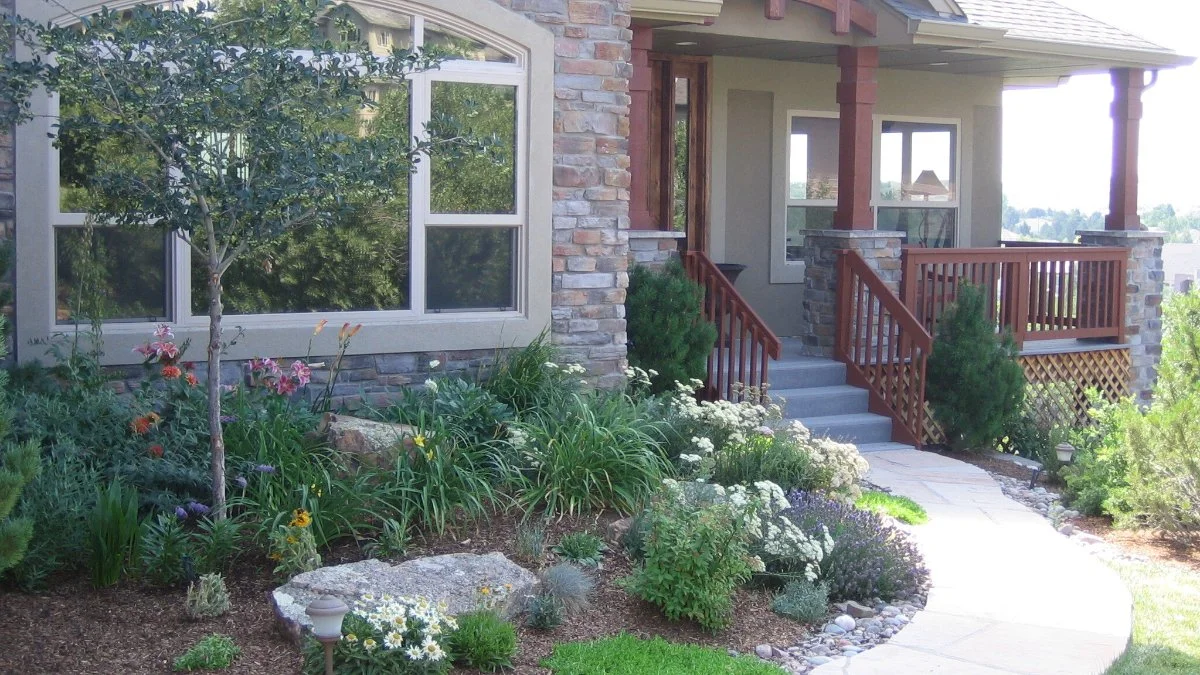
A home usually needs curb appeal, usability, and manageable upkeep. You may care about a backyard that works for dogs, kids, grilling, or low-water planting that still looks good by August. The schedule can be a little flexible, and the work is often more personal.
Commercial landscaping is different. Offices, retail sites, HOAs, apartment communities, and multi-site properties need consistency, safety, and predictable service. Snow response times matter more. Liability matters more. Missed mowing on a home is annoying. Missed snow removal at a business can become a real problem by 7:30 a.m. on a Tuesday.
Budgeting changes too. Residential projects often center on one-time upgrades plus optional maintenance. Commercial properties usually need recurring contracts, clear scopes, and documentation.
Design, build, and maintenance are not the same job
Design is the planning phase. That means layouts, planting choices, grading ideas, lighting plans, irrigation planning, and figuring out how the space should work before any soil gets moved.
Build is the installation phase. That covers hardscape work like patios and retaining walls, plus planting, sod, irrigation installs, and outdoor living features.
Maintenance is what keeps everything alive and presentable after the install. Think mowing, pruning, fertilizing, seasonal cleanup, sprinkler adjustments, and garden care.
Here’s the thing: some companies do one of these really well, some do two, and some handle all three. If you just need a cleanup and weekly mowing, a design-build firm may be more than you need. If you want to redo a sloped backyard with drainage issues and a fire pit, design-first is usually the smarter move.
Denver-specific things you need to ask about
Denver is not a place where generic landscaping advice works very well. The climate, soil, and water reality shape almost every good decision outdoors.
Climate, elevation, and soil conditions
Denver yards deal with intense sun, dry air, freeze-thaw cycles, spring snow, summer hail, and soil that can lean heavy on clay. That combination affects everything from what plants survive to whether a patio stays level.
Clay-heavy soil drains slowly, then bakes hard. Freeze-thaw cycles can shift pavers, crack edging, and stress shallow-rooted plants. Grading matters more than many people realize because water tends to show up in the wrong place fast during a storm.
A yard can look perfectly fine in May and struggle badly by late July in Highlands Ranch if the plant choices, mulch depth, and irrigation plan were wrong from the start. Ask how the company handles heat exposure, drainage, and soil prep, not just what looks good on install day.
Water rules and irrigation planning
Irrigation is not a side detail in Denver. It is one of the main things that determines whether your landscape stays healthy without wasting water.
A good irrigation plan should match plant zones, sun exposure, slope, and soil type. Sprinklers for turf and drip irrigation, which delivers water slowly at the root zone through tubing, should not be treated as interchangeable. They solve different problems.
You also want a company that understands local water restrictions and runoff concerns. Denver Water encourages efficient watering and seasonal adjustments, especially during hotter months (Denver Water). An irrigation system should include proper zoning, smart timing, and head placement that avoids spraying sidewalks and driveways. That sounds basic, but poor coverage is one of the most common reasons landscapes decline.
Four-season service needs, including snow
Landscaping in Denver is not just summer mowing. A property can need spring cleanup, mulch refresh, irrigation startup, summer maintenance, fall pruning, winter watering for some plants, and snow service once the temperature drops.
That matters because piecing together separate providers for each season can create gaps. Maybe the lawn gets mowed, but nobody checks broken sprinkler heads. Maybe snow gets plowed, but ice management is inconsistent around entryways. A year-round service relationship can prevent that handoff problem.
If you manage a commercial property, ask about snow response windows, trigger depth, ice treatment, and who monitors storms overnight. If you own a home, ask what off-season care is actually worth paying for and what can stay on an as-needed basis.
How to choose the right landscaping company
Pretty photos are nice. Reliability is better.
Licensing, insurance, and crew reliability
Before any work starts, verify that the business is legitimate, insured, and set up to put crews on your property safely. Liability insurance and workers’ compensation are not optional. If somebody gets hurt or something gets damaged, you do not want a paperwork shrug and a disappearing phone number.
Ask whether the crews are employees or subcontractors. Subcontracting is not automatically bad, but it does affect quality control, communication, and accountability. You also want to know who supervises the job and who your point of contact is when something changes.
Portfolio, reviews, and local experience
A strong portfolio should show work that actually resembles your project. If you need HOA maintenance, photos of a backyard pergola do not tell you much. If you need drainage correction on a sloped lot, close-up shots of flowers are not enough.
Reviews matter most when they mention communication, timeliness, cleanup, and problem solving. Anybody can have a smooth project when the weather cooperates and the site is easy. The more useful signal is how issues got fixed when something went sideways.
Local experience counts in Denver because climate and soil punish shortcuts. A company that understands plant survival, irrigation timing, and hardscape movement in Front Range conditions is worth more than one with prettier marketing.
Communication, scheduling, and scope clarity
The best landscaping company for your project may not be the one with the flashiest design ideas. It may be the one that returns calls, explains the proposal clearly, and gives a realistic schedule.
Look for a written scope that says what is included, what is excluded, how changes are handled, and what happens if weather delays the job. Ask who manages the project day to day. Ask how often you get updates. Silence during a project is where budget creep and frustration like to hide.
Services worth comparing before you hire
Not all estimates are built around the same kind of work. Compare category to category, not apples to patio stones.
Landscape design and outdoor living
If your project includes patios, walkways, retaining walls, lighting, fire pits, seating areas, or a full rework of how the yard functions, a design-first approach usually pays off. It helps you solve layout, drainage, and material choices before the build crew starts.
This matters most for larger yards, sloped sites, and spaces that need to do multiple jobs at once. A simple refresh can often skip formal design. A yard with elevation changes, entertainment goals, and planting needs usually should not.
Lawn care, garden maintenance, and seasonal cleanup
Routine maintenance covers mowing, edging, pruning, mulching, fertilizing, aeration, weed control, and care for planting beds. One-time seasonal cleanup is different. That usually means debris removal, cutting back, leaf cleanup, bed refresh, and getting the landscape ready for the next season.
The catch is that some companies price maintenance assuming a healthy, already-managed property. If your yard has been neglected for a while, the first visit may need a reset before routine service makes sense.
Irrigation, drainage, and plant health
A nice-looking yard can still fail if the system behind it is wrong. Sprinkler installs and repairs, drip zones, grading fixes, drainage correction, and tree or shrub care matter because they address the cause, not just the symptoms.
That is especially true if you notice pooling water, turf burnout, or plants that keep struggling in the same spot. Replacing dead plants without fixing watering or drainage is like repainting a wall without fixing the leak behind it.
Pricing, proposals, and red flags to watch for
Landscaping prices vary for real reasons. Some are obvious. Some are buried in the fine print.
What affects landscaping costs in denver
Cost changes with project size, material choices, access to the site, grading difficulty, irrigation complexity, plant size and variety, maintenance frequency, and snow service expectations. A flat, open backyard is easier to work on than a narrow lot with steep access and drainage issues.
Paying more should get you something tangible. Better drainage planning, stronger base prep under hardscapes, smarter irrigation zoning, or more durable materials can save money later. Paying more for vague “premium service” is another story.
How to compare estimates without getting tricked by the lowest number
Read the line items. Look at materials, quantities, cleanup, haul-off, warranty terms, and any allowances. An allowance is a placeholder budget for something not fully chosen yet, and that number can hide future cost increases if it is unrealistically low.
The cheapest bid can be like buying a sofa without asking if the legs are included. Maybe it looks like a bargain until you realize irrigation repairs, soil prep, debris removal, or final grading were left out. Compare scopes side by side and ask for missing details in writing.
Common hiring mistakes to avoid
A few mistakes show up again and again:
- Hiring without a written scope
- Choosing on price alone
- Skipping references and reviews
- Ignoring irrigation and drainage
- Forgetting post-install maintenance
- Assuming all crews do snow service
Each one creates the same problem: surprises later. Landscaping goes much better when expectations are set before the estimate becomes a contract.
Best fit by property type and next step
A good fit depends less on who sounds impressive and more on who matches your actual property needs.
If you need help for a home
For a home, start with how you want the space to feel and how much upkeep you can realistically handle. If curb appeal matters most, focus on planting, lawn condition, edging, and front entry impact. If backyard use matters more, think about shade, patio space, pets, traffic flow, and irrigation.
A simple refresh, full redesign, and routine maintenance are three different purchases. Match the company to the job, not just the nicest website.
If you need help for a business or commercial property
Commercial properties need consistency above almost everything else. You want a company that can keep the site safe, presentable, and responsive across seasons. That includes dependable irrigation, clear maintenance schedules, clean edges, snow response, and fast communication when something breaks.
For offices, retail, multifamily properties, and HOAs, professional appearance matters, but so does documentation and follow-through. A company that handles a beautiful install but misses winter response is not a good commercial fit.
Questions to ask before you book an estimate
Before you book, make a short must-have list and bring it into the conversation. Include what service you actually need, who does the work, what is included, how long it should take, how weather delays are handled, what maintenance looks like after installation, and what local issues stand out on your property.
That one small step changes everything. Instead of reacting to sales pitches, you can compare landscaping companies in Denver based on the things that actually matter to your yard, your property, and your budget.
- Disclaimer: This article is for general informational purposes only. It is not professional advice, a quote, or a service agreement. Conditions at your home or property may differ; contact a qualified professional for an on-site evaluation before making repair, safety, or spending decisions.
Disclaimer: This article is for general informational purposes only. It is not professional advice, a quote, or a service agreement. Conditions at your home or property may differ; contact a qualified professional for an on-site evaluation before making repair, safety, or spending decisions.