Types of landscaping services cover everything that shapes, builds, maintains, and protects your outdoor space. If you live or manage property in Denver, that matters a lot more than it sounds, because a yard in Wash Park or a commercial site near DTC usually needs more than mowing and fresh mulch. By the end of this guide, you’ll know what each service actually includes and how to tell which ones fit your property.
What counts as a landscaping service for a denver property
Landscaping is the full umbrella. Lawn mowing sits under it, but so do design plans, patios, irrigation, drainage fixes, planting, outdoor lighting, and snow removal. Think of it like home improvement outside your walls: some services keep things running, some change how the space looks, and some solve problems you only notice once something goes wrong.
That broader definition matters in Denver because outdoor spaces deal with intense sun, dry air, clay-heavy soils in many areas, sudden temperature swings, and winter storms that can dump snow fast and disappear just as fast. Your property may need care in every season, not just summer. A nice-looking yard is part of the picture, but function matters just as much.
Landscape design and planning services
Design and planning services happen before plants go in the ground or pavers get set. This is the front-end work that helps your project make sense, both visually and practically. If installation is the building phase, design is the blueprint that keeps expensive mistakes from showing up later.
Design consultation
A design consultation is usually a walk-through of your property with advice focused on your goals, trouble spots, and budget. You talk through what feels off, maybe a front bed that looks sparse, a backyard that gets blasted by afternoon sun, or a side yard that turns muddy every spring. You get direction on layout, plant choices, drainage concerns, maintenance expectations, and realistic priorities.
Sometimes that is all you need. If your goal is to refresh a planting bed, figure out why water is pooling near the foundation, or decide whether sod makes sense, a consultation can save time and money without going into full design mode.
Full landscape design
A full landscape design goes much deeper. This usually includes a scaled plan, planting layout, hardscape concepts, material recommendations, lighting ideas, and sometimes a phased approach if you want to tackle the project over time. Instead of vague ideas like “add more color,” you get a clear map for what goes where and why.
In Denver, full design work often pays off because site conditions can change fast from one yard to the next. South-facing exposure can bake a lawn by July. Sloped lots can send water exactly where you do not want it. Water-wise planting choices, shade planning, and irrigation layout all work better when somebody looks at the whole property instead of one isolated feature.
Lawn and planting services
This is the part most people picture first. Grass, shrubs, flowers, mulch, clean edges. But lawn and planting services can range from simple upkeep to ripping out a struggling lawn and starting over.
Lawn care and routine maintenance
Routine lawn care is the “keep everything tidy and healthy” category. It usually includes mowing, edging, trimming, fertilizing, weed control, aeration, and seasonal cleanup. The goal is not to redesign your yard. The goal is to keep the yard you already have looking good and performing better.
That distinction matters. If your lawn is healthy but overgrown, maintenance fixes it. If your lawn is patchy because irrigation is broken or the layout never made sense, mowing alone will not solve the real problem.
Sod, seeding, and lawn renovation
This category covers new lawn installation, patch repair, overseeding, dethatching, and full turf replacement. A renovation is what happens when basic maintenance is no longer enough.
A tune-up works when your lawn has some thin spots, minor wear, or winter damage. Starting over makes more sense when large sections are dead, drainage is poor, weeds have taken over, or the grass type simply is not working for the site. It is a bit like repainting versus replacing drywall. One is cosmetic. The other fixes the underlying issue.
Planting and garden bed services
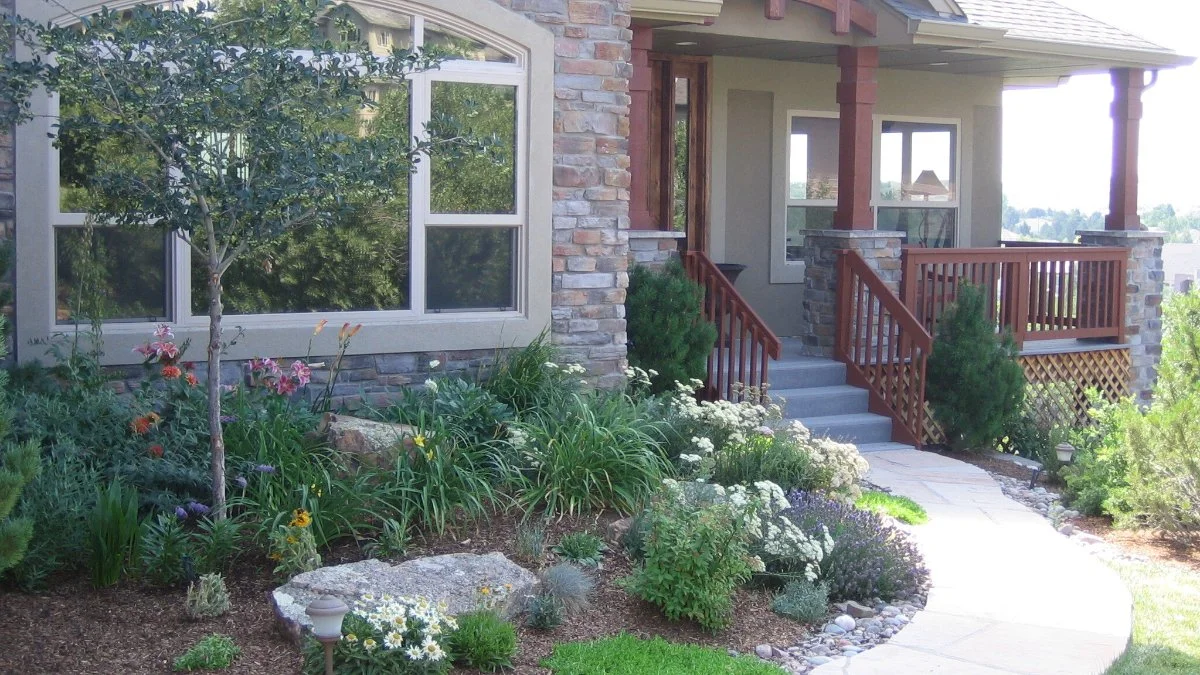
Planting services include trees, shrubs, perennials, annual flowers, mulch installation, bed shaping, and bed refreshes. If your property feels flat, bare, or disconnected, this is often where the visual change happens fastest.
Plant choice matters a lot in Denver. Freeze-thaw swings can stress roots, summer sun can scorch delicate varieties, and low moisture changes what succeeds long-term. A bed that looks great in May but fries by August is not a good planting plan, no matter how pretty it looked at install.
Artificial turf
Artificial turf fits best in spaces where natural grass struggles or creates more work than it is worth. Pet runs, play areas, shady side yards, and low-water landscapes are common examples.
The appeal is easy to understand: less watering, less mud, and less maintenance. The tradeoff is that it is an installation service, not a lawn care service. It needs proper base prep, drainage planning, and edge work to look good and last. It also behaves differently in heat and under heavy use, so it is not simply “grass without maintenance.”
Hardscaping and outdoor living services
Hardscaping means the built, non-living parts of your landscape. Patios, walls, walkways, steps, and outdoor structures all fall into this category. Here’s the thing: this is where landscaping starts to overlap with construction, because the work changes how you move through and use your yard.
Patios, walkways, and driveways
Patios, paths, entry walks, and driveway improvements do more than boost curb appeal. They solve use problems. A paver patio creates an actual place to sit. A walkway keeps you out of mud after a spring storm. A driveway upgrade can improve both appearance and durability.
Materials vary, from concrete to flagstone to pavers, but the purpose stays the same: cleaner movement, better usability, and a finished look that ties the property together.
Retaining walls and grading
Retaining walls hold back soil and create level areas where a slope would otherwise make the space hard to use. Grading means shaping the land so water flows where it should and surfaces sit at the right height.
This is a big one in the Denver area. Sloped lots, erosion, and drainage issues often show up together. If your backyard feels tilted, your fence line is washing out, or water keeps collecting where you walk, grading and retaining work may be more useful than any planting upgrade.
Decks, pergolas, and outdoor living features
Decks, pergolas, outdoor kitchens, built-in seating, and fire features all fall into the “use your yard more often” category. These are not just decorative extras. Done well, they turn outdoor space into real living space.
A pergola can make a sunny patio usable at 5 p.m. in July. A fire feature can stretch patio season into chilly fall evenings. The point is comfort and function, not just a nicer view from the window.
Fencing and property boundaries
Fencing includes privacy fences, decorative fencing, gates, and enclosure projects for pets, kids, and security. It often gets grouped into larger landscape upgrades because it shapes the whole property visually and functionally.
Sometimes the need is obvious. You want privacy. You need a gate that actually latches. You are tired of a dog turning every open edge into an escape route. Fencing solves practical problems while finishing the boundaries of the yard.
Water, drainage, and irrigation services
Some of the most valuable landscaping work is the part you barely notice once it is done right. Water systems, drainage fixes, and irrigation planning protect both your plants and your property.
Irrigation system installation and repair
Irrigation services include sprinkler installation, drip irrigation, zone planning, smart controllers, repairs, seasonal startup, and fall blowouts. In Denver’s dry climate, efficient watering beats frequent guesswork every time.
A good system waters the right areas at the right rate. Lawns, shrubs, and garden beds rarely need the same schedule, which is why zones matter. Drip irrigation, for example, sends water slowly to plant roots instead of spraying it into the air and hoping for the best.
Drainage solutions
Drainage work includes downspout extensions, swales, French drains, catch basins, dry creek beds, and regrading. The job is simple in theory: move water away from foundations, patios, walkways, and low spots before it causes damage.
The catch is that bad drainage often looks like something else at first. Dead lawn patches, muddy corners, shifting pavers, and basement moisture can all point back to water moving the wrong way. Fixing the symptom without fixing the flow gets expensive fast.
Water-wise landscaping and xeriscaping
Xeriscaping means designing a landscape to use less water without giving up beauty or function. It does not mean covering the yard in rock and calling it done.
A good water-wise landscape mixes low-water plants, mulch, efficient irrigation, and smart spacing. In Colorado, that often means choosing hardy plantings that can handle sun, wind, and dry spells while still giving your yard shape, color, and seasonal interest.
Seasonal and specialty landscaping services
Some services show up at specific times of year. Others solve one-off needs that do not fit neatly into weekly maintenance. Together, these round out what landscaping really includes.
Spring and fall cleanups
Spring and fall cleanups usually include leaf removal, cutbacks, debris cleanup, bed prep, haul-away, and winter prep. These visits reset the property so regular maintenance can work better.
Spring cleanups clear out the mess winter left behind. Fall cleanups get beds, lawns, and irrigation systems ready for colder weather. It is basic work, but it makes everything else easier.
Tree care, pruning, and removal
Tree services can include trimming, shaping, health pruning, storm cleanup, stump grinding, and removal. Smaller jobs often fit under landscaping. Large, risky, or diseased tree work may need a dedicated tree specialist.
That line matters because mature trees affect safety, roofs, fences, power lines, and irrigation zones. A badly placed cut can create bigger problems than an overgrown branch.
Outdoor lighting
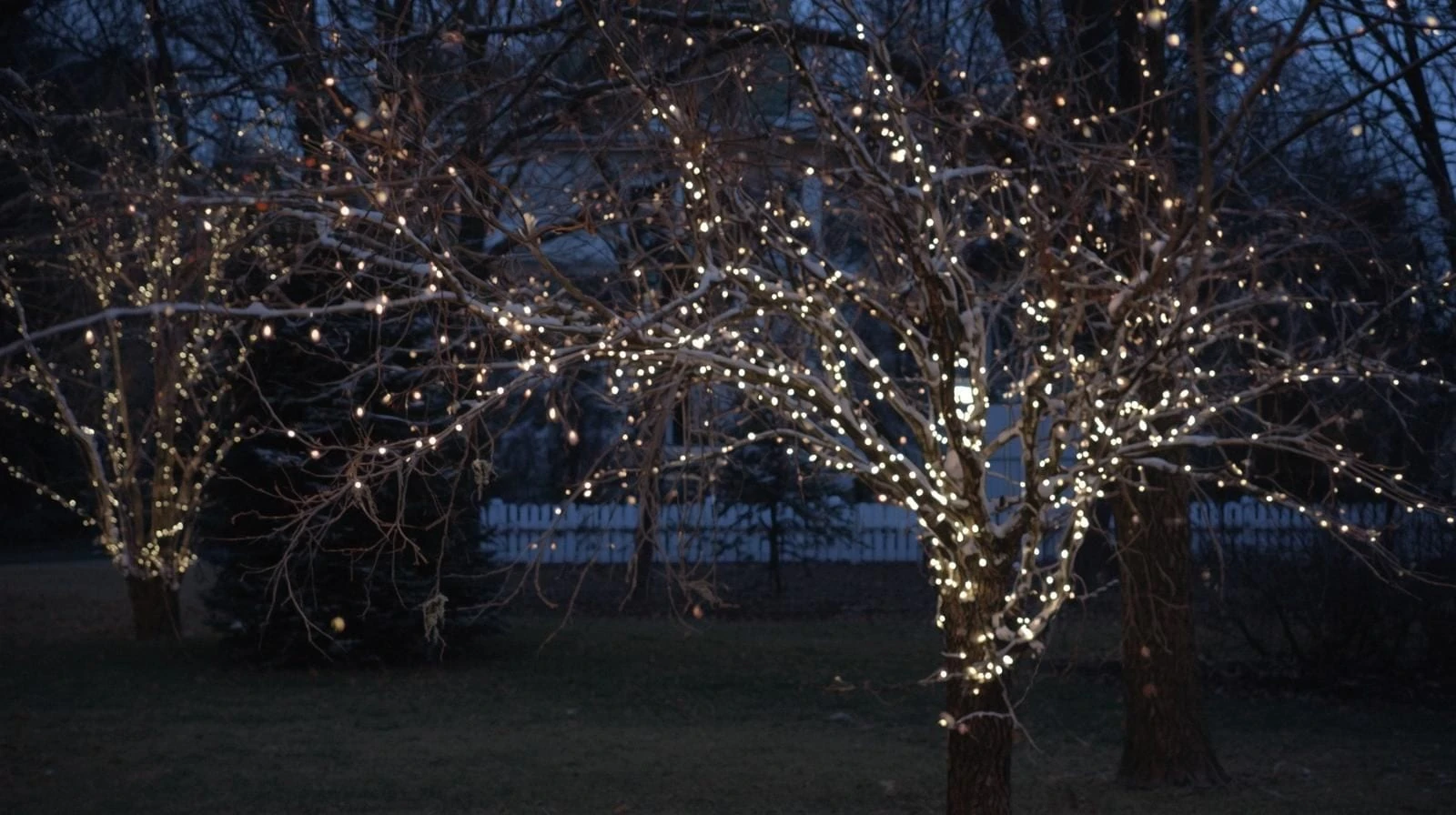
Outdoor lighting includes pathway lights, accent lighting, security lighting, and low-voltage systems. Part of the value is visual, but a lot of it is practical. Better-lit steps are safer. Entry paths feel more welcoming. Patios stay useful after sunset.
It is one of those upgrades that can feel minor on paper and make a huge difference in real life.
Snow removal and ice management
In Denver, snow removal is not an extra. It is part of year-round property care. Services can include residential shoveling, commercial plowing, sidewalk clearing, de-icing, and storm response.
For homes, the focus is usually access and safety. For commercial sites, it is also about liability, tenant expectations, and keeping the property functional during unpredictable winter weather.
Residential vs. commercial landscaping services
The same broad categories apply to both homes and businesses, but the priorities look different depending on the property.
What residential landscaping usually includes
Residential landscaping usually centers on curb appeal, outdoor living, lawn and bed care, irrigation, and seasonal upkeep. You want a home that looks good, feels comfortable, and does not create endless weekend chores.
That may mean a new patio, easier-care planting beds, better drainage, or a simpler lawn plan that survives summer without constant babysitting.
What commercial landscaping usually includes
Commercial landscaping is more about consistency, safety, access, and appearance at scale. Maintenance schedules tend to be tighter. Irrigation monitoring matters more. Snow contracts become a real priority. Polished, predictable results matter because customers, tenants, and visitors notice neglect immediately.
A multi-site property in greater Denver usually needs systems and routines, not occasional touch-ups.
How to choose the right types of landscaping services for your property
If the list feels long, that is normal. The trick is to start with the outcome you want, not the service name.
Start with the problem you want to fix
Patchy lawn, standing water, no shade, a cracked patio, too much upkeep, poor curb appeal. Name the frustration first. Once you do that, the right category gets easier to spot.
If the issue is muddy foot traffic, you probably need a path or grading, not more grass seed. If the issue is a front yard that feels empty, planting or design may matter more than weekly mowing.
Know when you need maintenance, improvement, or a full redesign
Maintenance keeps an existing landscape healthy and neat. Improvement means targeted upgrades, like replacing sod, adding beds, fixing irrigation, or building a patio. A full redesign changes the overall layout, style, and function of the space.
This is where people get mixed up. Mowing will not fix drainage. A bed refresh will not solve a poor backyard layout. And a beautiful patio still will not help much if water drains straight across it.
Questions to ask before hiring
Before hiring, get clear on scope, timeline, materials, irrigation impact, cleanup, and seasonal timing. Ask whether design and installation are handled separately or together. If snow service is involved, ask how storm response works and what triggers a visit.
Simple questions save a lot of confusion. You want to know what is included, what is not, and what your property will actually look like when the job is done.
Common questions about landscaping services
Is landscaping the same as lawn care?
No. Lawn care is one slice of landscaping, like coffee is one part of breakfast, not the whole table. Landscaping includes lawn care, but also design, planting, irrigation, drainage, hardscaping, outdoor living, lighting, and snow removal.
Which services add the most value?
The most valuable services usually make your property easier to use and easier to maintain. Patios, clean planting design, irrigation improvements, drainage fixes, and consistent maintenance all tend to pay off because you feel the difference right away, not just when it is time to sell.
What services make the most sense in Denver’s climate?
In the Front Range, irrigation, xeriscaping, drainage, hardy planting, seasonal cleanup, and snow removal deserve extra attention. Denver weather can swing fast, and your landscape has to handle dry stretches, hot sun, sudden cold, and snow season without falling apart.
Can you bundle services into one ongoing plan?
Yes, and for a lot of properties, that is the simplest setup. Routine maintenance, irrigation checks, seasonal cleanups, and winter service often fit into one year-round plan, which means fewer gaps, fewer surprises, and a property that stays cared for in every season.
Once you understand the types of landscaping services, the choices get a lot less fuzzy. Start with the one problem that annoys you most, then match it to the service that actually fixes it. That one step usually turns a vague idea like “fix the yard” into a plan you can use.
- Disclaimer: This article is for general informational purposes only. It is not professional advice, a quote, or a service agreement. Conditions at your home or property may differ; contact a qualified professional for an on-site evaluation before making repair, safety, or spending decisions.
Disclaimer: This article is for general informational purposes only. It is not professional advice, a quote, or a service agreement. Conditions at your home or property may differ; contact a qualified professional for an on-site evaluation before making repair, safety, or spending decisions.