Watch the arc before you change the lawn program
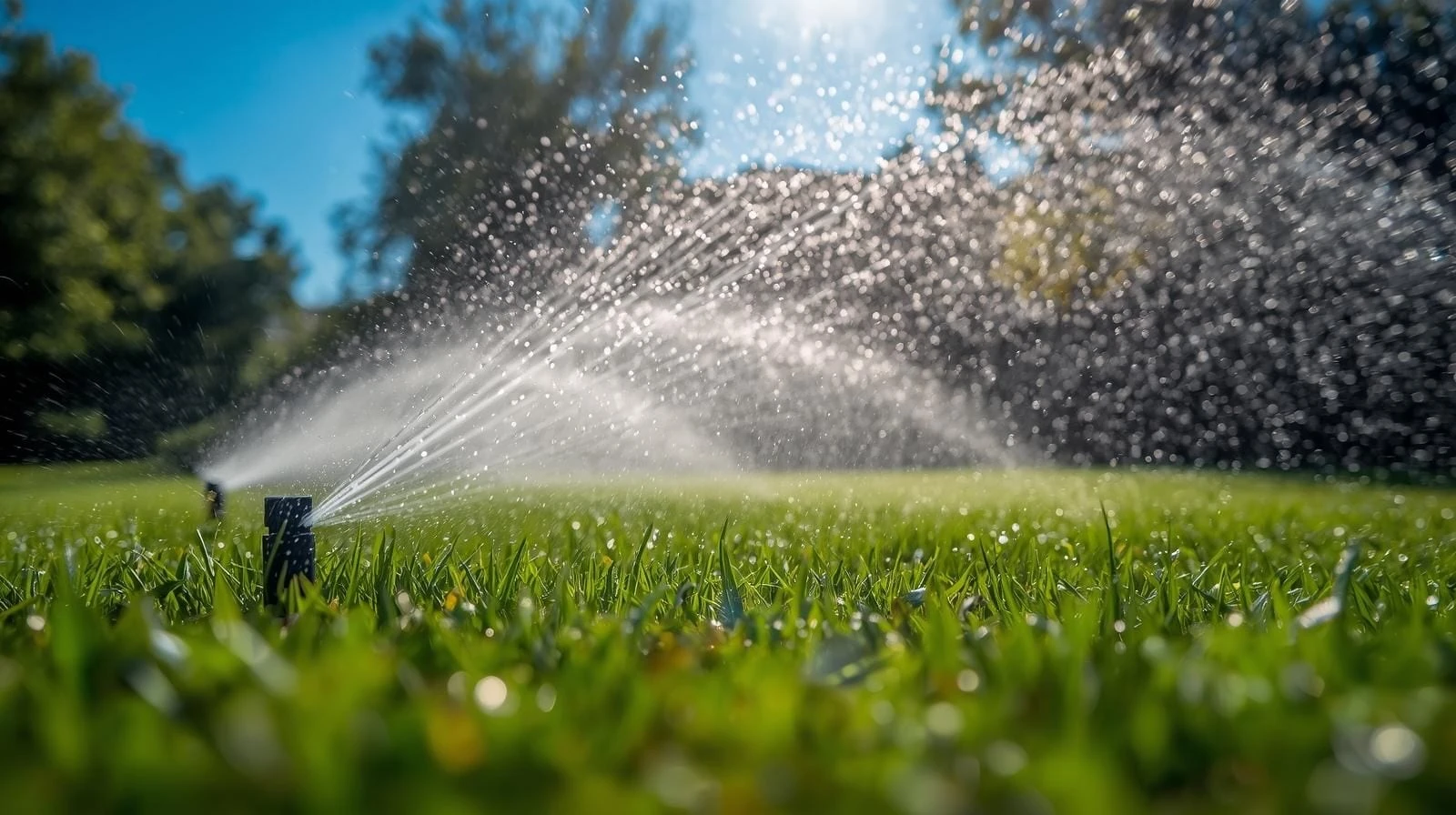
Front Range brown turf often starts with the sprinkler arc, not the fertilizer bag.
A west-facing strip in Denver or Highlands Ranch cooks when a head never pops. Feeding that area harder will not paint it green. Watch one full cycle first. Weston Landscape & Design treats irrigation and lawn fertilization as two jobs.
Run the zone and map the dry pie
Turn the station on. Walk the turf. A pie-shaped dry patch that matches one head is irrigation. A blotch against a south wall may be reflected heat and compaction. Probe the brown patch and a green patch beside it. Dry vs moist soil ends the fertilizer argument.
Photograph the pattern while the system runs. Write the station number and minutes. HOA watering days still need the water to land on the grass, not the drive.
Wind, slope, and mixed nozzles lie to the clock
Denver wind pushes fine spray. A head at the top of a berm throws differently than a head on the street side. Match nozzles on a zone. Mixed nozzles drown one corner and leave the next straw. High pressure mists and never soaks roots. Low pressure never reaches the far edge.
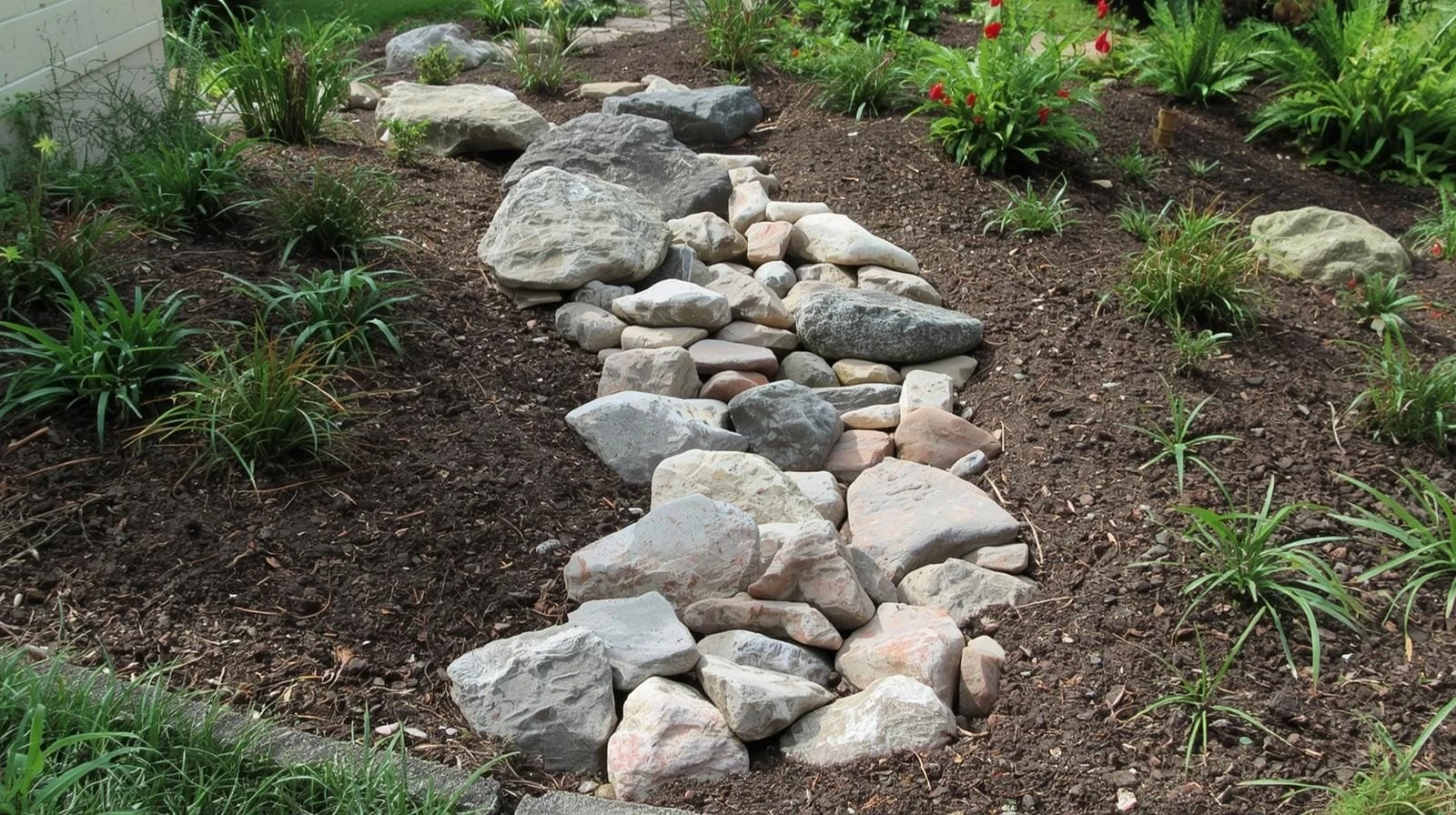
New rock beds and trees steal throw. If you added planting through landscaping, the old head layout may no longer cover the turf that remains. Tree stress along hot walls belongs to tree and plant healthcare, not a longer runtime.
Fix heads, then talk fertility
Raise sunken heads. Clear clogged nozzles. Straighten tilted heads. Re-run the zone. Only then change feeding or seeding. Extra water on a misaimed head can make disease in the wet panel. Extra fertilizer on dry crowns can burn them.
If the same corner stays soggy after a storm, that is drainage, not a short clock. Send the dry shape and your current minutes. Call (303) 944-7495 or contact us. More irrigation notes sit on the blog.