You raked the obvious debris, yet one corner still looks threadbare. Maybe snow sat there for weeks, maybe the dog found a favorite path, or maybe last summer’s heat caught a thin spot along the drive. Now you are weighing two familiar words: sod and seed. Both can work on the Front Range. The better fit depends on how fast you want green cover, how large the area is, how much you like daily watering, and whether the soil underneath is ready to support new roots.
Weston Landscape & Design installs sod, handles new lawn seeding and overseeding, and often pairs establishment work with aeration and lawn fertilization. Nothing here replaces a soil test or an on site walk, but the framework below matches how we explain choices to homeowners from Wheat Ridge to Lone Tree.
When sod is the practical first move
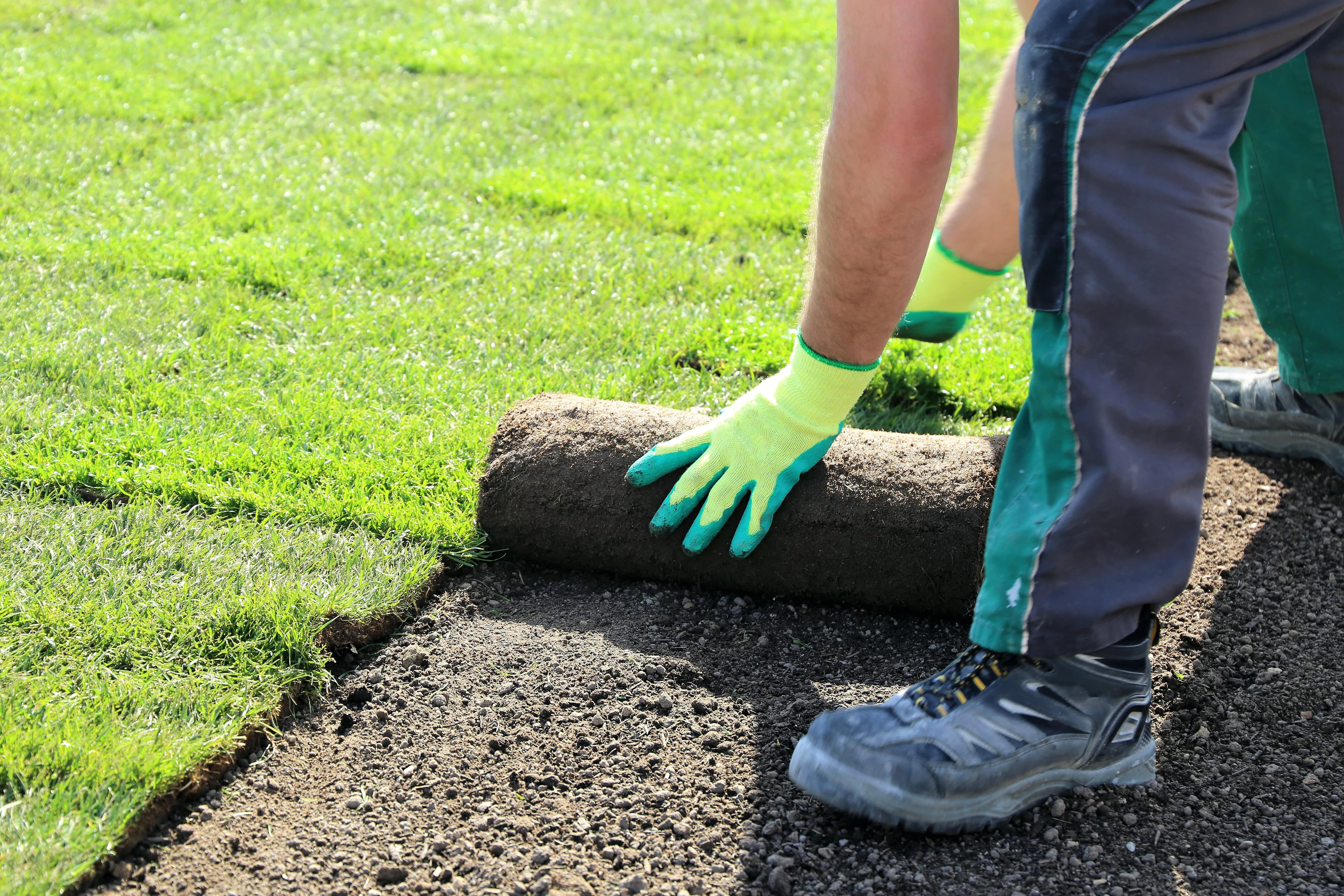
Sod gives you an instant lawn surface. That matters when erosion is a worry on a part of your yard, when dust and mud track into the house, or when you need presentable turf for an event timeline measured in weeks, not months. Sod also shines when you are patching a small highly visible zone next to mature grass and want the color and texture to blend quickly while you fine tune irrigation.
Rolls still need contact with soil, steady moisture while they knit, and the same weed competition management you would use around seed. Think of sod as a head start, not a free pass on prep. If the ground underneath is compacted or uneven, address that before you lay anything. Our sod installation page outlines how we approach those jobs in the field.
When seed matches the goal
Seed makes sense when you are patient, when the area is large enough that sod would be a major line item, or when you want to match a specific blend tuned for sun and shade patterns on your lot. Overseeding after aeration is a common spring or fall rhythm for thin turf that is not yet bare dirt. Brand new soil after grading may call for new lawn seeding or hydroseeding when the site is open and watering can be managed carefully.
Seed timelines follow grass biology. Cool season mixes typical in the Denver area need soil temperatures and moisture in a friendly range, plus protection from drying wind. You should expect a visible establishment period while new blades fill in, a mowing strategy that avoids tearing young plants, and possibly a follow up pass if birds, runoff, or a surprise hot week set you back.
Watering: the shared job
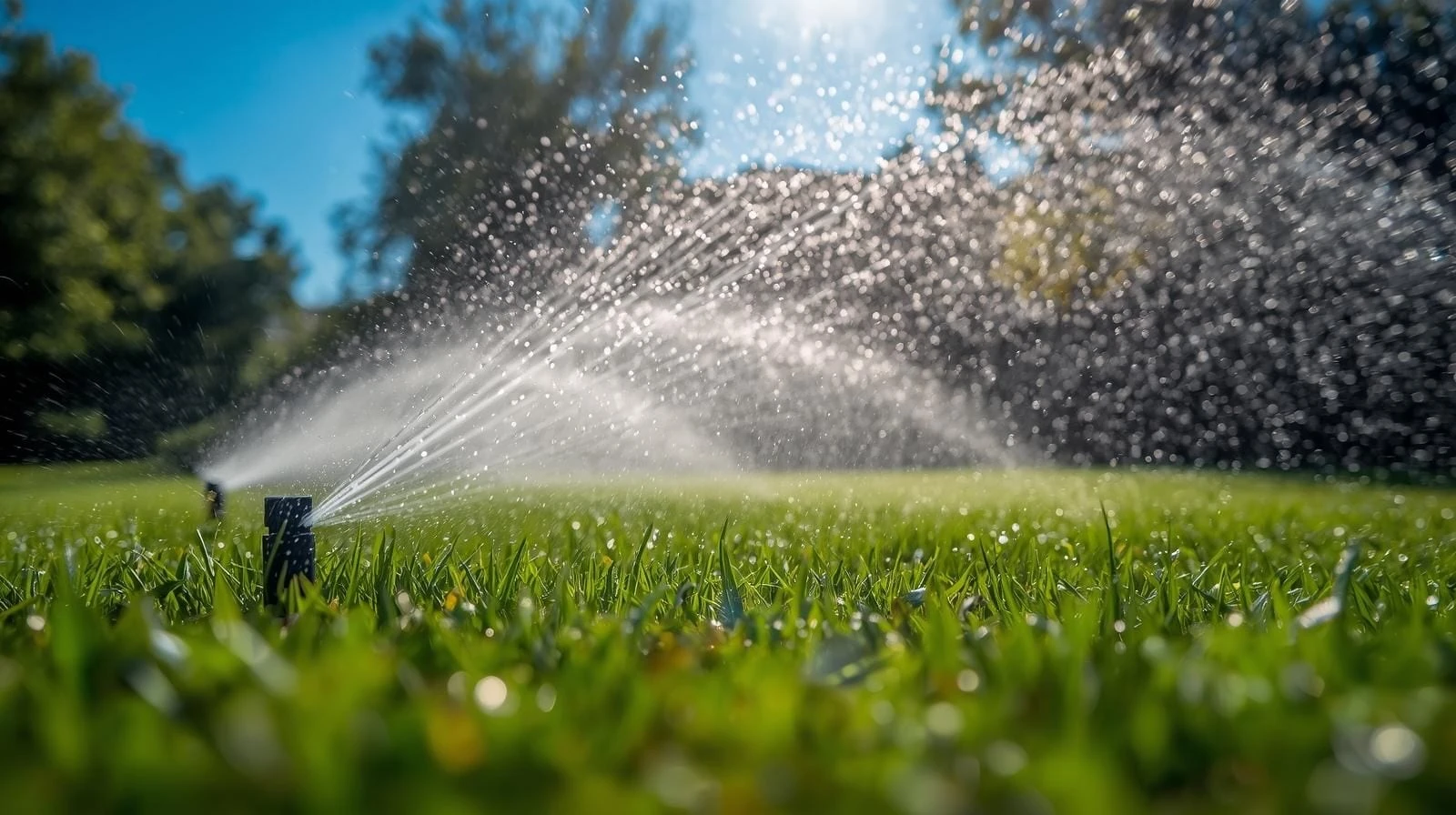
Whether you choose sod or seed, establishment watering is the hinge. Short frequent cycles often help seed stay damp on the surface during germination. Sod usually needs deep enough irrigation to wet the soil below the rolls without leaving standing puddles that suffocate roots. Your existing irrigation startup schedule and head coverage matter here; a dry corner undermines either approach.
If you hand water, mark your calendar and set phone reminders. Skipping even a couple of hot afternoons can set seedlings back or cause sod to shrink at the seams. Once roots anchor, you transition toward deeper less frequent cycles that match mature turf guidance we discuss with fertilization customers during the season.
Soil and grade before you spend on grass
Grass lives in the top few inches of soil. If that layer is thin, rocky, or full of construction leftovers, address it before you invest in sod or seed. Minor grading fixes improve drainage away from structures and keep water from pooling in one zone while another dries out. When drainage is the core issue, our yard drainage work may belong in the conversation ahead of cosmetic turf.
Organic matter and proper finish grade also set the stage for fertilizer programs to perform as expected. Starting clean reduces the temptation to chase symptoms with extra product later.
How this ties to ongoing lawn care
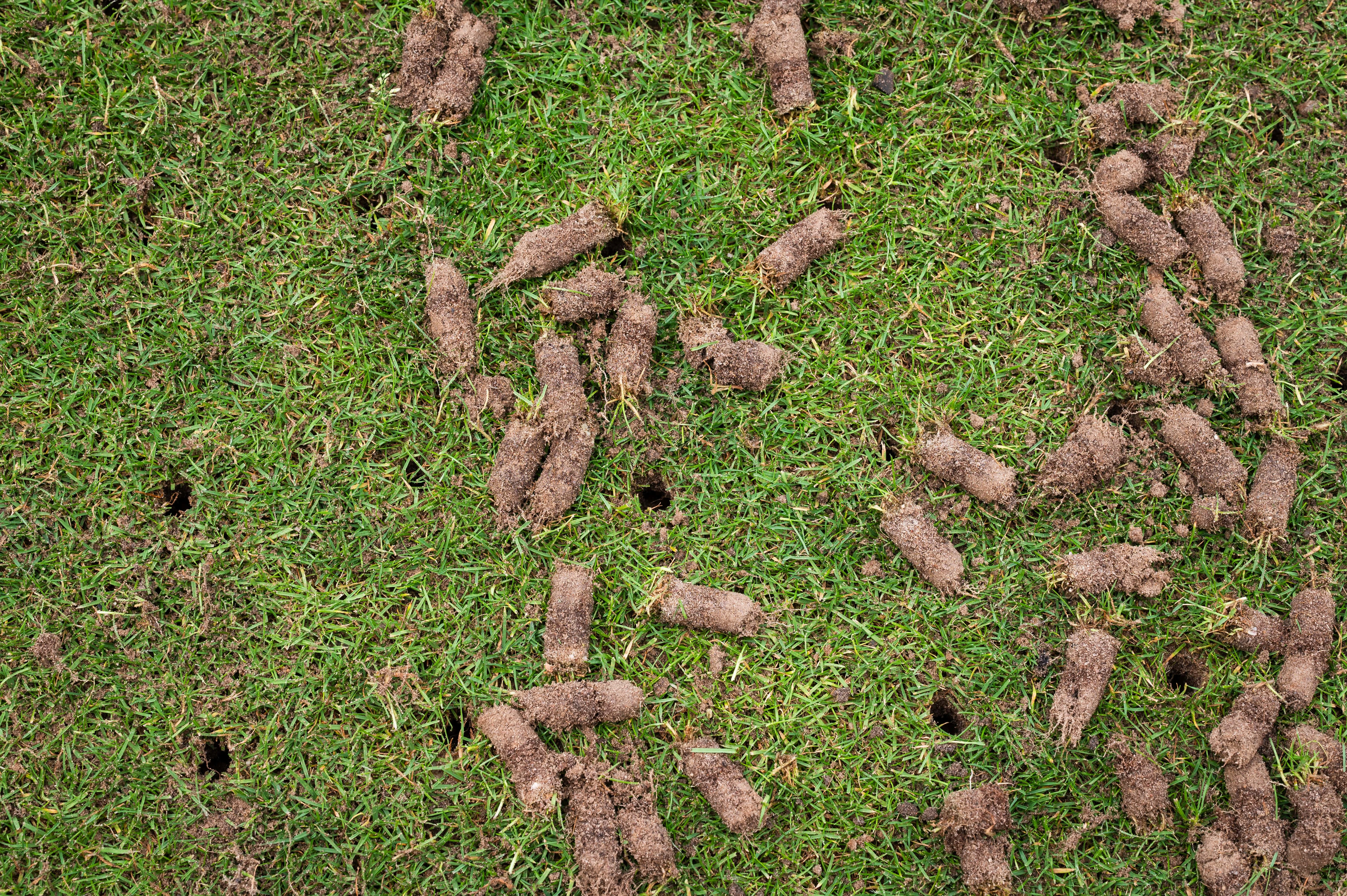
New grass is only the opening chapter. Once establishment finishes, a steady rhythm of mowing height, seasonal feeding, and weed management keeps the repair from reverting to thin spots. If your bare patches trace back to heavy foot traffic or compacted soil, plan for aeration windows and realistic traffic patterns so the problem does not return the next winter.
Neighbors with different sun exposure or irrigation habits can make your area look better or worse by comparison even when you did everything right. Focus on even moisture, sharp mower blades, and not starving new roots with skipped fertilizer visits once our lawn fertilization team sets a schedule for you.
When you are unsure which path fits, contact Weston Landscape & Design. We can look at sun, shade, irrigation coverage, and soil structure, then map sod, seed, or a phased combination that respects your calendar and the way you use the lawn.