Every lawn on the Front Range tells a slightly different story. Some struggle with thin turf and hard soil, others with weeds or summer brownout, and some with damage that shows up after the beetles have already laid eggs. If you have been staring at your yard wondering which lever to pull first, this short quiz is for you.
Below is an example matching exercise based on how we talk about services on our website think of it as a conversation starter, not a diagnosis. Your property might need more than one program, or something we should see in person. When you are ready for that, contact us or call (303) 944-7495.
Answer these three questions
Choose the option that fits best right now. You can retake the quiz any time your yard changes.
Your result
Based on your answers, the first Weston program we would usually talk about is below. Combine programs often make sense; this is a starting point.
Suggested starting point: lawn fertilization program
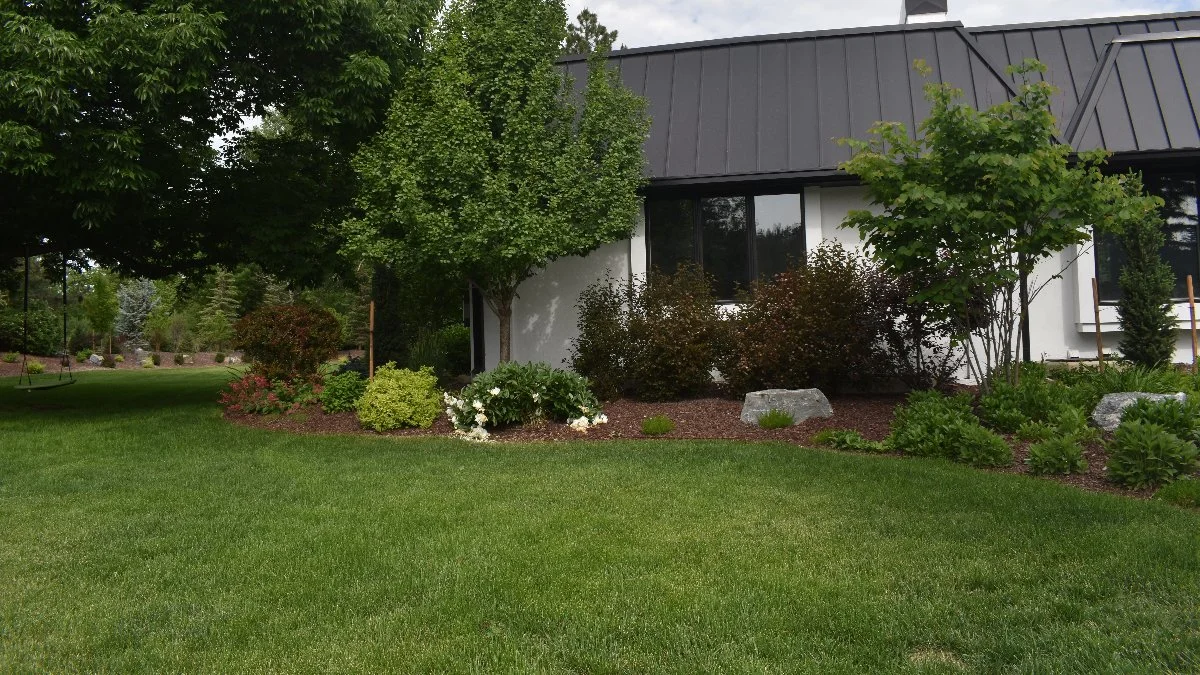
Weed pressure, color that fades between feeds, and the goal of a consistently nourished lawn line up with our lawn fertilization program a multi-visit schedule through the season that includes fertilizer timed for Colorado cool-season grass and broadleaf weed control when appropriate.
If compaction or thin turf is also in the mix, we may pair this with core aeration once we see the yard.
Suggested starting point: core aeration
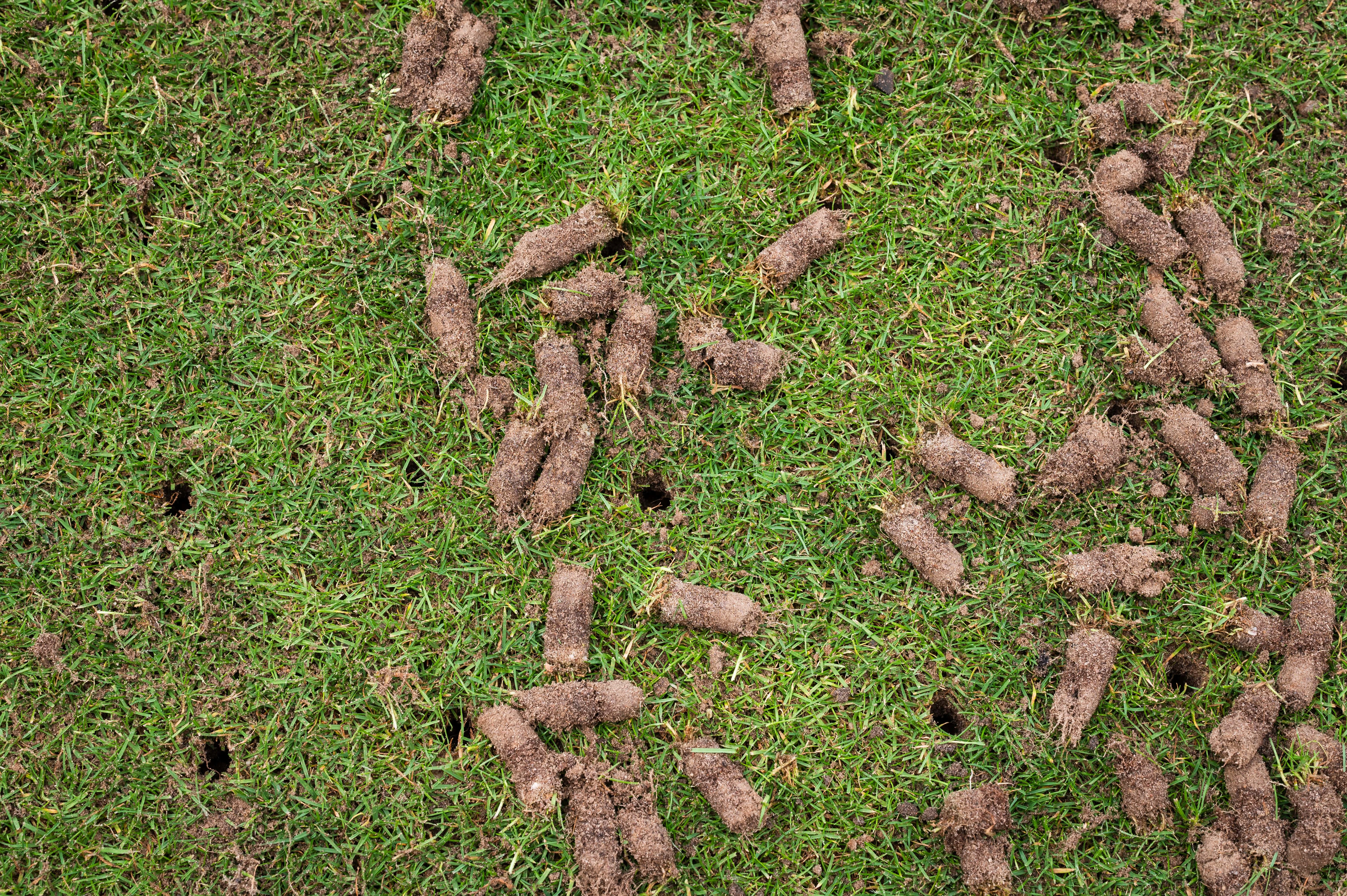
Bare spots, runoff, and the desire for thicker roots often point to soil that needs air and better water movement. Our core aeration service is offered in spring (March April) and fall (October) for Denver-area cool-season lawns, and pairs well with overseeding when the plan calls for it.
Nutrition still matters many customers add lawn fertilization so new growth has something to feed on.
Suggested starting point: irrigation startup and system check
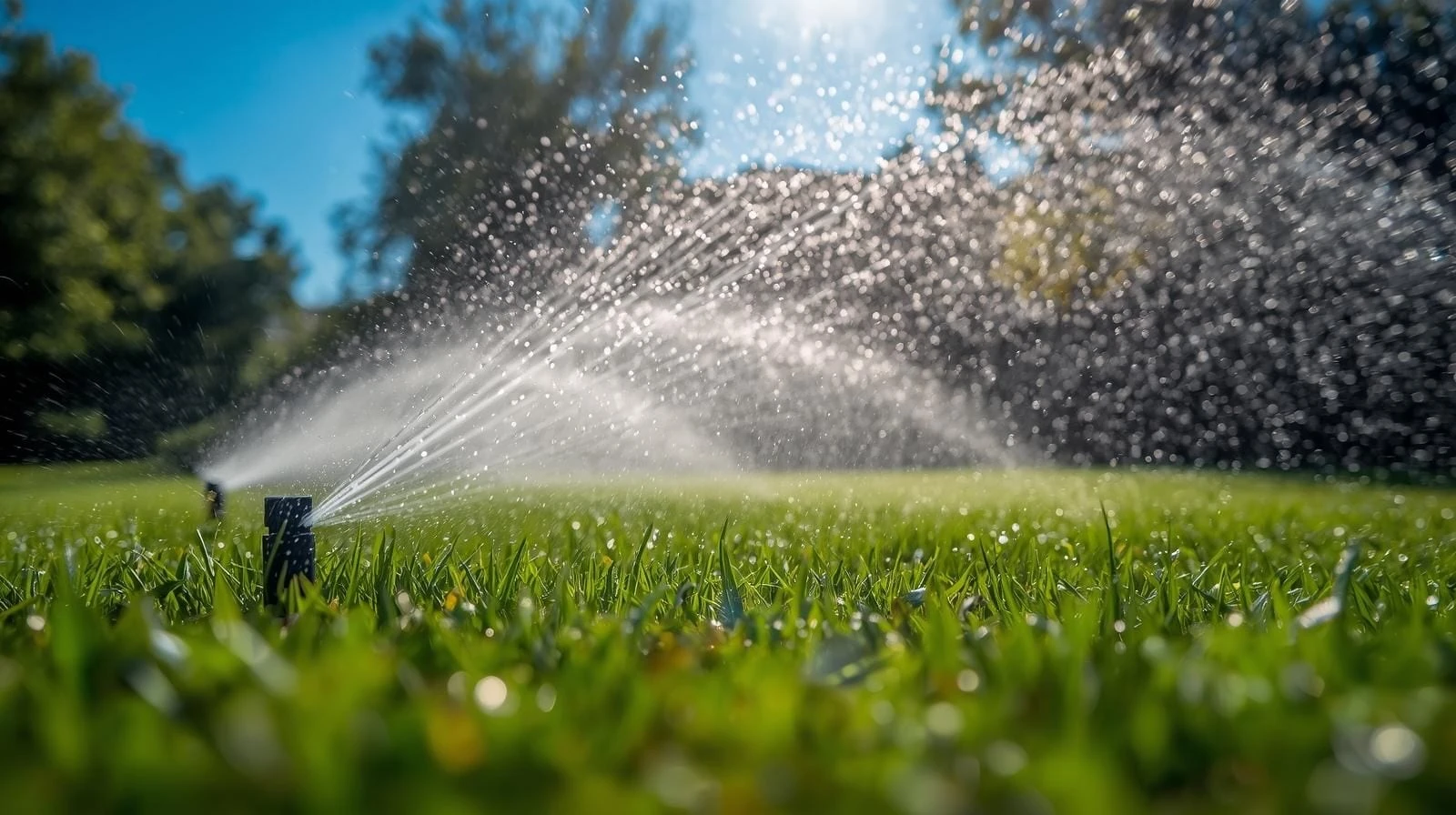
When coverage, timing, or seasonal start-up is the weak link, a professional irrigation startup gets water moving safely after winter: we bring the system online, check for leaks, walk each zone, and outline repairs if something failed over the cold months.
That sets you up to hit the fertilization and mowing season without fighting dry spots or soggy strips.
Suggested starting point: grub control
Loose turf, peeling sod, and digging from raccoons or skunks are classic signs that white grubs may be undercutting roots. Our grub control service focuses on well-timed treatment and, for preventative work, is backed by the warranty described on our lawn care pages.
After pressure drops, recovery may still need fertilization and careful watering something we can fold into a full plan.
Reminder: This quiz is an educational example. Only an on-site look confirms insects, disease, irrigation coverage, or soil issues.
Why we built a quiz instead of a long checklist
Homeowners often know something feels off before they know the label for it. Grouping symptoms into three decisions problem, water habit, and goal mirrors how our team prioritizes what to address first when we pull up to a property in Denver, Littleton, or Highlands Ranch.
If your result pointed to fertilization but you also have an old clock and heads you have not tested since fall, booking irrigation startup the same spring is completely normal. Lawns are systems; the quiz just picks a headline.