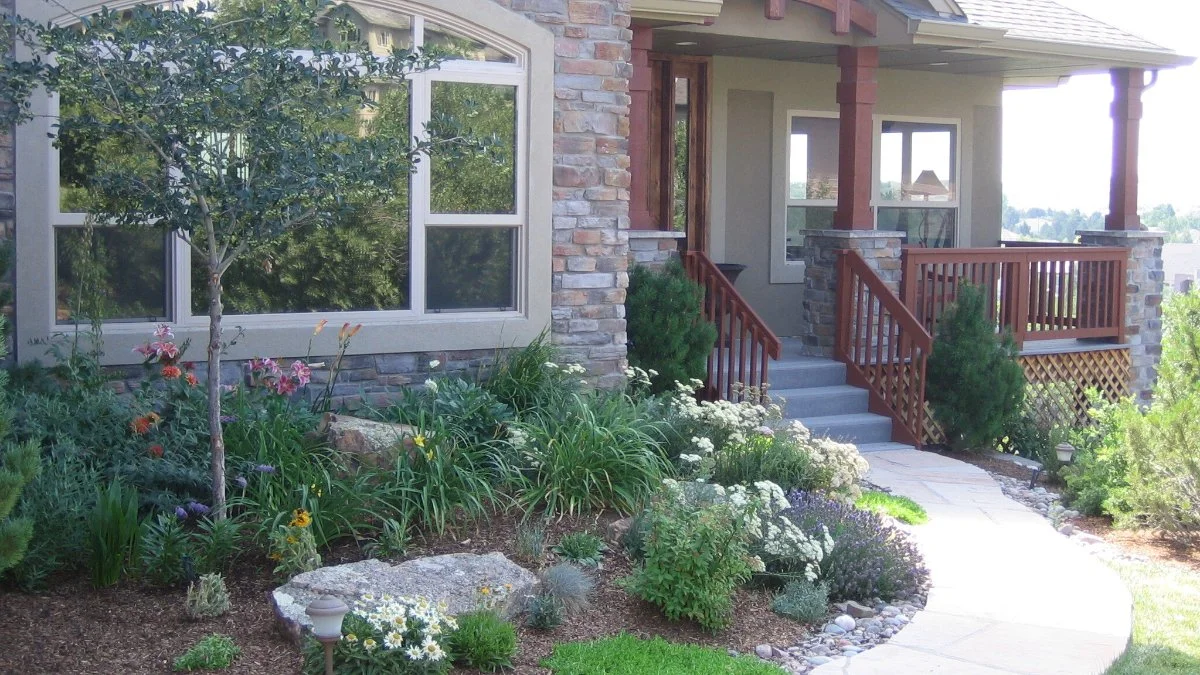
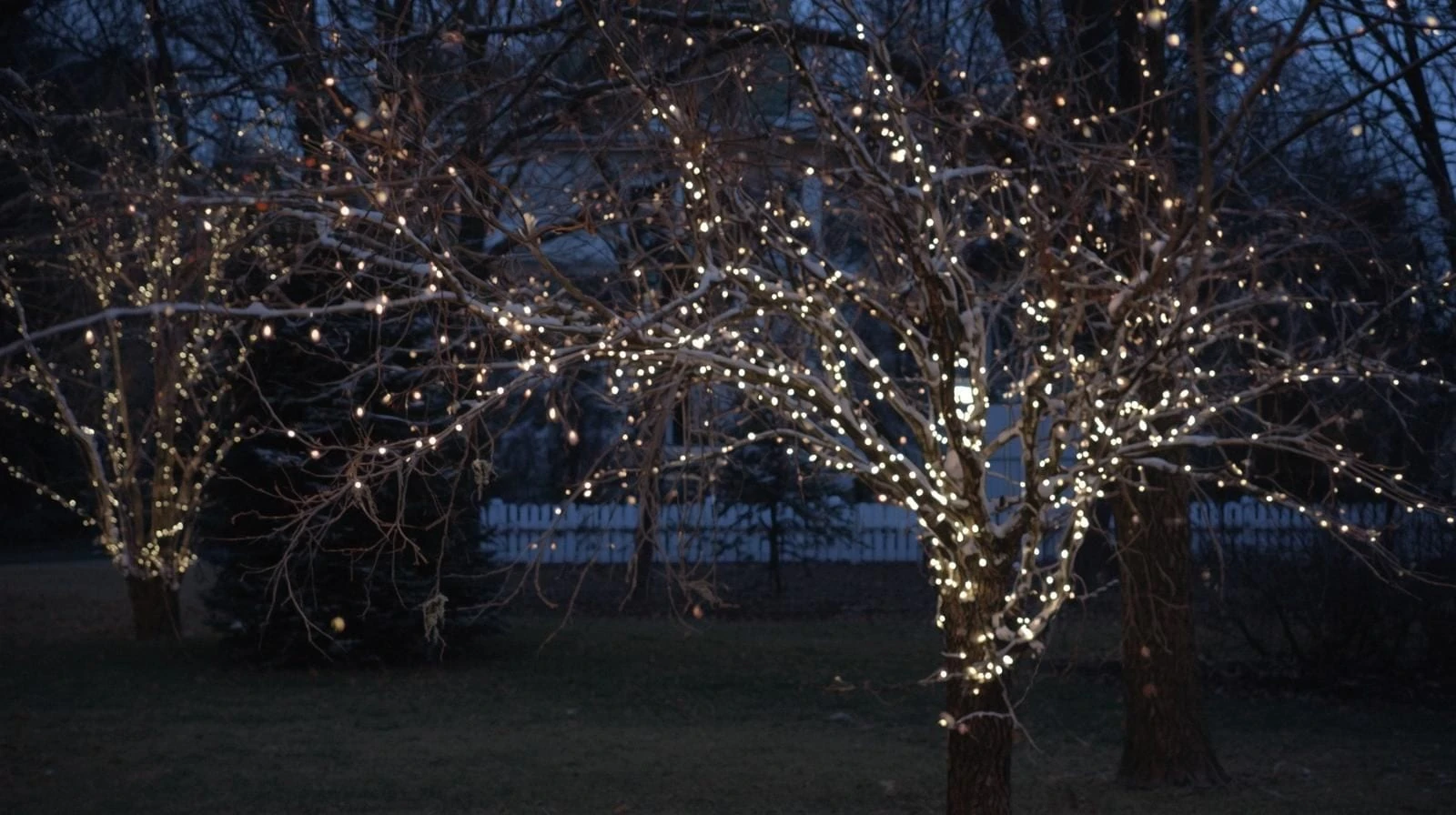
If you've looked up landscaping services in Denver, you've probably noticed the term gets used for almost everything outside your walls. One company means mowing, another means a full patio and planting plan, and another wants to talk irrigation before touching a single shrub. Landscaping services simply means paid outdoor property work, but in practice it breaks into maintenance, design, installation, and seasonal care. Once you sort those buckets, it gets much easier to spend money on the right thing and skip the rest.
Early on, the trick is knowing what kind of help matches your property and your actual problem. In this guide, you’ll get a plain-English breakdown of what different services cover, what Denver properties really need, what affects cost, and how to choose a company without getting buried in vague proposals.
Landscaping services in denver: what that actually covers
“Landscaping services” sounds simple until you start calling around. One yard in Wash Park might need nothing more than mowing and edging. Another property in Highlands Ranch might need grading, new irrigation, privacy trees, a retaining wall, and a place to sit outside without roasting in the afternoon sun.
That’s why the term confuses so many people. It covers both routine care and big transformation work, and those are not the same kind of job.
What you’ll learn here:
- What each service category includes
- What Denver conditions change about your choices
- When lawn care is enough
- When design saves money
- Why irrigation and drainage matter so much
- What drives landscaping costs
- How to choose the right company
- Which service mix fits your property
The main buckets: maintenance, design, installation, and seasonal work
Maintenance is the recurring care that keeps a property looking decent week after week. Think mowing, edging, trimming, bed cleanup, weed control, and routine touch-ups. If the goal is to keep things tidy and healthy, this is the bucket.
Design is the planning stage. That can be as simple as deciding where new beds go, or as detailed as laying out patios, plants, drainage, lighting, and circulation so your yard actually functions. It is the map before the build.
Installation is the physical work. Planting shrubs, laying sod, building garden beds, putting in sprinklers, adding mulch, or constructing a patio all land here. If something is getting built, planted, or replaced, that’s installation.
Seasonal work covers the jobs tied to time of year. Spring cleanups, fall leaf removal, irrigation blowouts, snow removal, and storm recovery all fit here. These jobs may be occasional, but they matter a lot in Denver.
What counts as lawn care versus full landscaping
Lawn care is upkeep. Full landscaping is change.
If your yard already has a layout that works and you just need recurring mowing, edging, fertilization, aeration, and occasional repair, you’re shopping for lawn service. That’s common for smaller homes, straightforward front yards, rental properties, and commercial sites that need a predictable appearance more than a redesign.
Full landscaping comes in when the property itself needs help. Maybe turf keeps dying because sprinkler coverage is bad. Maybe beds are awkward, drainage is poor, and the whole front yard feels tired. Maybe your backyard is just a patch of grass and a fence, and you want something you’ll actually use. That is no longer a mowing problem.
A lot of people overbuy here. If your only headache is keeping grass cut and weeds down, you probably do not need a full-service design-build firm. But if your “maintenance issue” keeps coming back, there’s usually an underlying landscape problem hiding under it.
Outdoor living and hardscaping, in normal language
Hardscaping means the non-plant stuff. Patios, retaining walls, walkways, steps, fire pits, stone borders, seat walls, and built-in outdoor features all count.
Outdoor living is hardscaping with a purpose. It takes a yard from “looks fine through the window” to “you actually use it on a Tuesday night.” A paver patio with room for a table, a walkway that keeps muddy shoes out of the house, or a fire pit area that makes October evenings better all fall into this category.
Here’s the catch: these projects usually need more planning than people expect. Slope, drainage, material choice, access for construction, and sometimes permitting all matter. A patio that looks great for one season but shifts after a freeze-thaw winter is not a bargain.
What denver yards and properties actually need
Denver landscaping is not plug-and-play. Copying a lush Pinterest yard from a totally different climate usually backfires, and it backfires fast.
Your yard sits in a place with intense sun, dry air, clay-heavy soil, hail, wind, sudden temperature swings, winter snow, and water pressure on both budgets and resources. Any landscaping plan that ignores those realities is basically decorative guesswork.
The denver factors that change everything
Sun exposure in Denver hits hard, especially in south- and west-facing areas. A spot that feels manageable in April can bake by July. That changes plant selection, watering schedules, mulch needs, and even where a seating area feels comfortable.
Soil is another big one. Many Denver-area properties deal with dense clay soil that drains poorly when saturated and hardens like brick when dry. Plants struggle in it, turf roots stay shallow, and grading problems get worse. Soil prep matters more here than a lot of quick bids admit.
Then there’s weather. Hail can shred leaves and flowers overnight. Freeze-thaw cycles can shift pavers, crack weak installations, and stress plants that looked fine in late fall. Sudden warm spells in winter followed by deep freezes confuse both lawns and irrigation systems. A landscape that works here has to be tougher than it looks.
Why water-smart landscaping matters here
Water-smart landscaping is not just about being virtuous. It usually means less hassle.
In Denver, thirsty turf across every square foot of a property often turns into higher bills, patchy grass, and constant adjustment. Xeriscaping, which means landscaping designed to use less irrigation, solves a lot of that by focusing on adapted plants, efficient watering, mulch, and better use of space. That doesn’t mean a yard full of gravel and two lonely boulders. It can still feel lush, layered, and finished.
Drip irrigation, reduced turf in low-use areas, deep mulch in beds, and plants that can handle dry stretches all make maintenance easier. You spend less time chasing brown spots and less money watering areas nobody actually uses.
Front range seasonality: what looks easy in june can get rough by january
Denver yards change by season in ways that surprise people. Spring brings cleanup, wind, early growth, and irrigation startups. Summer turns up the heat and exposes weak watering coverage fast. A yard can look perfect in late May, then get scorched by a hot July stretch if one sprinkler zone is off by ten minutes.
Fall sounds simple, but it’s when pruning decisions, leaf removal, plant replacement, and winter prep start stacking up. Then winter brings snow loads, ice, dormant turf, and the need to protect irrigation before a hard freeze.
That rhythm affects service needs more than most people expect. A property that seems low-maintenance in one season may need very different support three months later.
Lawn care services: when you need them and when you Don’t
Lawn care gets lumped into landscaping because it’s visible, frequent, and easy to understand. But lawn care can mean anything from a basic mow-and-blow visit to a full turf recovery plan.
The smart move is matching the service level to the condition of the grass and how much you care about it.
Recurring mowing, edging, and cleanup
Recurring lawn service usually includes mowing, trimming around obstacles, edging along hard surfaces, and blowing clippings off sidewalks and driveways. Some companies bundle light cleanup or weed attention, though the details vary a lot.
This service makes sense if your lawn is mostly healthy and your main issue is time. It’s also useful for rental homes, busy households, office sites, and properties where consistent appearance matters more than perfection.
You may be overbuying if you’re paying for frequent visits but barely have turf, or if your lawn grows slowly in peak summer heat and biweekly service would do the job. You may be underbuying if grass is constantly overgrown, edges disappear, and cleanup slips because the schedule is too thin.
Aeration, fertilization, and weed control
These are the services that improve lawn health rather than just making it look freshly cut.
Aeration means punching small holes in the soil so water, oxygen, and nutrients can reach the roots more easily. In compacted Denver soils, that can make a real difference. If your lawn feels hard underfoot, puddles after watering, or struggles despite regular mowing, aeration is often worth it.
Fertilization supports growth and color, while weed control helps keep aggressive plants from taking over thin or stressed turf. But products alone will not save a lawn with bad irrigation, poor soil, heavy shade, or constant dog traffic. That’s where people waste money, treating symptoms instead of the actual problem.
Sod, seeding, and lawn repair
Patch repair works when the problem is small and the underlying system is sound. A few bare spots from pet wear, one compacted route across the yard, or mild winter damage can often be fixed without rebuilding the whole lawn.
Overseeding helps when turf is thin but salvageable. It thickens the lawn, improves density, and can restore areas worn down by traffic. It works best when soil prep and watering are handled properly, which is the boring part most people want to skip. Don’t skip it.
New sod makes more sense when the lawn is too far gone, the surface is uneven, grading is poor, or you want a fast reset. For new construction homes or heavily used commercial spaces, sod can be the cleanest path to a finished look. But fresh sod on top of bad irrigation is just expensive optimism.
Landscape design: the part that saves you money later
Design sounds fancy until you’ve paid to move a tree, redo a bed, or tear out a patio corner because water keeps flowing toward the house. Then it starts sounding cheap.
This is the measure-twice, cut-once part of landscaping. Even a modest plan can prevent expensive rework.
What a landscape designer actually does
A landscape designer helps you sort out layout, plant choice, circulation, privacy, drainage, and materials before installation starts. In plain terms, that means deciding where you walk, where you sit, where water goes, what blocks the neighbor’s second-story view, and what can survive the site you have.
That may include bed shapes, turf placement, patio size, screening, lighting ideas, irrigation zones, and plant combinations that look good together instead of random. It’s less about making things fancy and more about making the space make sense.
When a simple sketch is enough and when you need a full plan
A simple sketch is often enough for a front bed refresh, a curb appeal cleanup, or a small planting project where the basic structure of the yard already works. If you just want cleaner lines, fresh shrubs, and better color balance, you probably do not need a complex design package.
A full plan makes more sense when multiple systems overlap. Sloped yards, retaining walls, patios, drainage fixes, lighting, privacy screening, and multi-zone backyards all benefit from more detailed planning. Once hardscape and irrigation enter the picture, winging it gets expensive.
Good design in denver means planning for sun, snow, and water
A good Denver landscape plan starts with exposure and water movement, not plant color. South-facing areas dry out faster. North-facing areas may hold snow longer and stay colder. Low spots collect runoff. Wind can shred delicate plants in open areas.
That affects what goes where. A patio with no shade on the hottest side of the yard may barely get used. Shrubs planted too close to snowy walks end up buried in plow piles. A beautiful bed on paper can fail if irrigation doesn’t match the sun load. Good design solves those issues before installation day.
Installation services: plants, beds, sod, and fresh starts
Installation is where the plan turns into a real yard. It includes the plantings and finish details people notice first, but the prep behind those choices matters just as much.
A clean install can transform a property fast. A rushed one can look good for six weeks and then start unraveling.
Planting trees, shrubs, perennials, and privacy screens
Plant installation usually includes layout, spacing, digging, soil preparation, amendments where needed, and initial watering setup. The best planting jobs also account for mature size, root space, visibility, and ongoing maintenance.
Shade trees need room to grow without tangling with structures or crowding turf. Shrubs need spacing that looks a little sparse at first but pays off later. Privacy screens need careful plant choice, because the wrong species can struggle in Denver sun, winter exposure, or narrow side yards.
If your goal is color, low upkeep, shade, or screening, the install should reflect that from the start. A privacy row planted too tightly or with the wrong water needs becomes a headache in slow motion.
Mulch, rock, edging, and garden bed upgrades
These are the smaller jobs that make a yard look pulled together quickly. Fresh mulch, cleaner bed lines, new edging, and selective rock replacement can sharpen curb appeal in a weekend.
Mulch helps moderate soil temperature, retain moisture, and soften the look of beds. Decorative rock lasts longer and can look crisp, but it also reflects heat and can make planting areas harsher in summer. In Denver, the tradeoff is real. Rock can reduce annual refresh costs, while mulch is usually kinder to roots and easier on young plantings.
Edging matters more than people think. Clear borders between lawn, beds, and paths make the whole property look intentional instead of slowly melting into itself.
New sod and complete yard overhauls
A full yard overhaul makes sense when the existing space is neglected, badly graded, worn out, or never worked in the first place. New builds often fall into this category, especially when the starting point is compacted soil, minimal irrigation, and a blank rectangle.
Complete resets may include demolition, grading, drainage correction, irrigation updates, sod, planting beds, hardscape, and finishing materials. That sounds like a lot because it is. But if every visible problem leads back to a hidden system issue, piecemeal fixes can cost more than starting fresh.
Irrigation and drainage: the quiet systems that make everything work
If irrigation and drainage are wrong, the rest of your landscaping is basically a test you keep paying for. Plants fail, lawns struggle, patios settle, and water bills rise while you wonder what went wrong.
These systems are not glamorous. They are still the part that makes everything else work.
Sprinkler installation, repairs, and seasonal tune-ups
Sprinkler work can include brand-new systems, controller setup, zone design, repairs, head replacement, leak detection, pressure adjustments, and seasonal startup or shutdown. For existing yards, tune-ups often deliver more value than people expect.
A broken head spraying the sidewalk, one dry corner of turf, or a zone that runs too long can quietly waste water and stress plants for months. Controller settings matter too, especially in Denver where weather swings can make a fixed schedule go wrong in a hurry.
Seasonal startup checks help catch winter damage early. Shutdown and blowout service protects lines from freezing and cracking when temperatures drop.
Drip irrigation for beds and low-water landscapes
Drip irrigation delivers slow water right where roots need it. Instead of spraying broad areas, it feeds planting beds, shrubs, perennials, and xeric landscapes more precisely.
That makes it a strong fit for low-water design, foundation beds, medians, and areas where overhead spray would be wasteful or messy. Drip is also helpful where mulch or decorative rock covers the soil, because it waters below the surface layer more efficiently.
For many Denver planting beds, drip simply makes more sense than spray heads. Less waste, better targeting, fewer wet sidewalks.
Drainage fixes for pooling, runoff, and grading issues
Drainage problems often show up as symptoms first: soggy lawn patches, mulch washing away, water near the foundation, soil erosion, or ice buildup where it should not be. By then, the problem has usually been there a while.
Fixes may include regrading, swales, downspout extensions, French drains, catch basins, or erosion control. The right solution depends on where the water starts and where it’s supposed to go. If your yard stays wet long after surrounding properties dry out, or water moves toward the house during storms, that deserves attention before cosmetic upgrades.
Hardscaping and outdoor living projects
This is the category that changes how a yard feels. Not just how it looks, but whether you actually spend time in it.
Done right, hardscaping creates usable space. Done badly, it creates a pretty problem.
Patios, walkways, and retaining walls
Patios and walkways need a stable base, smart grading, and materials that can handle freeze-thaw weather. Retaining walls need even more care because they’re managing soil pressure in addition to appearance.
Function matters more than first-glance looks here. A beautiful path that puddles, a patio with no shade or furniture space, or a wall without proper drainage behind it will age badly. Material choices matter too. Concrete, pavers, flagstone, and segmental wall systems all behave differently in cost, maintenance, and repairability.
Fire pits, outdoor kitchens, and gathering spaces
Outdoor living gets appealing fast in Denver because evenings can be excellent even after hot days. But the best projects match your real habits, not an aspirational catalog version of your life.
If you host a few friends and want a place to sit outside in shoulder seasons, a fire pit area or simple patio may be enough. If your yard is the default family gathering spot, then built-in seating, an outdoor kitchen, or multiple zones can make sense. The trick is sizing the project to the way you actually use your home.
Lighting, borders, and the finishing details
Lighting changes more than ambiance. Path lights, step lights, uplighting on trees, and subtle accent lighting make a property safer, easier to navigate, and more polished after dark.
Borders, seat edges, steel or stone bed lines, and other finish details help tie the landscape together once the major work is done. These are the details people often postpone, then realize later they were what made the space feel complete.
Garden maintenance and seasonal cleanup
A nice install is not the finish line. It’s the starting point for ongoing care.
Without maintenance, even well-designed landscapes slowly lose shape. Plants outgrow their space, beds gather debris, mulch thins, and the whole property starts looking more tired than it really is.
Pruning, deadheading, and bed care
Garden maintenance goes beyond grass. It includes pruning shrubs, cutting back perennials, removing spent blooms, shaping growth, cleaning debris from beds, and keeping planting areas presentable.
This kind of care matters because plants are living things, not static decor. Shrubs can swallow windows. Perennials can flop. Beds can turn weedy and uneven surprisingly fast. Regular attention keeps the structure of the landscape intact.
Spring cleanup and fall cleanup
Spring cleanup usually means removing winter debris, cutting back old growth, clearing leaves, preparing beds, checking damage, and getting the landscape ready to grow again. Fall cleanup focuses on leaf removal, bed cleanup, cutbacks where appropriate, and preparing the property for colder weather.
If you’ve ever let a season slide, you know how quickly catch-up work snowballs. Cleanup is especially helpful on larger lots, mature landscapes, and properties with a lot of deciduous trees.
Mulch refresh and plant replacement
Beds fade gradually. Mulch breaks down or blows around. Plants die back, struggle, or just stop fitting the space. Small refreshes can bring everything back without forcing a total redo.
Fresh mulch sharpens appearance immediately. Replacing a few weak plants can fix a bed that otherwise looks tired. This is one of the highest-return landscape services because the visual difference is often bigger than the scope suggests.
Snow removal and winter property care
In Denver, winter property care belongs in the same conversation as landscaping because exterior needs do not stop when grass does.
Snow, ice, and freeze protection are part of year-round site management, especially for busy households, commercial sites, and properties with safety concerns.
Residential snow shoveling and driveway clearing
Residential snow service usually covers sidewalks, entry paths, porches, and driveways after storms. Scheduled service works best if you need reliability, have mobility concerns, travel often, or just don’t want to wake up early to deal with a six-inch surprise.
On-call service can work for lighter needs, but timing may be less predictable. If safe access matters every storm, scheduled help is easier.
Commercial snow removal and ice management
For commercial properties, HOAs, retail sites, and multifamily communities, snow removal is about access and liability as much as convenience. Parking lots, sidewalks, building entries, and common areas need attention fast and consistently.
Ice management adds salting, de-icing products, and response planning so people can move through the property safely. In winter, reliability counts more than marketing language.
Irrigation blowouts and winter prep
Winterization deserves a spot here because frozen irrigation lines can turn into expensive repairs by spring. Blowouts clear water from the system before hard freezes hit, helping protect pipes, valves, and sprinkler heads.
It’s also a good time to prep hose bibs, cover or store vulnerable items, and button up any outdoor systems that don’t belong in freezing weather.
How much landscaping services cost in denver
Price matters, but exact numbers without seeing the property are mostly fiction. A tiny city lot and a sprawling corner property do not live in the same pricing universe.
What helps more is understanding what pushes bids up or down.
What affects pricing the most
Project size is obvious, but access matters almost as much. Tight gates, limited parking, steep grades, or difficult haul routes slow everything down. Materials change price dramatically too. Young shrubs cost less than large screening evergreens, and basic concrete costs less than premium pavers.
Irrigation complexity, plant count, soil prep, demolition, cleanup level, and slope all affect labor. Recurring maintenance is usually priced differently from one-time restoration work because crews can plan around regular visits.
Typical pricing by service type
Mowing and routine lawn care usually sit at the lower end because the work is repeatable and bounded. Cleanups cost more when growth, debris, or leaf volume has been ignored for a while. Aeration, fertilization, and weed programs are mid-range add-ons that support lawn health.
Design fees vary widely depending on whether you need a quick layout or a full plan. Planting projects can stay modest or rise quickly based on plant size and quantity. Sod costs climb when grading or irrigation repair is needed first. Irrigation repair may be fairly small if the issue is a head or valve, or much larger if zones, wiring, or coverage need reworking. Patios, walls, and outdoor living features are usually among the bigger-ticket services. Snow removal depends on trigger depth, site size, and service frequency.
Why the cheapest quote often costs more later
The cheapest landscaping quote usually cuts something you can’t easily see at first. Maybe prep work gets skipped. Maybe drainage gets ignored. Maybe plant sizes are inconsistent, irrigation coverage is guessed, or cleanup is bare minimum.
That bargain can age like cheap winter boots in slush. Fine for a week, then cold, wet, and irritating. Paying a little more for proper base prep, better materials, clear scope, and follow-up service often saves money because you avoid doing the job twice.
How to choose the right landscaping company
Not every landscaping company does every kind of work well. Some are built for weekly maintenance. Some are strong at irrigation. Some excel at design-build projects. Some should not be touching a retaining wall.
Matching the company to the work saves time and frustration.
Match the company to the job
If you need recurring mowing, look for a maintenance-focused provider. If you need sprinkler diagnostics, an irrigation specialist may solve the issue faster. If you want a full backyard redo, design-build experience matters much more than the ability to edge a lawn.
The more technical or permanent the project, the more important specialization becomes.
Questions worth asking before you book
Ask what services are handled directly, what gets subcontracted, what areas are served, and how scheduling works. Ask about insurance, warranties, plant guarantees, cleanup expectations, and who communicates during the job. For larger work, clarity matters more than charm.
You want to know who is responsible for what, when the work happens, and what support exists if something fails.
Red flags that are easy to miss
Vague proposals are a problem. So are complex bids with no site visit, pushy upsells, and timelines that sound magical. Another common red flag is a plan that talks only about visible finishes while ignoring irrigation, grading, or drainage.
If the proposal makes the yard prettier on paper but doesn’t solve why the yard struggles now, be careful.
What to expect during a consultation and estimate
A good consultation should feel useful, not salesy. You should come away with more clarity about the property, the scope, and the tradeoffs.
The process goes better when both sides show up prepared.
What a landscaper should ask you
Expect questions about goals, budget range, pain points, maintenance preferences, water use priorities, and how you want to use the space day to day. If nobody asks how much upkeep you actually want, that’s a bad sign.
The same goes for questions about drainage, irrigation history, pet use, kids, sun exposure, or HOA rules. Those details shape the job.
What you should have ready
Photos, rough measurements, inspiration images, property rules, and a short list of must-haves make estimates more useful. It also helps to know what annoys you most right now. Brown turf? No privacy? Water pooling by the walkway? Not enough room to sit outside?
Specific complaints are more helpful than broad goals like “make it nicer.”
What a useful proposal looks like
A useful proposal spells out scope, materials, timeline, exclusions, payment schedule, and what happens after installation or service begins. You should be able to tell what is included, what is not, and what ongoing care is expected.
If the estimate feels fuzzy, the job probably will too.
The best service mix for different denver properties
Most properties do not need every landscaping service. The better approach is mixing the right few based on how the site gets used.
That’s where things start feeling manageable.
If you own a home and want less upkeep
Lower-maintenance homes usually benefit from reduced turf, drip irrigation, mulch or rock beds, tough plantings, and seasonal cleanup support. Xeriscaping works especially well when large lawn areas are mostly decorative and rarely used.
Keep grass only where it earns its place, like a play area or a usable patch off the patio.
If you want better curb appeal before selling
For resale, skip the fantasy renovation. Focus on cleanup, fresh mulch, bed definition, pruning, irrigation fixes, and a small amount of strategic planting. Those changes photograph well and improve first impressions without overbuilding the yard.
A crisp front entry and healthy-looking landscape usually beat an expensive backyard feature buyers may not value.
If you manage a commercial property, HOA, or multifamily site
These properties need consistency more than flair. Recurring maintenance, irrigation management, seasonal cleanup, and snow removal usually form the core service mix. Safety, access, and predictable scheduling matter every bit as much as appearance.
The goal is a property that looks cared for across all seasons without constant chasing.
A simple way to decide what you need first
It’s easy to get distracted by what looks exciting. A patio rendering is more fun than talking about drainage. New plants are nicer to shop for than leak checks.
Still, the right order is simple: fix function first, then maintenance gaps, then upgrades.
Start with problems that can damage the property
Drainage issues, irrigation leaks, unsafe walkways, failing walls, dead trees, and snow or ice hazards go first. Anything that risks the structure, safety, or long-term health of the property belongs at the top of the list.
Pretty upgrades can wait a little. Water moving toward the foundation should not.
Next, handle recurring maintenance gaps
Once the systems work, clean up the things that keep making the property feel neglected. Overgrown beds, patchy turf, missed pruning, and worn mulch are much easier to solve when irrigation and drainage are no longer fighting you.
This is usually where the space starts looking better fast.
Then add the upgrades you’ll actually use
After the basics are handled, add the features that improve daily life: lighting, privacy planting, a seating area, a patio extension, or a design refresh that makes the yard easier to enjoy.
Try one simple first step: walk your property and make a short list of what feels broken, what feels annoying, and what would make the space easier to use. That short list is usually more useful than hours of scrolling for ideas.
- Disclaimer: This article is for general informational purposes only. It is not professional advice, a quote, or a service agreement. Conditions at your home or property may differ; contact a qualified professional for an on-site evaluation before making repair, safety, or spending decisions.
Disclaimer: This article is for general informational purposes only. It is not professional advice, a quote, or a service agreement. Conditions at your home or property may differ; contact a qualified professional for an on-site evaluation before making repair, safety, or spending decisions.