Pergola Post Footings in Expansive Soil
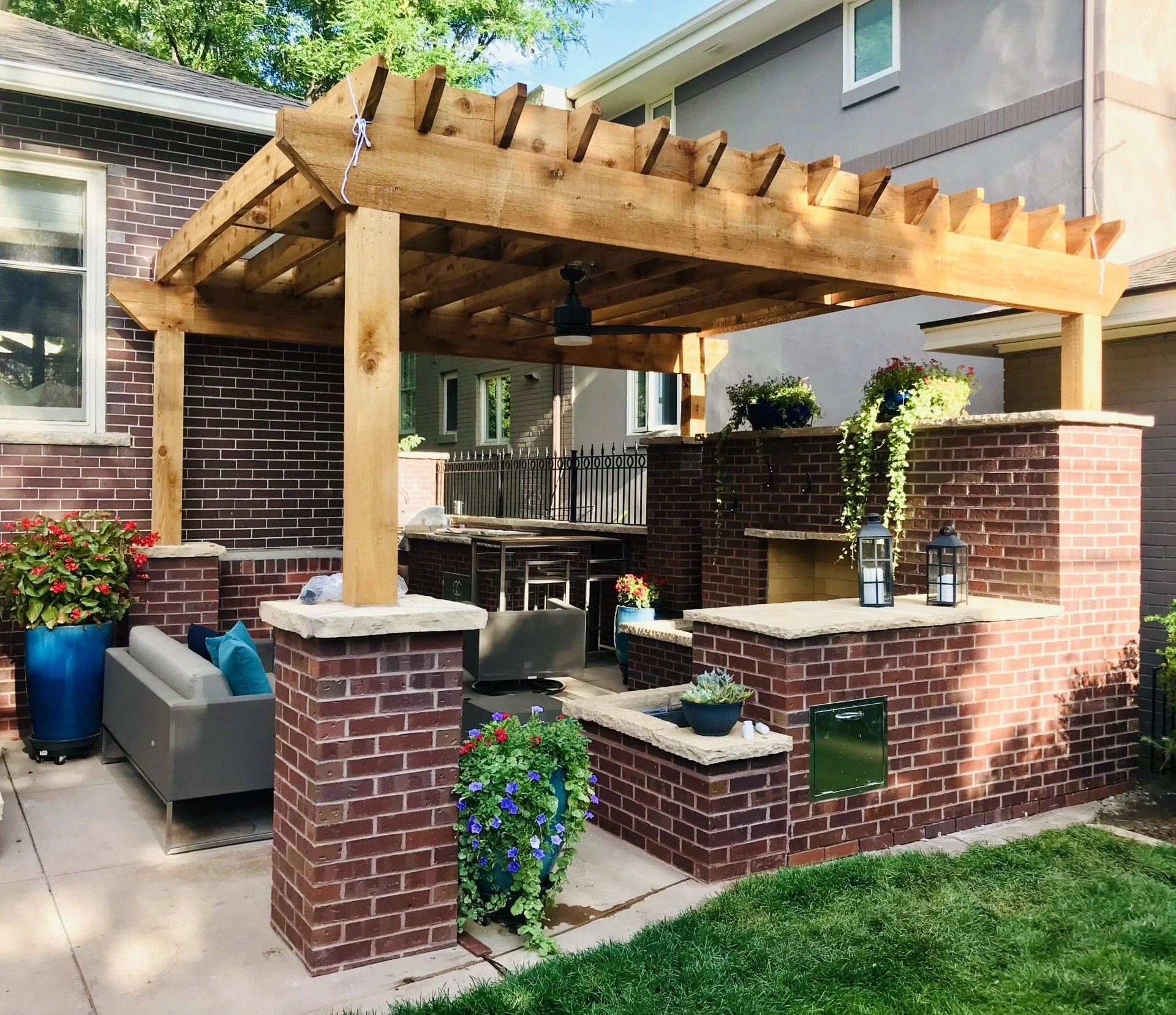
A pergola can feel rock solid at handover and show twist at connections after a wet fall on expansive clay. Post footings designed for generic soil tables may not match local plasticity.
Open pergola roof members catch gusts from Chinook events and summer thunderstorms. Lateral load at post bases combines with heave to loosen hidden anchor bolts on raised decks and patio slabs.
Expansive clay behavior on the Front Range
Clay with high shrink swell potential changes volume with moisture content. Dry summers open gaps at post skirts; wet springs lift embedded bases.
Soil maps and local experience guide footing depth below active zone when possible. Generic twenty four inch depth may be insufficient where frost and swell overlap.
Percolation tests and plasticity index from lab samples reduce guesswork on custom footings, especially on cut and fill lots in foothill transitions.
Footing type and uplift resistance
Surface mounted post bases on existing patios transfer load through compression and anchor shear. Expansion anchors in thin concrete caps can fail when slab edges crack from heave.
Buried concrete piers with rebar cages handle uplift better when tied to appropriate depth. Diameter and bell shape affect pullout resistance in clay more than in sand.
Helical piles are an option where excavation is tight, but torque to capacity must be recorded. Assumed capacity without field log leaves uncertainty on windy sites.
Connection hardware and wood movement
Post to beam hardware should allow controlled wood shrink without loosening critical bolts. Seasonal dimensional change in large timbers works connectors loose if maintenance is ignored.
Corrosion at base plates accelerates when deicing salts wash from nearby walks onto patio footings. Hardware grade should match exposure.
Cantilevered rafter tails add eccentric load that twists posts when wind gusts hit open ends. Bracing plans belong in the structural conversation, not only in finish carpentry.
Integration with patio and drainage
Footings poured inside future paver fields need elevation control so caps finish flush without bridging voids. Voids under pavers beside posts telegraph as rocking that mimics footing failure.
Drainage toward post pits can saturate clay and increase swell pressure against concrete. French drains or surface swales may be needed upslope of pergola rows.
Irrigation spray on post bases keeps soil moisture high all season. Drip conversion at bed edges may stabilize swell amplitude near footings.
Permitting and wind design assumptions
Residential pergolas sometimes skip engineering when spans are modest. Open frames still see meaningful uplift when vortex shedding aligns with gusts.
Snow load is a secondary but real factor on louvered or solid roof kits attached to the same posts. Mixed kit and custom timber may load connections unevenly.
Permit records and manufacturer wind ratings help after sale when movement appears. Without records, forensics rely on field measurement and soil moisture logs.
Remediation paths
Tightening bolts without addressing footing movement provides temporary relief at best. Lift tests and plumb checks should guide whether pier enlargement or new depth is required.
Adding diagonal bracing can reduce twist while soil moisture management catches up. Bracing is not a substitute for undersized footings on high swell soils.
A remediation scope should state target plumb tolerance, moisture control measures, and hardware replacement specs so pergola use stays safe through Denver seasonal swings.
Front Range freeze thaw cycles, afternoon hail, and clay subgrade change how the same material behaves year to year on Denver metro lots. Document grade, drainage outlets, and moisture probes before you label a symptom as product failure alone.
Front Range freeze thaw cycles, afternoon hail, and clay subgrade change how the same material behaves year to year on Denver metro lots. Document grade, drainage outlets, and moisture probes before you label a symptom as product failure alone.
Front Range freeze thaw cycles, afternoon hail, and clay subgrade change how the same material behaves year to year on Denver metro lots. Document grade, drainage outlets, and moisture probes before you label a symptom as product failure alone.
Front Range freeze thaw cycles, afternoon hail, and clay subgrade change how the same material behaves year to year on Denver metro lots. Document grade, drainage outlets, and moisture probes before you label a symptom as product failure alone.
- Disclaimer: This article is for general informational purposes only. It is not professional advice, a quote, or a service agreement. Conditions at your home or property may differ; contact a qualified professional for an on-site evaluation before making repair, safety, or spending decisions.
Disclaimer: This article is for general informational purposes only. It is not professional advice, a quote, or a service agreement. Conditions at your home or property may differ; contact a qualified professional for an on-site evaluation before making repair, safety, or spending decisions.