
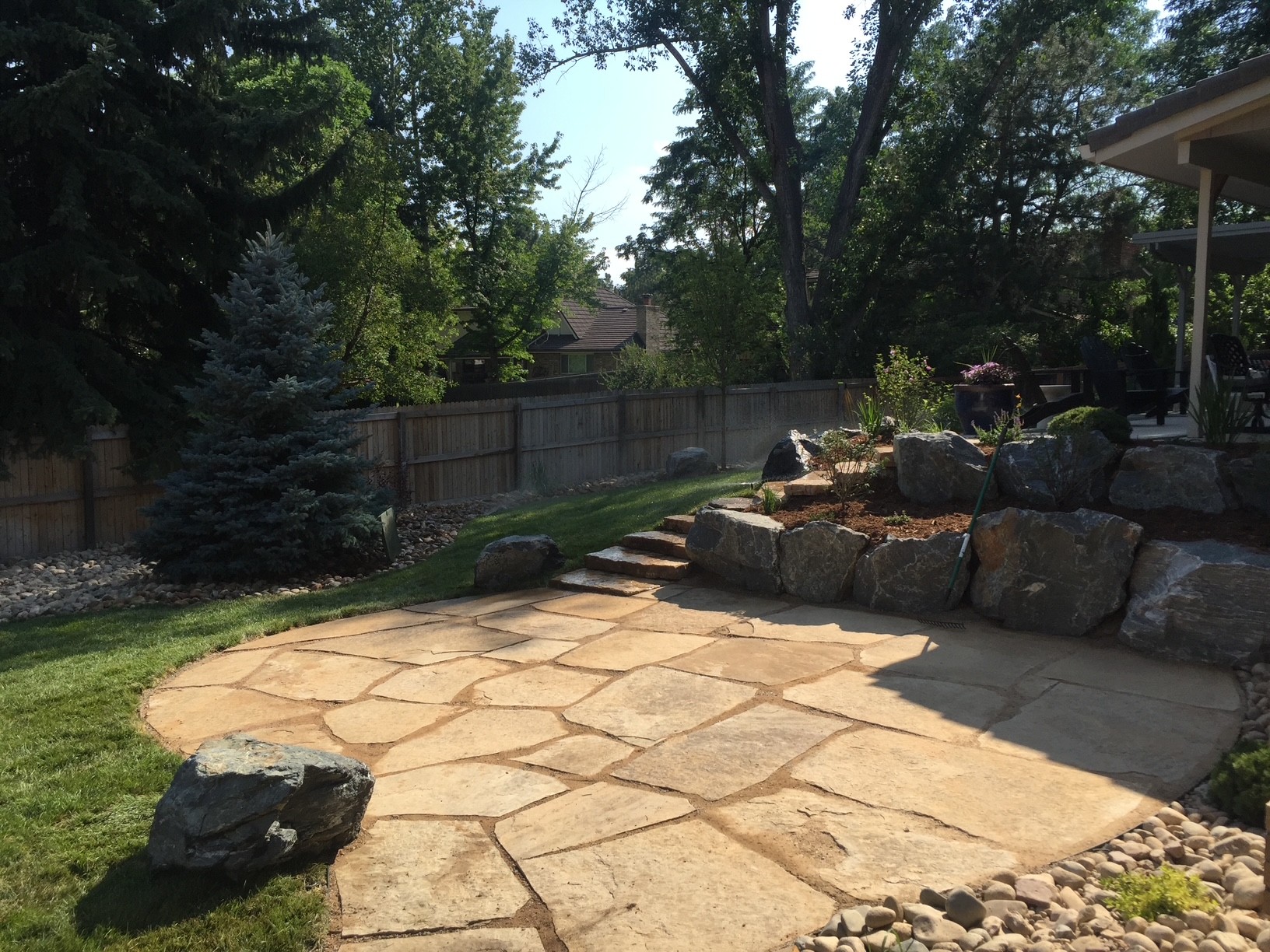
Sustained heat across the Denver metro changes what the irrigation clock should do even when the lawn still looks green from the street. Spring runtimes that matched cool nights now overlap with travel weeks, house sitters, and guest weekends that stack on the same cool season panels. Front Range clay and reflected heat beside south walls add another layer: water sits in swales after storms, then bakes hard beside patios while controllers still run profiles written for a wetter season. This article is about that handoff, not a generic national watering chart.
Weston Landscape & Design serves irrigation, lawn, beds, and outdoor living across the metro. Pair this read with south walls and reflected heat on sprinklers when wall strips need naming before you leave, and with first sustained heat and irrigation honesty for heat season walks at home before departure.
Why spring minutes fail once heat and travel overlap
Cool season turf often keeps color while roots work harder below the canopy. Controllers programmed for spring can deliver too much in low bowls and too little on reflected heat beside pool decks, garage walls, and stone paths. Walk zones in morning light before you edit the whole schedule. Note which stripes fold beside walls versus which corners stay spongy after a normal cycle.
Read when to start watering your lawn in Denver for baseline habits, then adjust one exposure class at a time. Global fixes usually overwater shade and starve south strips that radiate heat. Service context lives in professional irrigation startups when heads and pressure were never verified after winter.
Handoff notes sitters actually use
Travel weeks fail when instructions assume everyone reads the controller manual. Write which zones should skip after rain, which heads were recently adjusted, and where dogs or guests concentrate traffic. Photograph the controller screen, one dry south strip, and one wet corner. Leave a hose policy: hand watering a container bed is not the same as adding a full cycle on turf.
Name zones by location: front south strip, backyard shade, patio return, open west face. State the rule: edit one zone, wait forty eight hours, read the strip, then touch the next. Controllers get changed from memory while you travel. Plain notes beat assumptions.
Mosquitoes and standing water do not pause when you travel. Ask sitters to empty saucers, wipe grill drips, and report puddles that persist beside walks. Read simple ways to keep pests out of your yard and consider mosquito control when evening use continues while you are away.
Splitting zones by sun, shade, and hardscape reflection
Shady north turf and south wall strips fail for different reasons on the same address. Reflected heat from siding and patio stone creates margins that brown first while open turf still photographs well. Split decisions by zone in handoff notes instead of one global fix. Raise mowing height on stressed edges before you add minutes everywhere.
Our spring irrigation startup guide defines what should already be verified on heads and pressure. If startup was skipped, book service before you stack mulch or fertilizer on dry soil. Highlands Ranch landscape and irrigation guide applies when HOA sight lines and wind exposure share one clock.
Skip weeks and rain sensor honesty before departure
Front Range storms can deliver more water in an afternoon than a week of cycles. Rain sensors and smart skips only help when caps are clear and batteries are fresh. Check hardware during the same walk where you note clogged heads and misaimed nozzles. A sensor stuck open wastes water. One stuck closed floods low corners on clay.
Pair soggy bowls with fixing drainage and standing water when drainage edits belong beside irrigation tweaks. Review south wall notes from south walls and reflected heat on sprinklers when dry wedges and wet swales share one valve in sitter instructions.
Guest weekends without doubling runtime while you travel
Guest pressure often tempts longer cycles before parties. Extra water on clay that already holds moisture favors fungus on crowns while insects keep feeding below. Tell sitters to mow on schedule, skip when soil squishs, and fix border height on fence lines before they chase color with the clock alone.
Read school wind down and outdoor comfort when evening use continues during your travel window. Steady lawn mowing keeps turf presentable for barefoot traffic without scalping stressed arcs before a gathering.
When color and thickness lag after water is honest, lawn fertilization on a program beats panic products applied to dry soil. Wait for your return week walk before heavy feed on south strips that still need aim, not product.
Beds, mulch, and the frame sitters notice first
Sitters and neighbors often notice bed edges and walks before they notice center turf. Mulch installation and garden maintenance keep edges intentional when the lawn is still catching up. See choosing the right mulch when bark looks tired beside gates.
String lights and path fixtures change how people move after dark. Mark where new wire crosses sprinkler routes in handoff notes before sitters blame brown corners on thirst alone. Outdoor lighting and irrigation conflicts still matters when fixtures and heads share tight side yards.
Return week walk before you rewrite the clock
Plan one honest dusk walk the day you return before you edit every zone from a single curb view. Compare sitter photos to what you see after one full cycle. Note which south strips folded, which swales stayed spongy, and whether skip days behaved as expected.
Compaction shows up on lots with heavy clay and concentrated foot paths. Core aeration in the proper season pairs with irrigation fixes so water soaks instead of running off. If turf lifts like carpet, review grub damage signs and grub control when history supports it.
Photos of stressed zones, valve boxes, controller screens, and bed edges speed scheduling more than a long email. Mention return dates and hosting calendars when you contact Weston Landscape & Design in Littleton, Centennial, or across the metro.
Coordinating Weston visits on one roadmap
We also serve Lone Tree and nearby Douglas County communities with the same exposure aware habits. When irrigation, lawn, beds, and outdoor comfort belong on one plan, tell us where heads were adjusted, where fence grass stayed tall, and which downspout still splashes toward the stem wall before you leave.
Travel week handoffs are ordinary Front Range work. Honest skips, split zones, and perimeter notes beat panic runtime after a single hot afternoon while you are away. Repeat the same walk after the next storm. Habits that take twenty minutes prevent the Friday scramble before guests arrive or before you rewrite the schedule from memory mid trip.
Write which zones you skipped after rain so house sitters start from facts instead of memory when color looks uneven. Controller batteries and rain sensor caps deserve a glance even when no zone looks dramatic yet. Small hardware faults become loud problems once peak heat removes the margin for error.
Evening walks after travel often reveal deferred border trims and saucers that refilled while you were away. Treat those patterns as evidence, not annoyances, and fix water before you buy more comfort products that fight biology alone.
.jpg)
.jpg)